Product Description
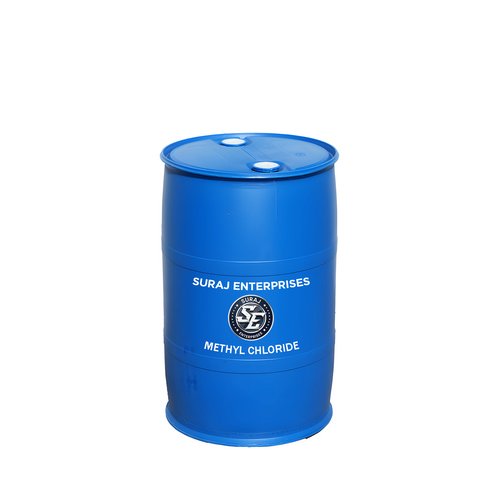
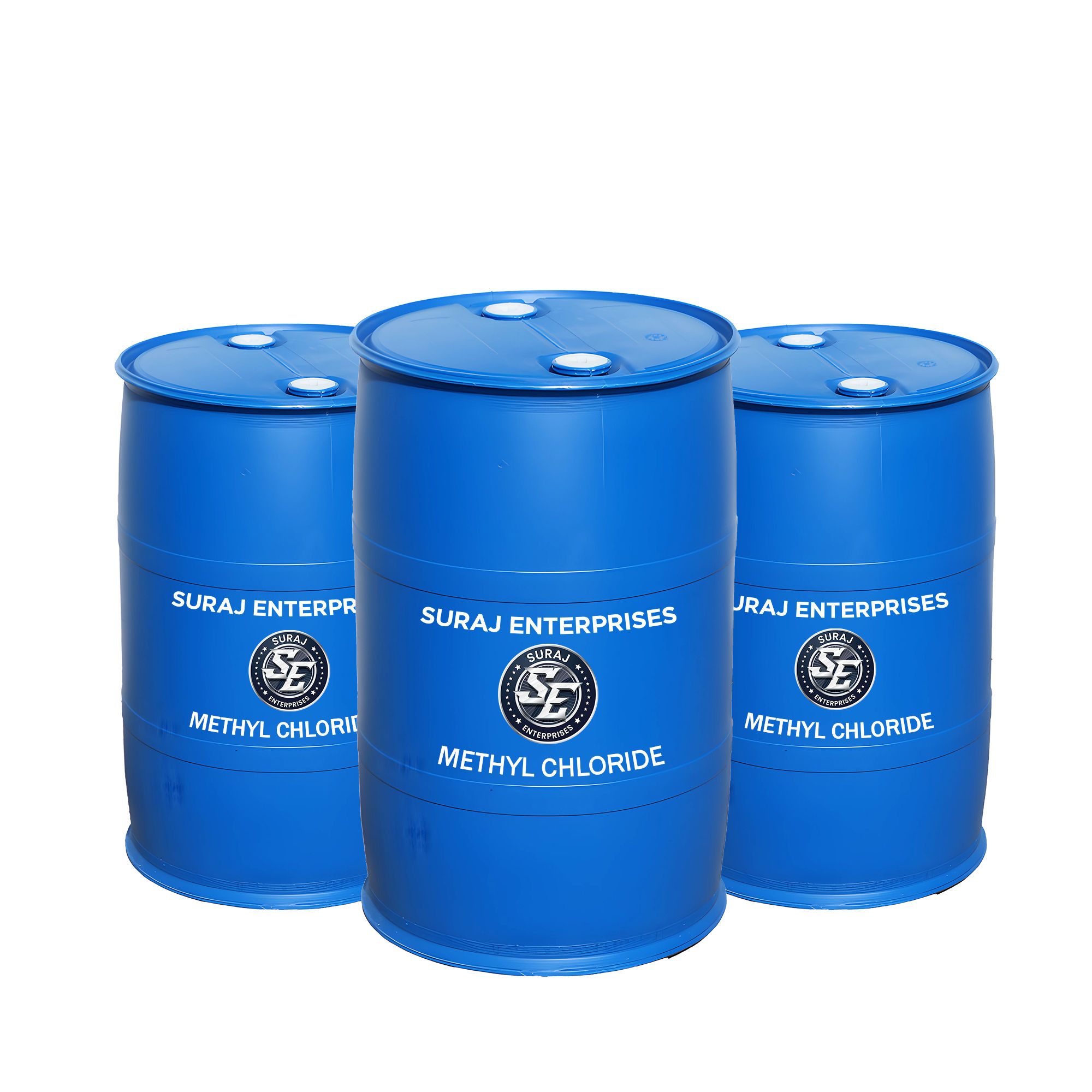
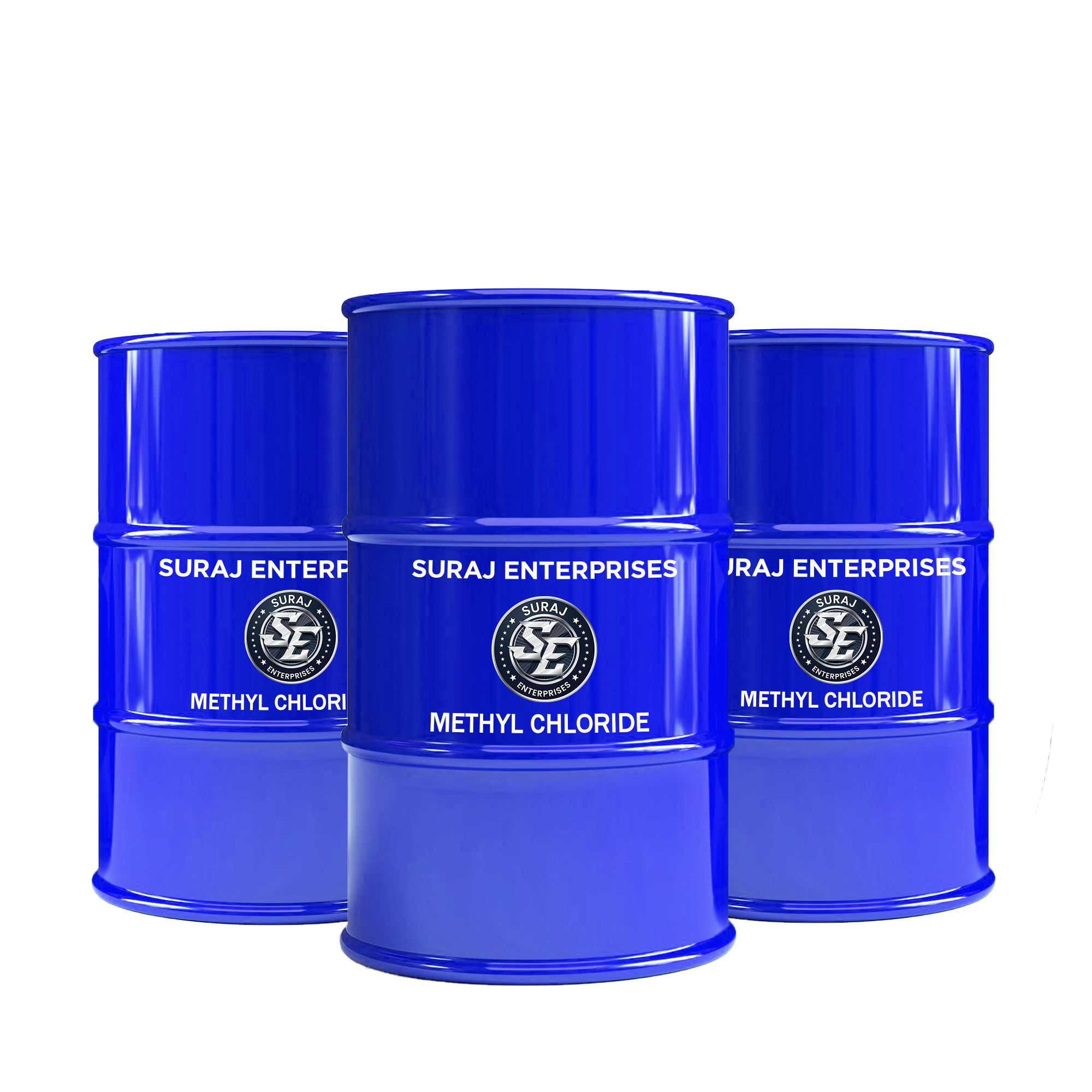
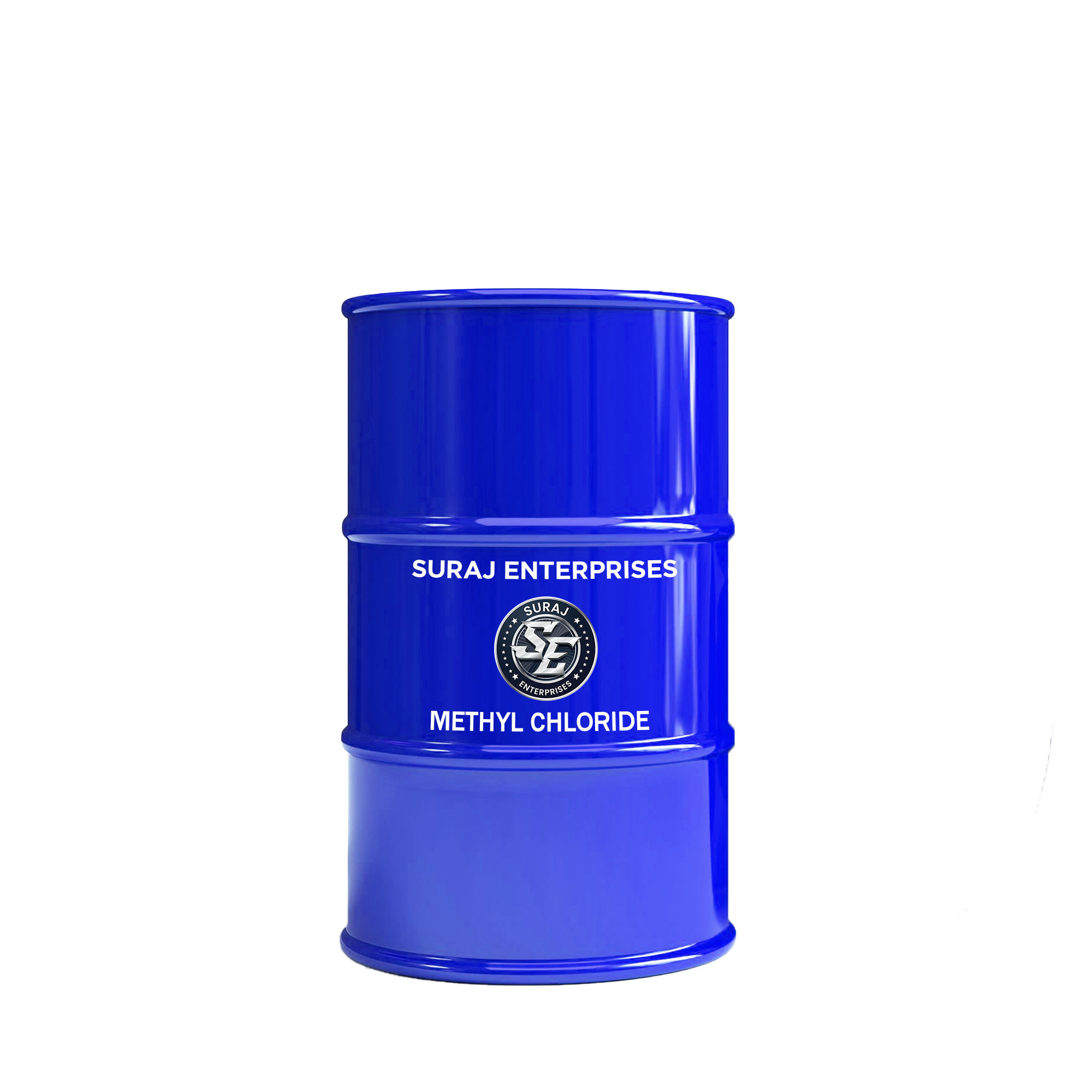
Methyl Chloride, also known as chloromethane, is a colorless gas or liquid with a sweet odor. It is primarily used as a chemical intermediate in the production of silicone polymers, methyl cellulose, and other organic compounds. Methyl Chloride is also employed as a solvent in various industrial processes, particularly in the manufacture of pharmaceuticals, agrochemicals, and refrigerants. Additionally, it serves as a methylating agent in organic synthesis and as a refrigerant in some refrigeration systems. While slightly soluble in water, Methyl Chloride is highly volatile and flammable, requiring careful handling and storage. Its versatility and widespread use in organic synthesis make it an important chemical in the chemical industryVersatile Industrial ApplicationsMethyl Dichloride is widely utilized as a solvent in chemical synthesis, cleaning, degreasing, and paint removal. Its powerful solvency, high purity, and rapid evaporation rate make it indispensable in manufacturing sectors, laboratories, and extraction processes.
Safe Storage and HandlingStore Methyl Dichloride in tightly closed containers made of plastic or steel, situated in cool, well-ventilated areas. Proper storage ensures product longevity (up to 12 months) and minimizes risk, as this chemical is harmful if inhaled or comes into contact with skin or eyes.
FAQ's of METHYL DICHLORIDE:
Q: How should Methyl Dichloride be stored safely?
A: Methyl Dichloride should be stored in tightly closed plastic or steel drums or ISO tanks in a cool, well-ventilated area. Avoid storing near sources of ignition or in direct sunlight, and always keep containers sealed when not in use to preserve product quality and limit exposure.
Q: What are the main industrial uses of Methyl Dichloride?
A: Methyl Dichloride is commonly used as a solvent in chemical synthesis, degreasing operations, paint removers, extraction processes, and laboratory applications. Its strong solvency and rapid evaporation make it suitable for cleaning and formulation in various industries.
Q: When is Methyl Dichloride considered hazardous during use?
A: Methyl Dichloride is hazardous if its vapors are inhaled or if it comes into contact with skin or eyes, potentially causing irritation or harm. Always use appropriate personal protective equipment and ensure good ventilation during handling to prevent exposure.
Q: Where can Methyl Dichloride be transported according to regulations?
A: Transport of Methyl Dichloride must comply with international guidelines, as it is designated a Class 6.1 Poison under UN Number 1593. It should only be shipped in approved containers and by licensed carriers trained in handling hazardous chemicals.
Q: What is the recommended process for disposing of Methyl Dichloride?
A: Dispose of Methyl Dichloride through licensed hazardous waste facilities in accordance with local, state, and national environmental regulations. Do not pour it down drains or mix with incompatible substances to avoid environmental contamination.
Q: How does the high evaporation rate of Methyl Dichloride benefit industrial processes?
A: Its very high evaporation rate allows for rapid drying and residue-free application, making it highly efficient in degreasing, cleaning, and paint removal operations where quick turnover is essential.
Q: What are the advantages of using high-purity Methyl Dichloride (99% Min)?
A: High-purity Methyl Dichloride ensures more efficient chemical reactions, improved extraction yields, and minimized impurities in end products, making it a preferred choice for both industrial and laboratory use.








 Send Inquiry
 Send Inquiry
 Send SMS


 English
 Spanish
 French
 German
 Italian
 Chinese (Simplified)
 Japanese
 Korean
 Arabic
 Portuguese