Product Description
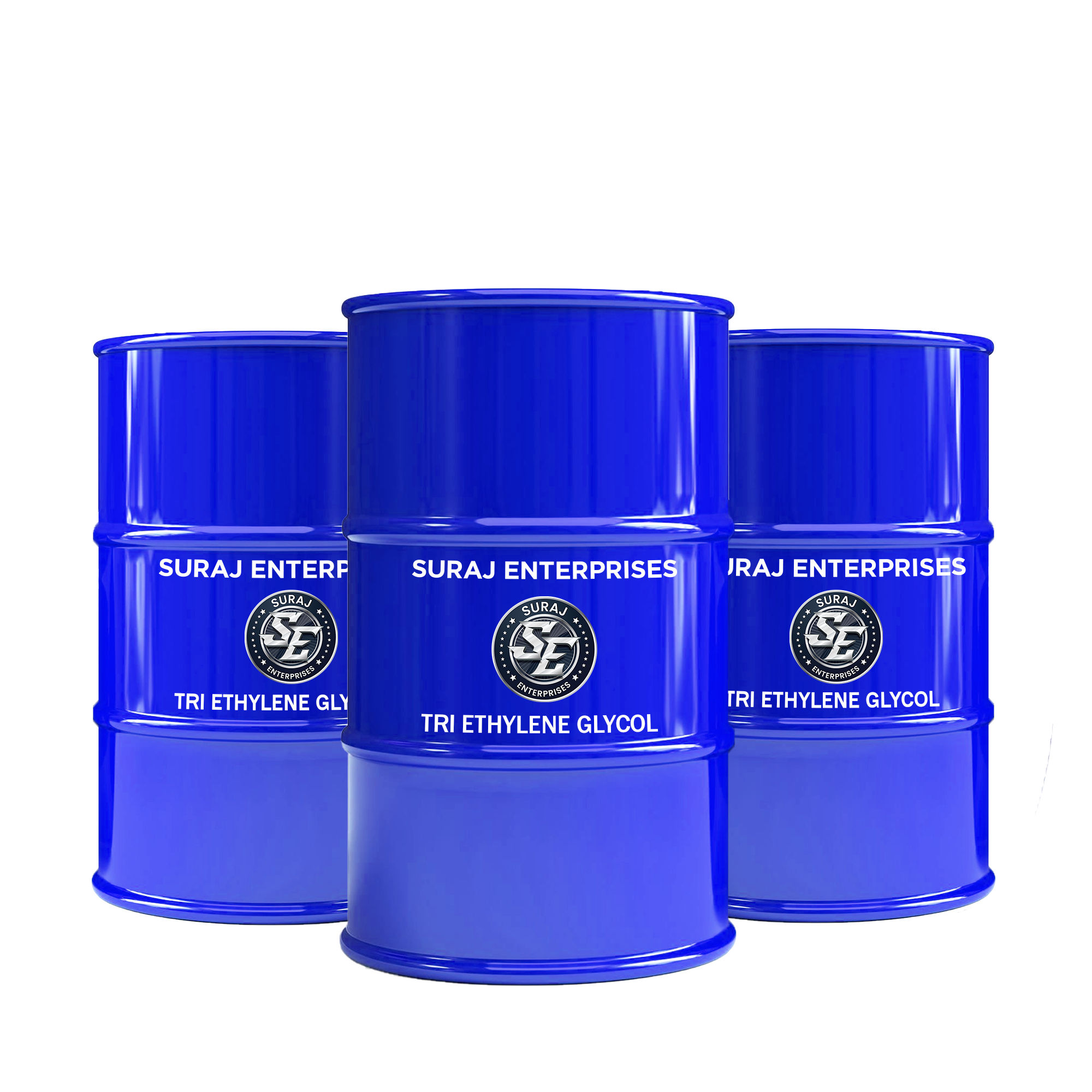
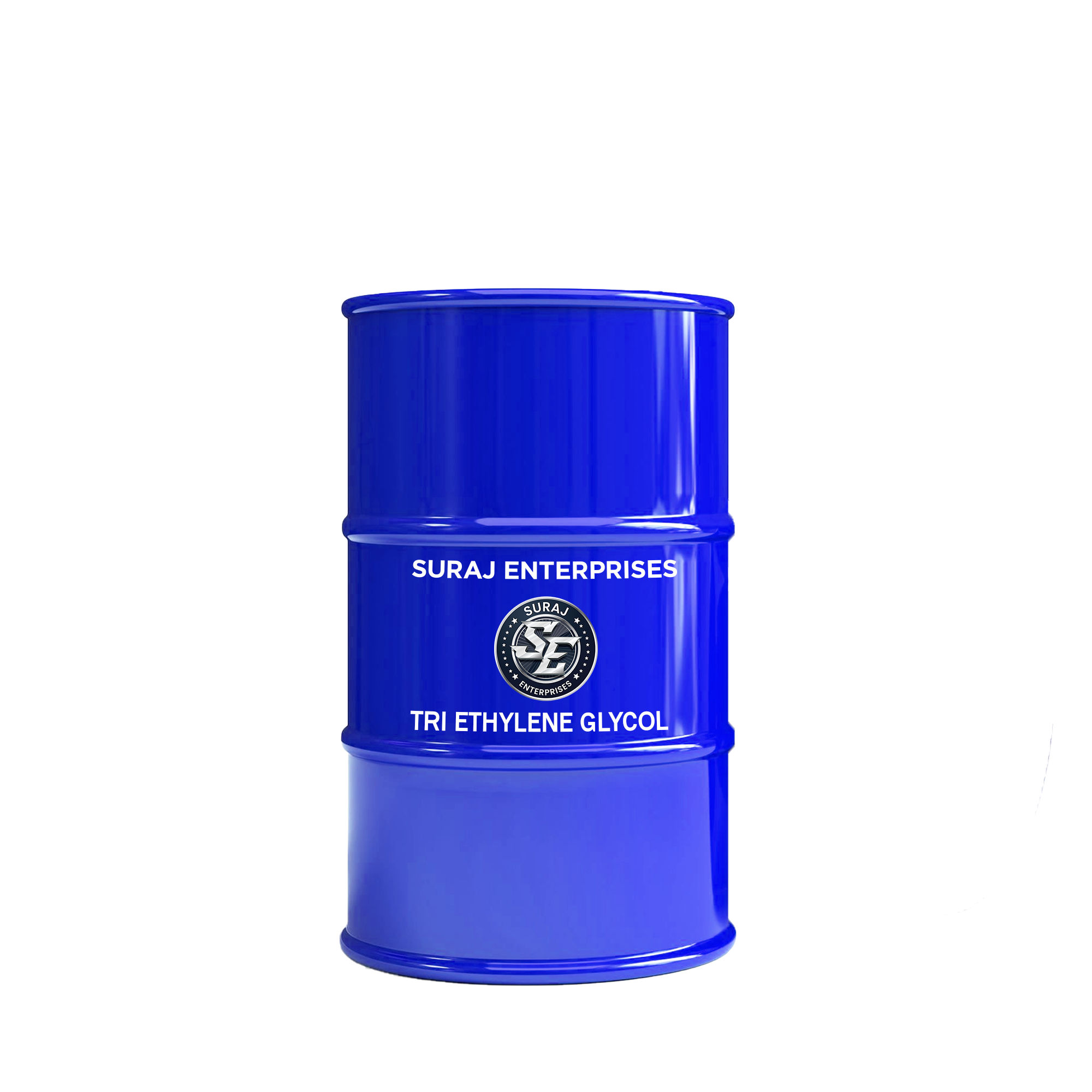
Triethylene Glycol (TEG) is a dihydric alcohol compound thatexists as a clear, colorless liquid with a mild, sweet odor. It is produced bythe ethoxylation of ethylene oxide. TEG is a versatile chemical with variousindustrial applications.
The primary application of Triethylene Glycol is as ahygroscopic agent and dehydrating agent. It is commonly used in natural gasdehydration processes to remove water vapor and impurities from natural gasstreams. TEG is also employed in air conditioning and refrigeration systems asa coolant and heat transfer fluid due to its low freezing point and highboiling point.
In addition to its role in dehydration and coolingapplications, Triethylene Glycol is used as a solvent and humectant inpharmaceuticals, cosmetics, and personal care products. TEG serves as a carrierand viscosity modifier in formulations such as lotions, creams, and ointments.
Triethylene Glycol is considered relatively safe for usewhen handled according to recommended guidelines. However, exposure to highconcentrations may cause irritation to the skin, eyes, and respiratory tract.Adequate ventilation and proper personal protective equipment (PPE), such asgloves and goggles, should be used when working with Triethylene Glycol tominimize risks associated with its use.
Versatile Industrial ApplicationsTriethylene Glycol is extensively used across diverse industries due to its ability to act as a powerful humectant, dehydrating agent, solvent, lubricant, and chemical intermediate. Its compatibility with several materials makes it indispensable for processes including the production of brake fluids, resins, and specialty plastics. These multifaceted applications highlight TEG's utility and reliability for industrial end-users.
Safe Handling and StorageTEG is stable under normal storage conditions and is non-poisonous, making it safe to handle. For best results and extended shelf life, it should be stored in tightly sealed containers in cool, dry environments. Its non-hazardous classification for transportation means easier logistics and reduced compliance concerns for suppliers and users alike.
Superior Solubility and StabilityWith high solubility in water, alcohol, acetone, ethylene glycol, and ethers, TEG offers wide compatibility in processing and formulation. Its neutral pH, high purity, and odorless quality ensure it meets strict industrial specifications, making it a highly dependable option in numerous manufacturing and application settings.
FAQ's of TRI ETHYLENE GLYCOL:
Q: How should Triethylene Glycol be stored for maximum shelf life?
A: Triethylene Glycol should be kept in tightly sealed containers and stored in a cool, dry place. Adhering to these storage guidelines ensures a shelf life of up to two years and helps maintain its quality and stability.
Q: What are the primary industrial uses of Triethylene Glycol?
A: TEG is utilized mainly as a humectant, dehydrating agent, solvent for cellulose esters, lubricant, and plasticizer. It is widely used in the manufacture of brake fluids, resins, and as a chemical intermediate in various industrial processes.
Q: When is Triethylene Glycol preferred over other glycols?
A: TEG is often chosen for applications requiring low volatility, high boiling point (285C), and excellent solubility in polar solvents. Its stable, odorless, and non-hazardous properties make it suitable for sensitive industrial environments.
Q: Where can Triethylene Glycol be sourced in India?
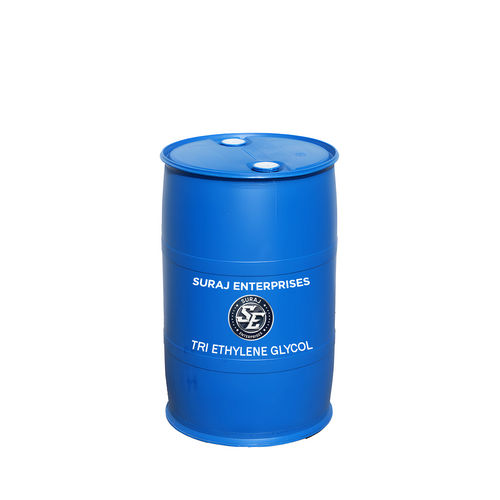
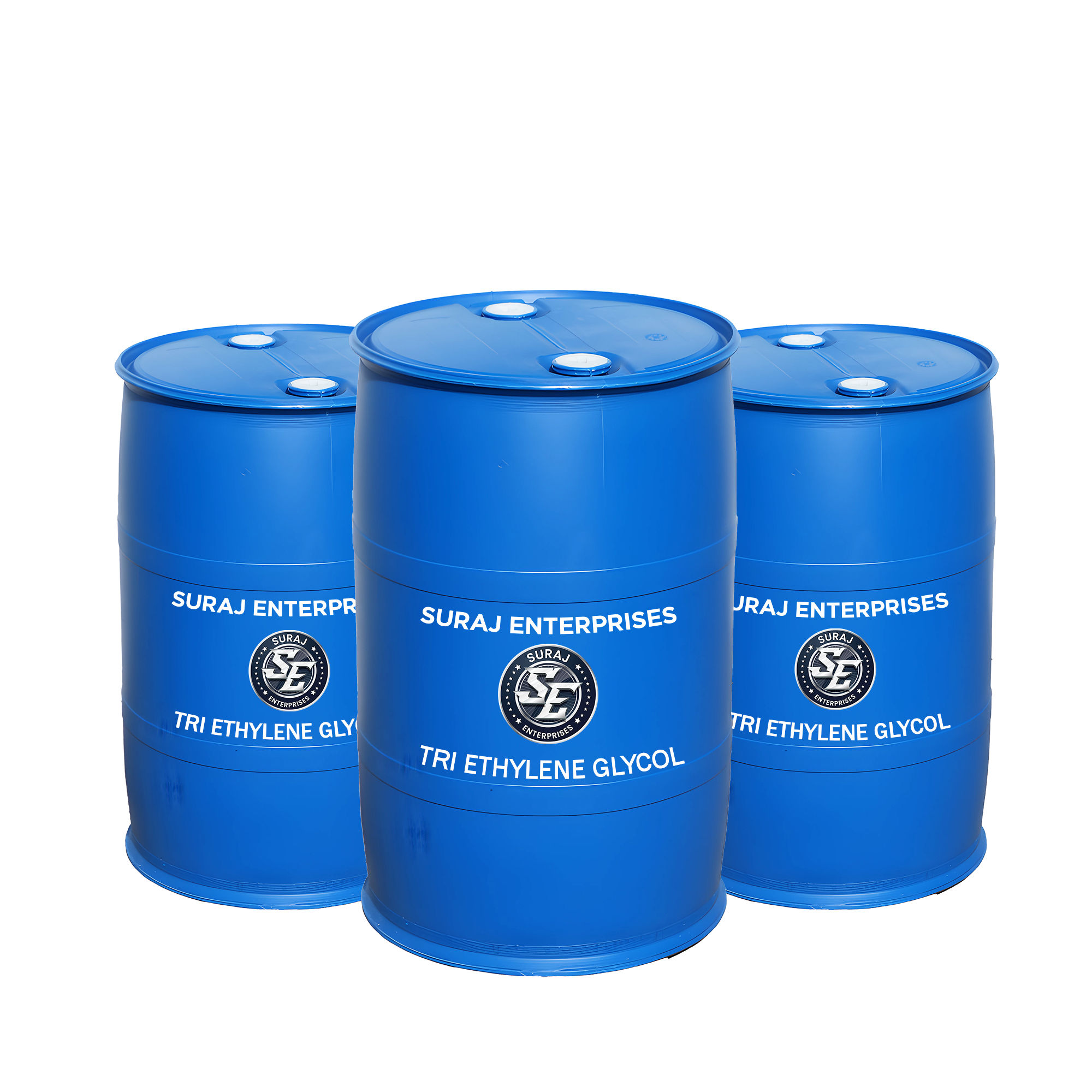
A: Triethylene Glycol is available through a range of chemical suppliers and traders across India. It is typically offered in industrial packaging such as drums or IBCs to cater to bulk and commercial buyers.
Q: What is the process for using Triethylene Glycol as a dehydrating agent?
A: In industrial dehydration, TEG is circulated through gas or air streams to absorb moisture due to its high affinity for water. Once saturated, it can be regenerated through heating, enabling repeated use in continuous dehydration cycles.
Q: Is Triethylene Glycol hazardous or poisonous?
A: Triethylene Glycol is classified as non-poisonous and is not regulated as a hazardous material for transportation under standard handling conditions. However, standard safety precautions for chemical handling should always be observed.
Q: What are the benefits of using Triethylene Glycol in industrial applications?
A: TEG offers high purity, robust solubility profile, stability under normal conditions, and non-hazardous transport classification. These properties make it a cost-effective and dependable choice for industrial formulations and processes.









 Send Inquiry
 Send Inquiry
 Send SMS


 English
 Spanish
 French
 German
 Italian
 Chinese (Simplified)
 Japanese
 Korean
 Arabic
 Portuguese