Product Description
Polyethylene Glycol (PEG) is a polyether compound composedof repeating ethylene oxide units (-CH2-CH2-O-). PEGs are available in variousmolecular weights, indicated by numbers such as PEG 200, PEG 400, PEG 600,etc., which correspond to the average number of ethylene oxide units in thepolymer chain.
The primary application of Polyethylene Glycol is as aversatile polymer used in pharmaceuticals, personal care products, industrialprocesses, and chemical synthesis. PEGs are water-soluble and exhibit excellentbiocompatibility and lubricating properties.
In pharmaceuticals and personal care products, PolyethyleneGlycol is used as a base for ointments, creams, and lotions due to itsmoisturizing and emulsifying properties. PEGs are also used as solubilizers andstabilizers in liquid formulations and as excipients in oral and topicalmedications.
In industrial processes, Polyethylene Glycol serves as asurfactant, dispersant, and lubricant. It is used in the formulation ofdetergents, paints, coatings, and adhesives to improve product performance andstability. PEGs are also employed in chemical synthesis as reaction media andcatalyst supports.
Polyethylene Glycol is considered safe for use in variousapplications when handled according to recommended guidelines. However,specific precautions should be taken depending on the intended use andmolecular weight of the PEG. Proper handling, storage, and disposal practicesshould be followed to ensure product integrity and safety.
Wide Range of ApplicationsPolyethylene Glycol's unique chemical properties make it ideal for use across multiple industries. From pharmaceuticals and cosmetics to lubricants and industrial solvents, PEG serves crucial roles such as emulsification, solubilization, and stabilization, ensuring high performance in various formulations.
Stable, Safe, and SustainableWith a shelf life of up to 24 months and stable performance under normal conditions, PEG is non-poisonous and odorless, adhering to USP/NF and BP standards. Its readily biodegradable nature promotes environmental responsibility, making it a preferred choice for manufacturers and suppliers alike.
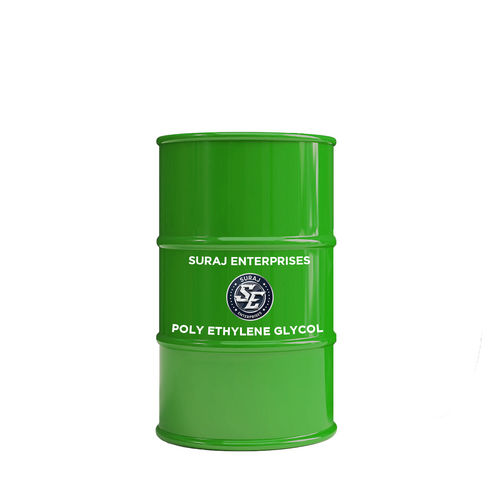
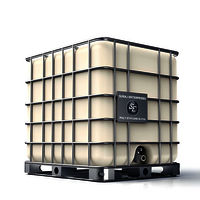
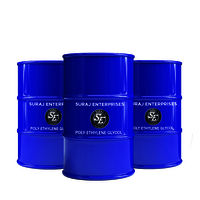
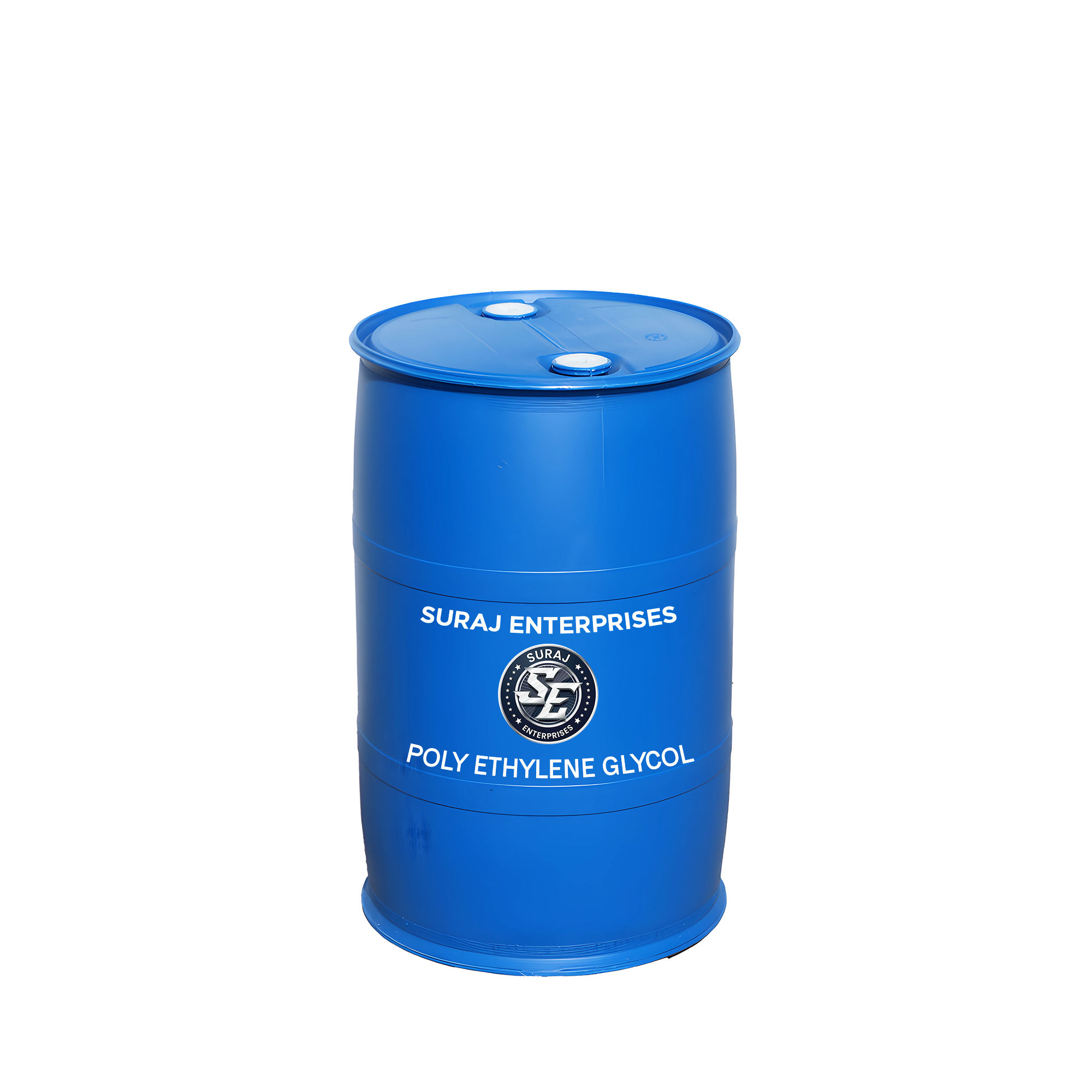
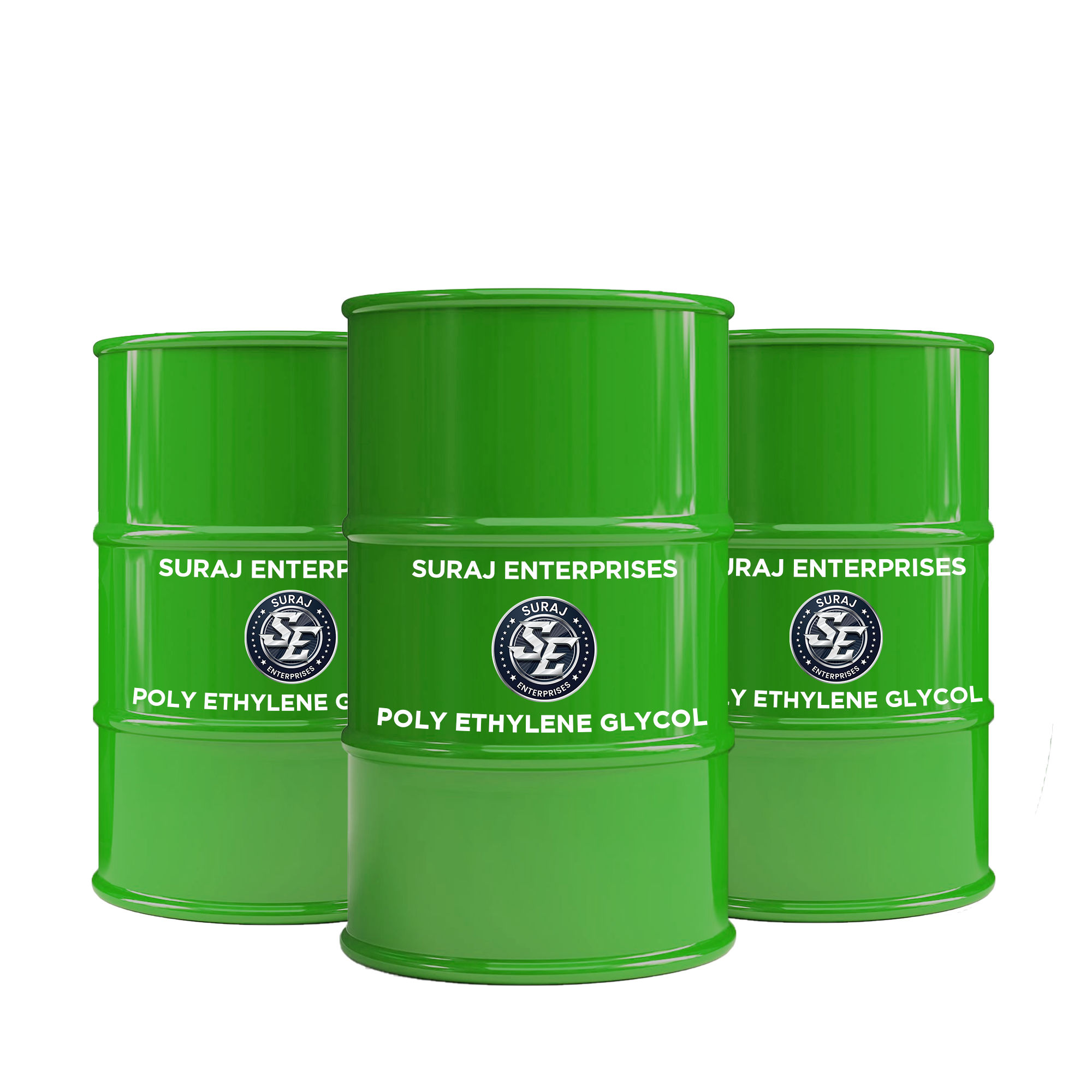
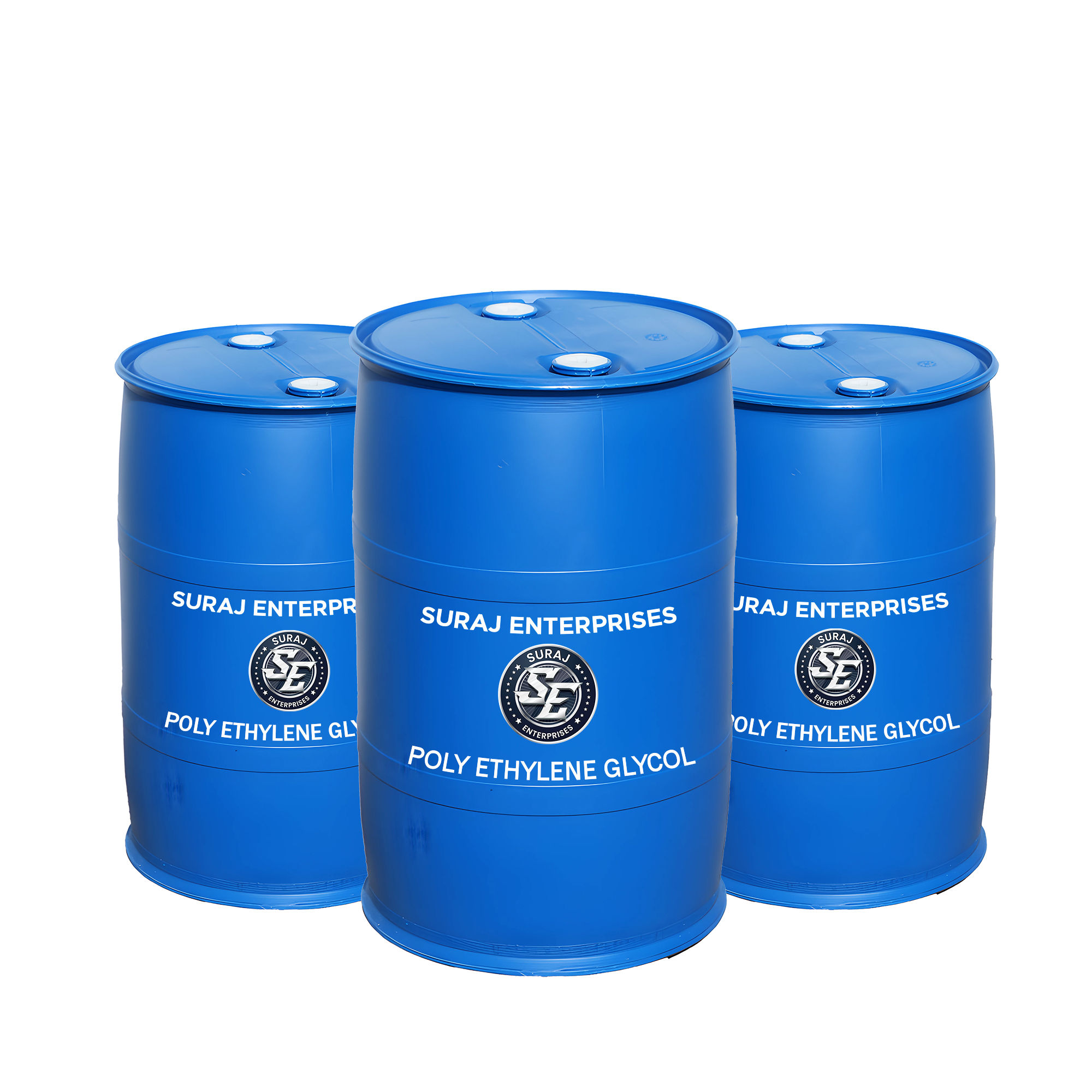
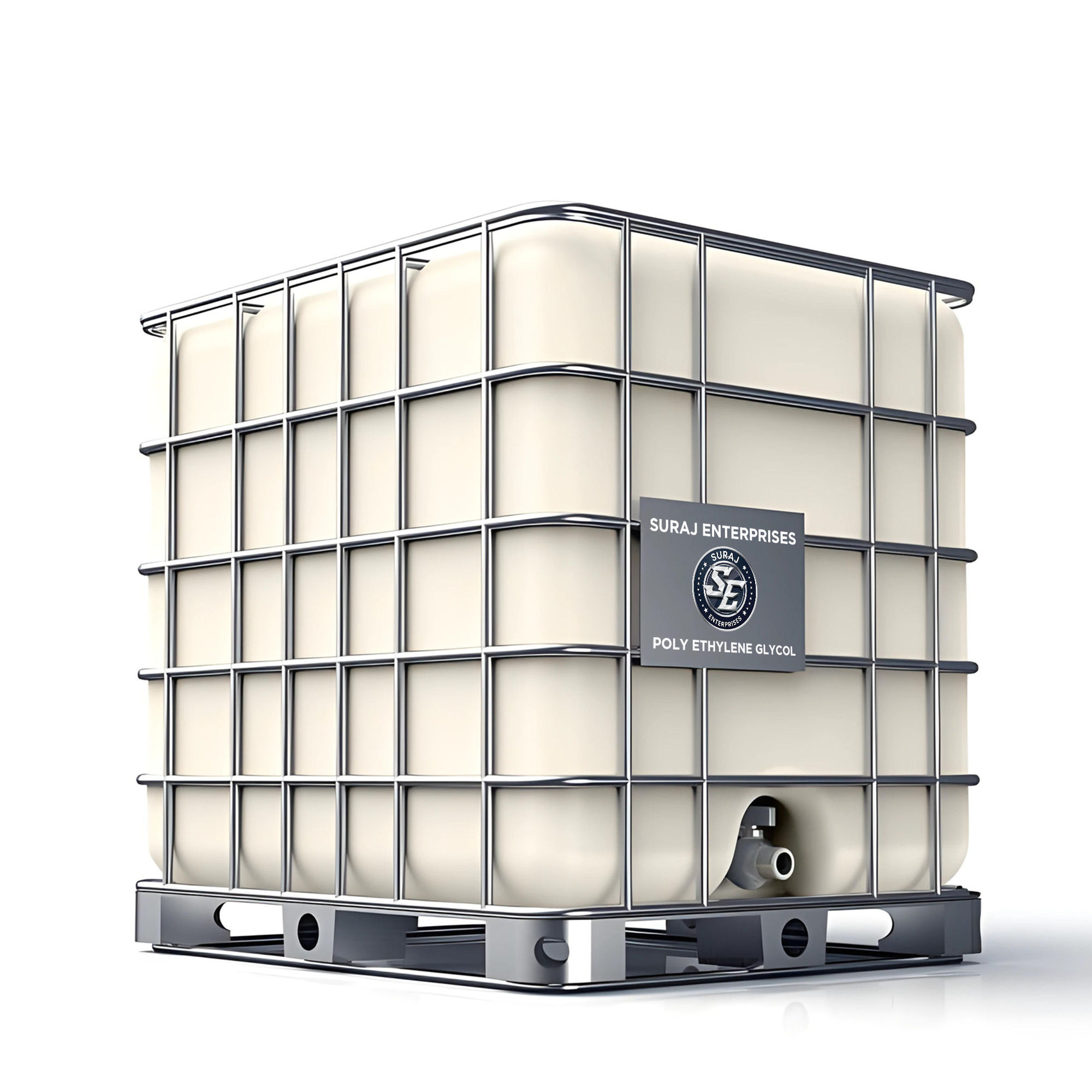
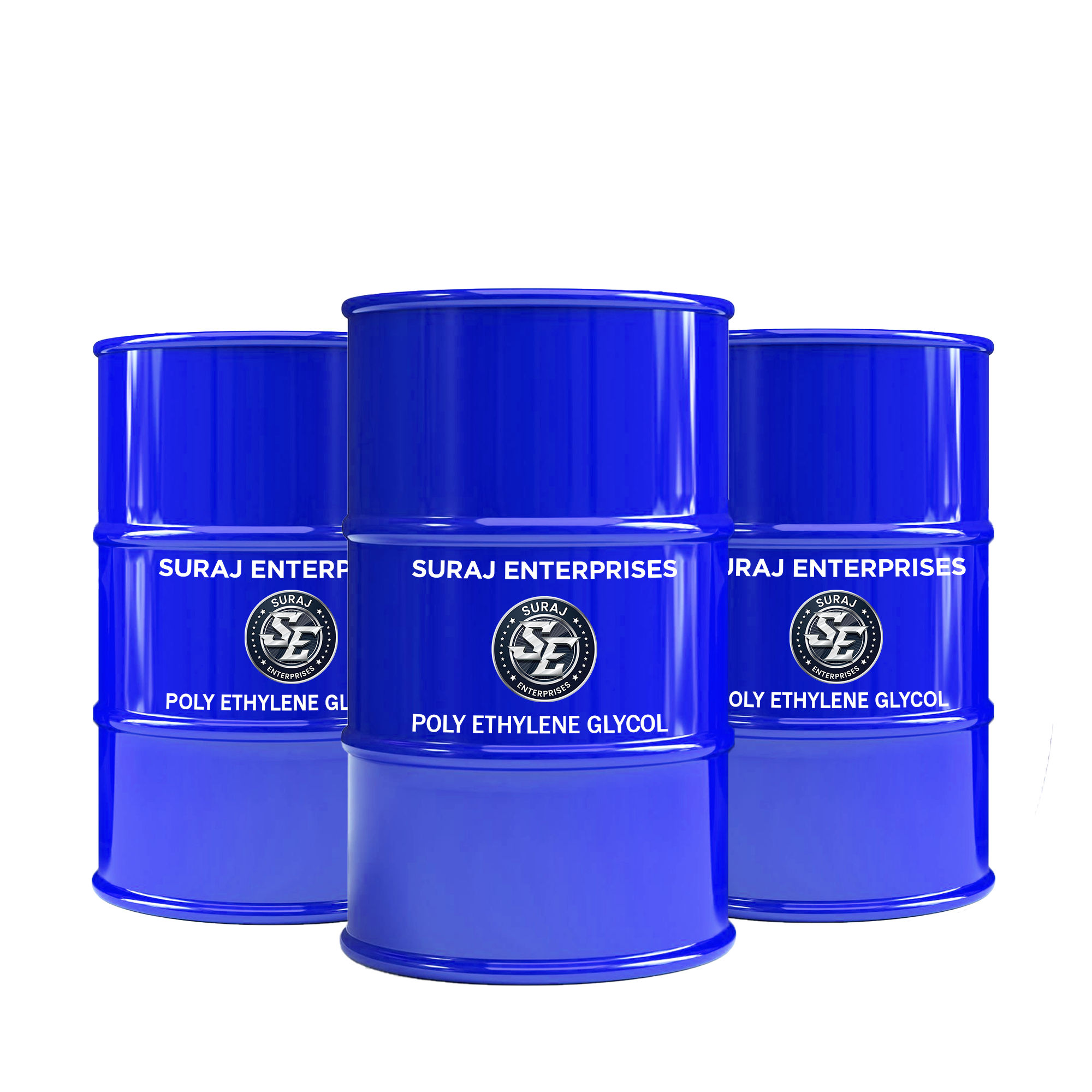
Flexible Packaging and StoragePEG is supplied in a range of packaging options-including plastic drums, IBC totes, and bulk tankers-to meet diverse logistical needs. Proper storage in tightly closed containers in a cool, dry area maximizes shelf life and ensures product integrity for end-users.
FAQ's of POLY ETHYLENE GLYCOL:
Q: How should Polyethylene Glycol be stored for optimal shelf life?
A: To maximize shelf life, store Polyethylene Glycol in tightly sealed containers in a cool, dry location, away from direct sunlight and moisture. Proper storage can extend product viability up to 24 months.
Q: What are the main applications of Polyethylene Glycol?
A: Polyethylene Glycol is primarily used as an emulsifier, solubilizer, dispersing agent, and anti-static agent. It finds extensive use in pharmaceuticals, cosmetics, personal care products, and as an industrial solvent and lubricant.
Q: When is Polyethylene Glycol the preferred emulsifier or solubilizer?
A: PEG is preferred when formulating products requiring high solubility in both water and organic solvents, and when a stable, non-toxic, and odorless ingredient is essential for safety and efficacy.
Q: Where is Polyethylene Glycol commonly sourced and supplied from?
A: Polyethylene Glycol is widely supplied and traded in India and globally, with packaging options like plastic drums, IBC totes, and bulk tankers to meet diverse industry requirements.
Q: What benefits does Polyethylene Glycol provide over other polyether compounds?
A: PEG offers superior biodegradability, high chemical stability, excellent compatibility with various substances, and is non-poisonous, making it suitable for sensitive uses, especially in health and beauty sectors.
Q: Can Polyethylene Glycol be used in both industrial and pharmaceutical applications?
A: Yes, PEG is available in industrial and pharmaceutical grades, meeting strict standards such as USP/NF and BP, which ensures its suitability for a broad spectrum of applications.








 Send Inquiry
 Send Inquiry
 Send SMS


 English
 Spanish
 French
 German
 Italian
 Chinese (Simplified)
 Japanese
 Korean
 Arabic
 Portuguese