Product Description
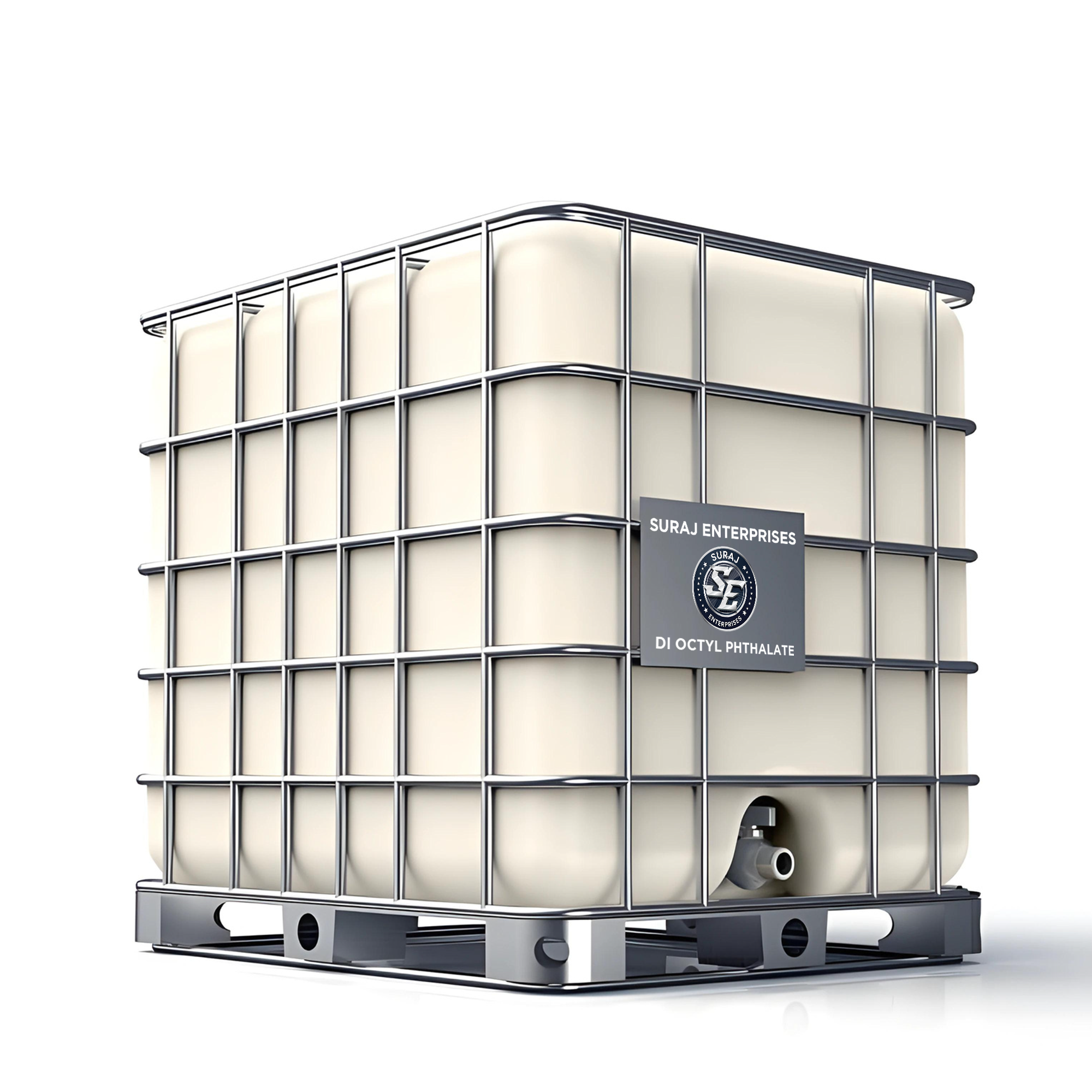
DioctylPhthalate (DOP) is an organic compound belonging to the class of phthalateesters and is widely used as a plasticizer in polymer and resin formulations.It is a colorless to pale yellow liquid with a mild odor. DOP is produced byesterification of phthalic anhydride with 2-ethylhexanol.
The primaryapplication of Dioctyl Phthalate is in the production of polyvinyl chloride(PVC) plastics, where it functions as a plasticizer to impart flexibility,durability, and elasticity to the final products. DOP helps improve theprocessability and mechanical properties of PVC compounds, making them suitablefor use in diverse applications, including flooring, cables, automotive parts,and medical devices.
In additionto its role as a plasticizer, Dioctyl Phthalate finds applications in otherpolymer systems, such as polyvinyl acetate and cellulose derivatives, toenhance their flexibility and workability. It is also used in adhesives,sealants, coatings, and printing inks to improve their performance andprocessability.
Due to itswidespread use and potential health and environmental concerns associated withphthalate plasticizers, regulatory restrictions and guidelines have beenimplemented to limit the use of Dioctyl Phthalate in certain consumer products,particularly those intended for childrens use.
Properhandling, storage, and disposal practices should be followed to ensure safe useof Dioctyl Phthalate. Adequate ventilation and personal protective equipment(PPE), such as gloves and goggles, should be used to minimize exposure duringhandling and processing.
Versatile Industrial PlasticizerDioctyl Phthalate (DOP) is primarily used as a plasticizer in the manufacturing of flexible PVC, rubber products, paints, and adhesives. Its ability to impart flexibility makes it indispensable in producing a diverse range of end-products, including cables, films, and synthetic leathers. The chemicals stable nature and compatibility with organic solvents contribute to its widespread adoption across industries.
Safe Handling and StorageFor optimal shelf life and safety, DOP should be stored in a cool, dry, and well-ventilated area, away from heat or ignition sources. The product is toxic if ingested or inhaled and may pose environmental risks, so adherence to all local and international regulations is recommended. Always use personal protective equipment when handling to minimize exposure.
FAQs of DI OCTYL PHTHALATE:
Q: How should Dioctyl Phthalate (DOP) be stored to maintain quality and safety?
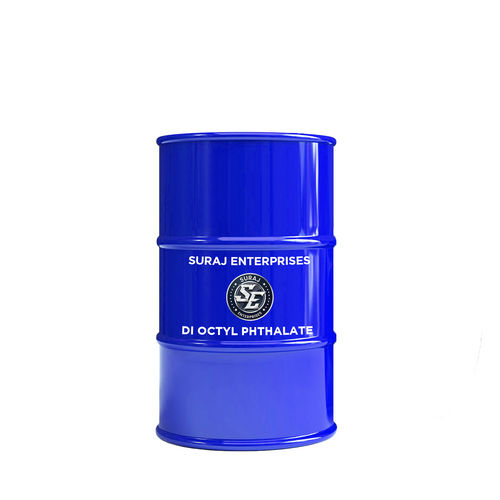
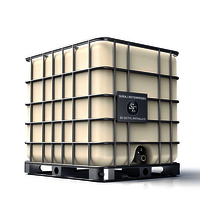
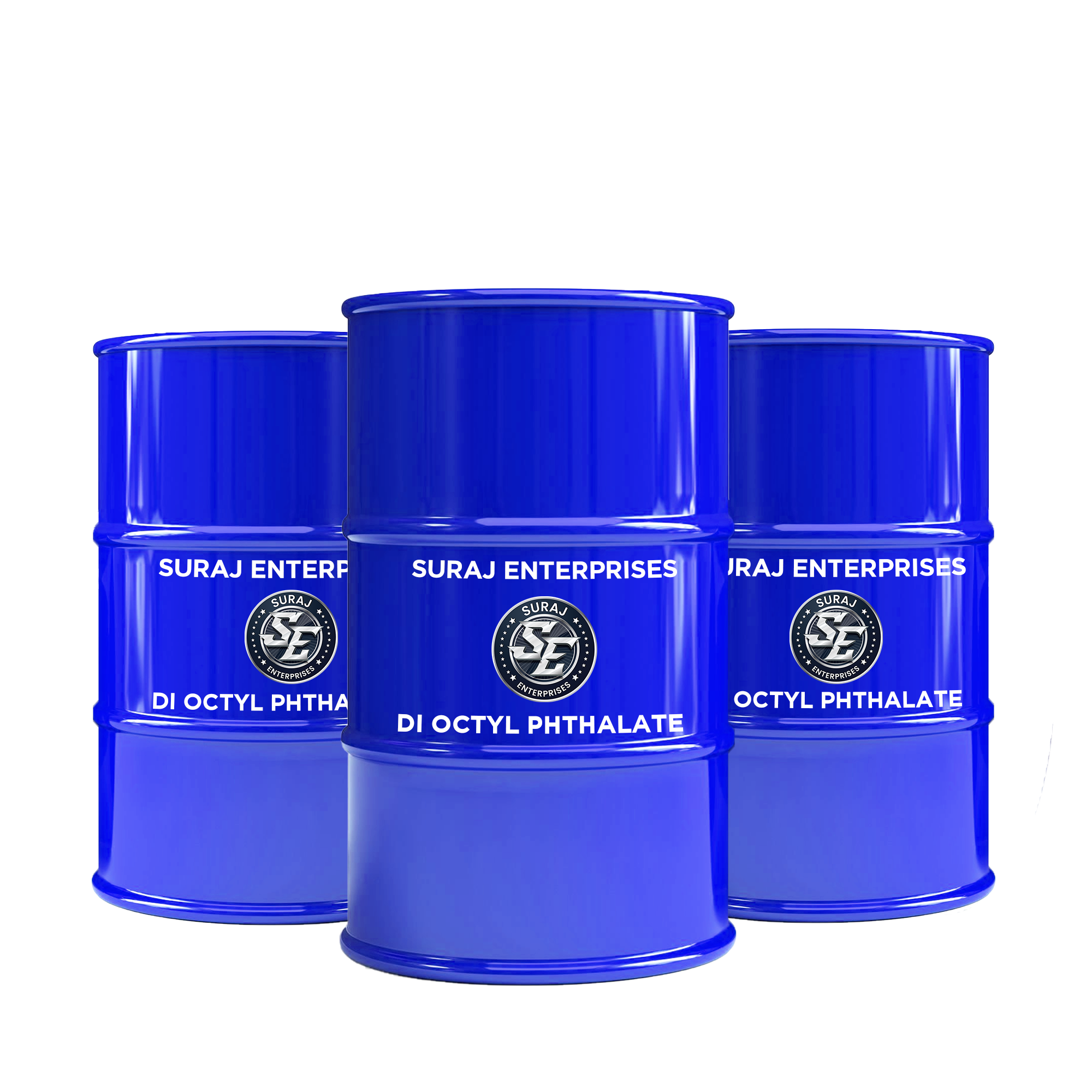
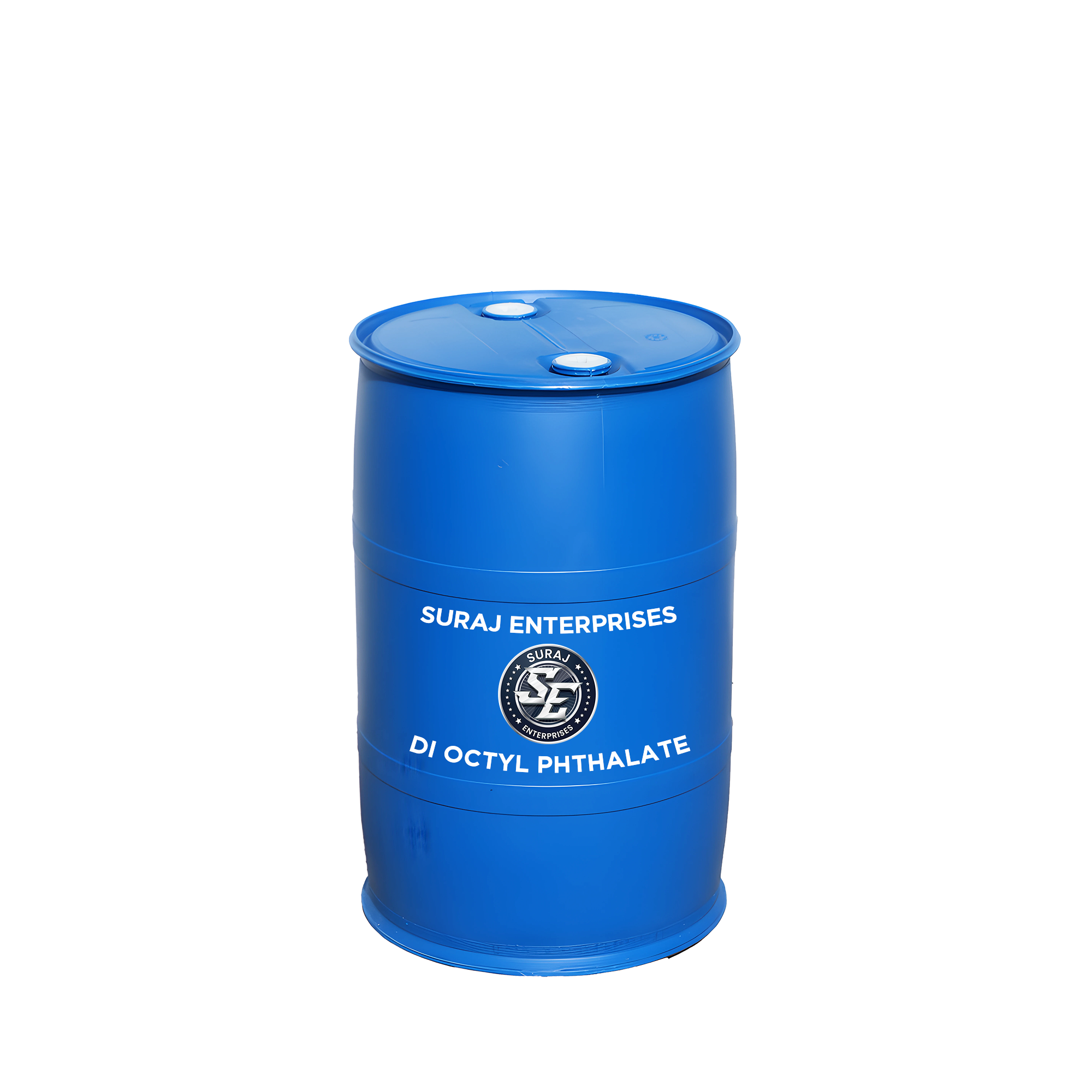
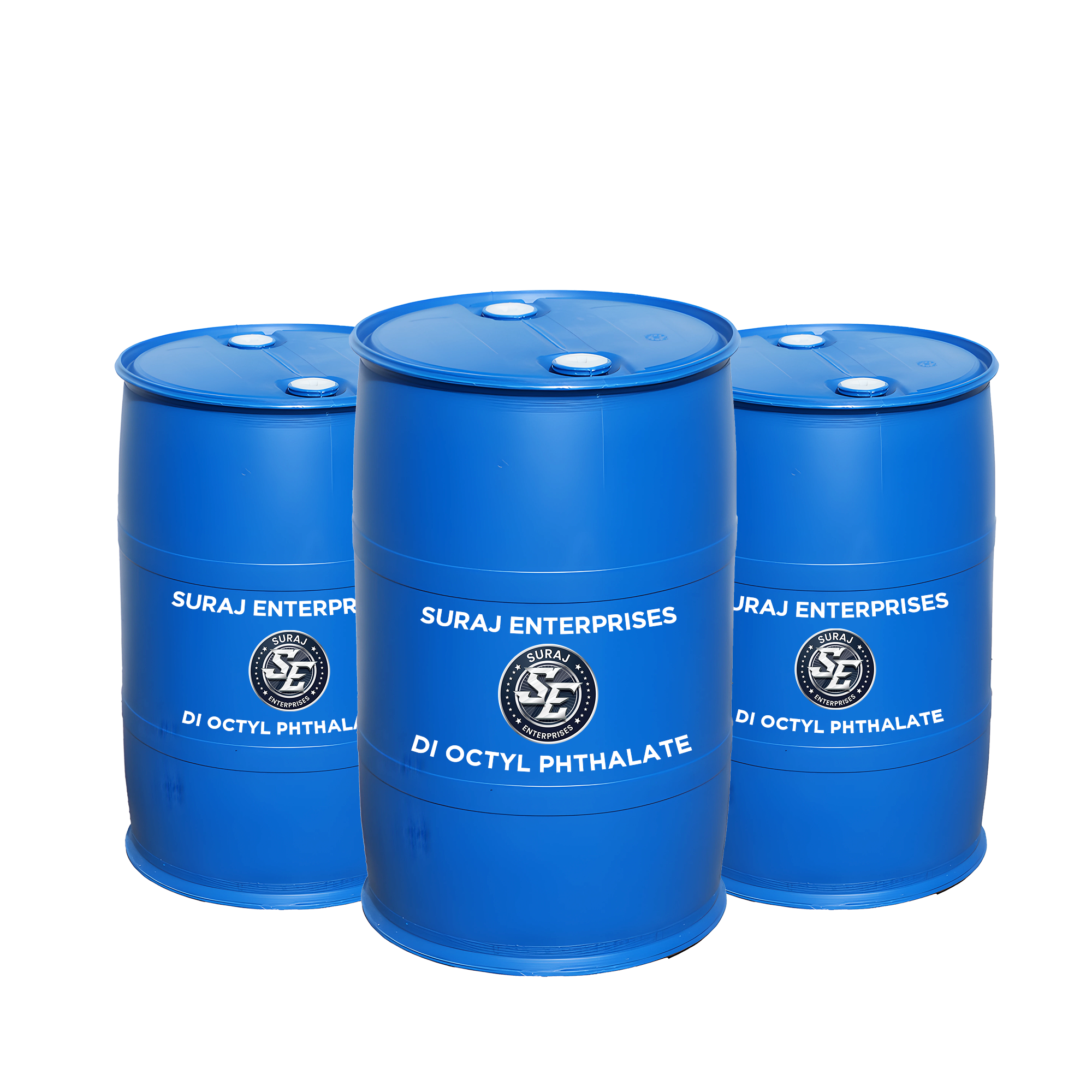
A: DOP should be stored in tightly sealed containers like 200 L drums, in a cool, dry, and well-ventilated area, away from sources of heat, sparks, or ignition. Proper storage conditions ensure the products stability and prevent degradation or hazardous incidents.
Q: What is the primary industrial application of DOP?
A: Dioctyl Phthalate is mainly used as a plasticizer in the production of flexible polyvinyl chloride (PVC) products, as well as in rubber, paints, and adhesives, because it imparts flexibility and enhances durability.
Q: When should personal protective equipment be used with DOP?
A: Personal protective equipment, such as gloves and masks, should be used whenever handling DOP to minimize risks from toxicity due to ingestion or inhalation. Proper PPE is also essential during transportation, transfer, or any process where exposure could occur.
Q: Where can DOP be sourced in India?
A: DOP is widely available from industrial suppliers and traders across India, typically offered in bulk packaging or 200 L drums to meet industrial grade standards.
Q: What are the benefits of using DOP as a plasticizer?
A: DOP significantly improves flexibility, workability, and lifespan of products made from PVC and rubber. Its high purity, compatibility with organic solvents, and thermal stability make it a preferred choice for diverse manufacturing needs.
Q: How is DOP handled for environmental compliance?
A: Due to its potential environmental hazards, handling and disposal of DOP must follow local, national, and international environmental regulations. Steps include secure storage, preventing leaks or spills, and proper waste management protocols.








 Send Inquiry
 Send Inquiry
 Send SMS


 English
 Spanish
 French
 German
 Italian
 Chinese (Simplified)
 Japanese
 Korean
 Arabic
 Portuguese