Product Description
Dimethylformamide (DMF) is a clear, colorless liquid with a faint amine-like odor. It is a highly polar solvent and a versatile industrial chemical used in various applications. DMF is synthesized through the reaction of dimethylamine with formic acid or carbon monoxide. It is valued for its excellent solvency power, high boiling point, and wide range of solubility. DMF finds extensive use as a solvent in organic synthesis, particularly in the production of pharmaceuticals, polymers, and specialty chemicals. It is also employed as a reaction medium in various chemical processes, including peptide synthesis, polymerization reactions, and metal surface treatment. Additionally, DMF serves as a solvent in the formulation of coatings, adhesives, inks, and dyes due to its ability to dissolve a wide range of organic compounds. However, DMF should be handled with care as it is known to be toxic and may cause skin irritation, respiratory issues, and other health problems upon prolonged or repeated exposure. Proper safety precautions, including the use of personal protective equipment and adequate ventilation, should be observed when working with Dimethylformamide.
Excellent Solvency and Versatile ApplicationsDimethyl Formamide (DMF) serves as an outstanding industrial solvent and intermediate, thanks to its complete miscibility with water and organic solvents. Its neutral pH and stable characteristics make it ideal for pharmaceutical production, polyurethane coatings, and acrylic fiber synthesis. Industries value DMF for its efficacy in dissolving a wide range of substances, streamlining manufacturing processes, and ensuring high-quality outputs.
Safe Handling and Storage RecommendationsIt is essential to handle DMF with proper precaution as it can cause skin and eye irritation and poses health risks with prolonged exposure. Store DMF in tightly closed containers, placed in cool, dry, and well-ventilated areas, away from heat or sources of ignition. Following safety regulations and transport guidelines (UN 2265, Class 3) ensures both product quality and user safety during storage and handling.
FAQ's of Dimethyl Formamide:
Q: How should Dimethyl Formamide be safely stored and handled?
A: Dimethyl Formamide should be stored in tightly sealed containers in a cool, dry, and well-ventilated environment, away from sources of heat or ignition. Proper protective equipment such as gloves and goggles should be worn during handling to avoid skin and eye contact, as DMF is known to cause irritation and health risks with prolonged exposure.
Q: What are the main industrial applications of Dimethyl Formamide?
A: DMF is widely used as a solvent in the pharmaceutical industry, for polyurethane coatings, the production of acrylic fibers, and as a chemical intermediate in synthesis processes. Its excellent solvency enables efficient blending and reaction with water and most organic substances in various manufacturing settings.
Q: When is DMF preferred over other solvents in industrial processes?
A: DMF is chosen over other solvents when complete miscibility with water and organic solvents is required, or when stability under neutral pH and specific boiling/melting points is essential. Its high purity and consistent performance make it especially valuable in demanding processes like pharmaceutical synthesis and specialty coatings.
Q: Where is DMF typically supplied and in what packaging options?
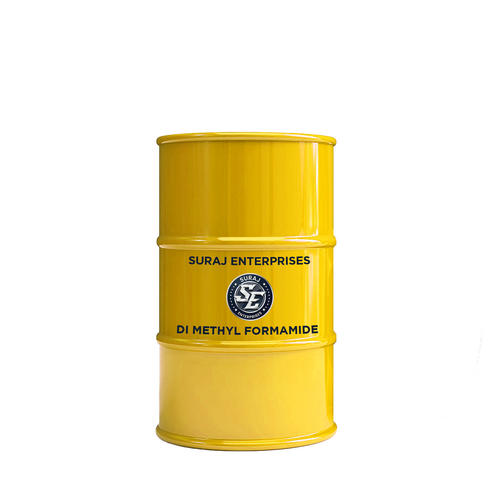
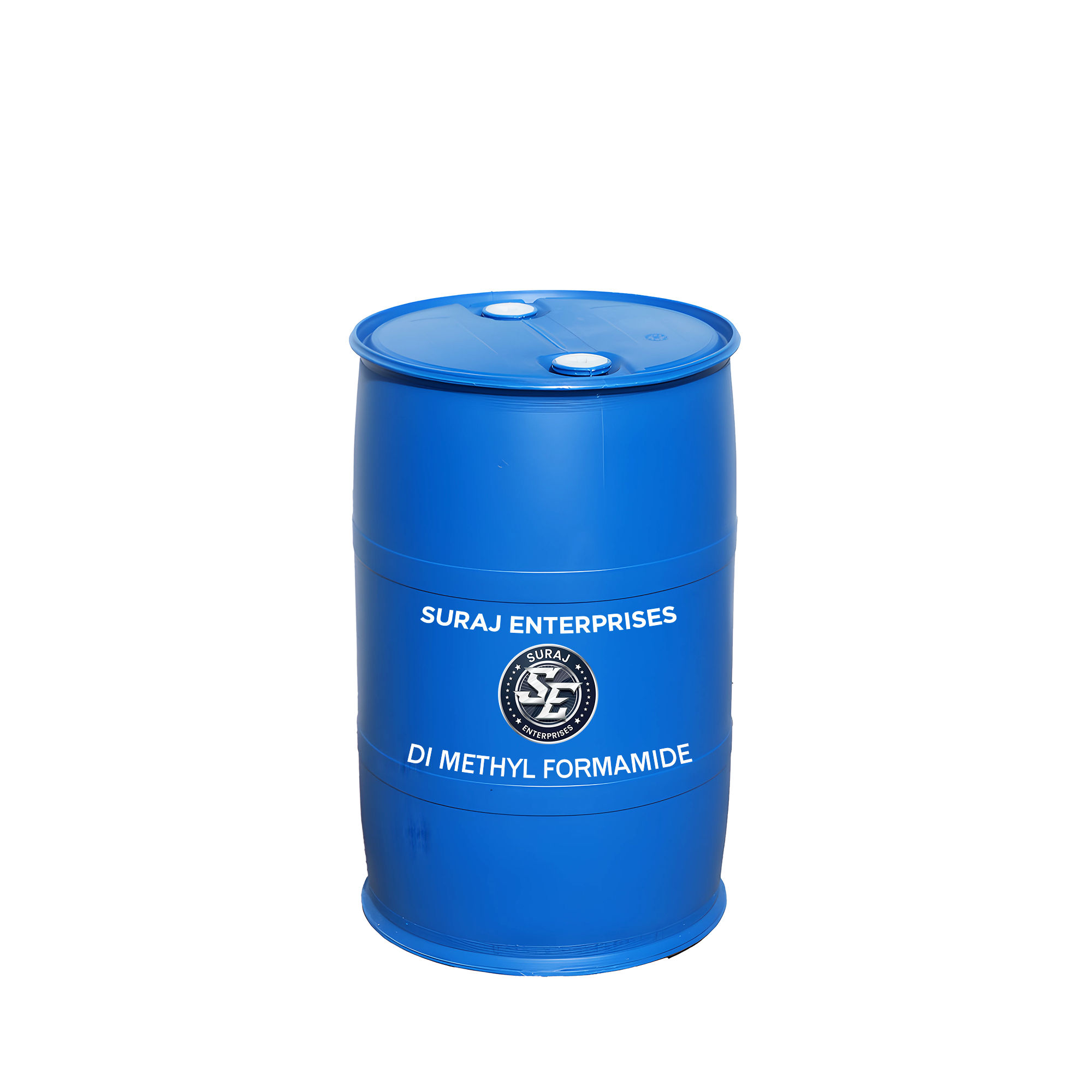
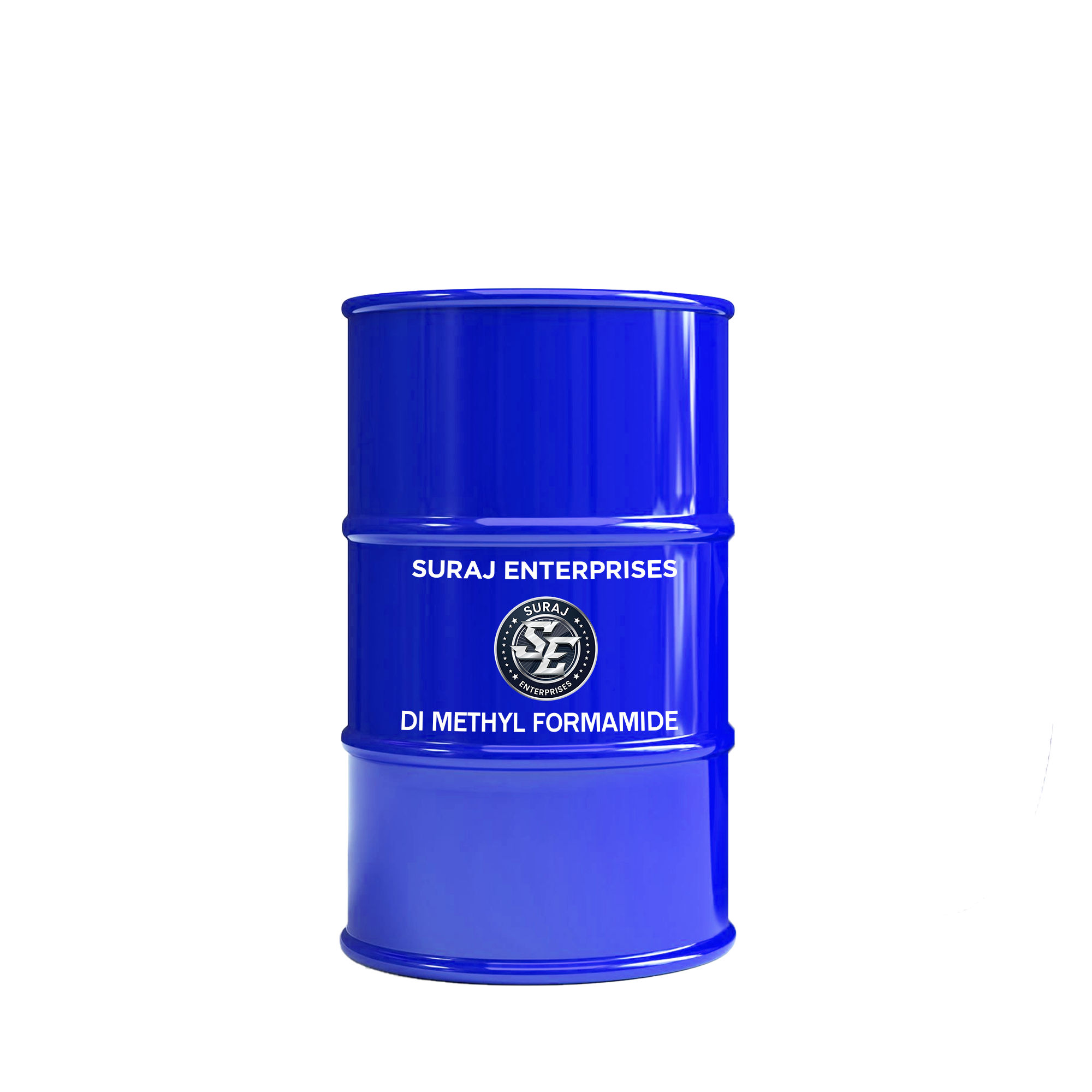
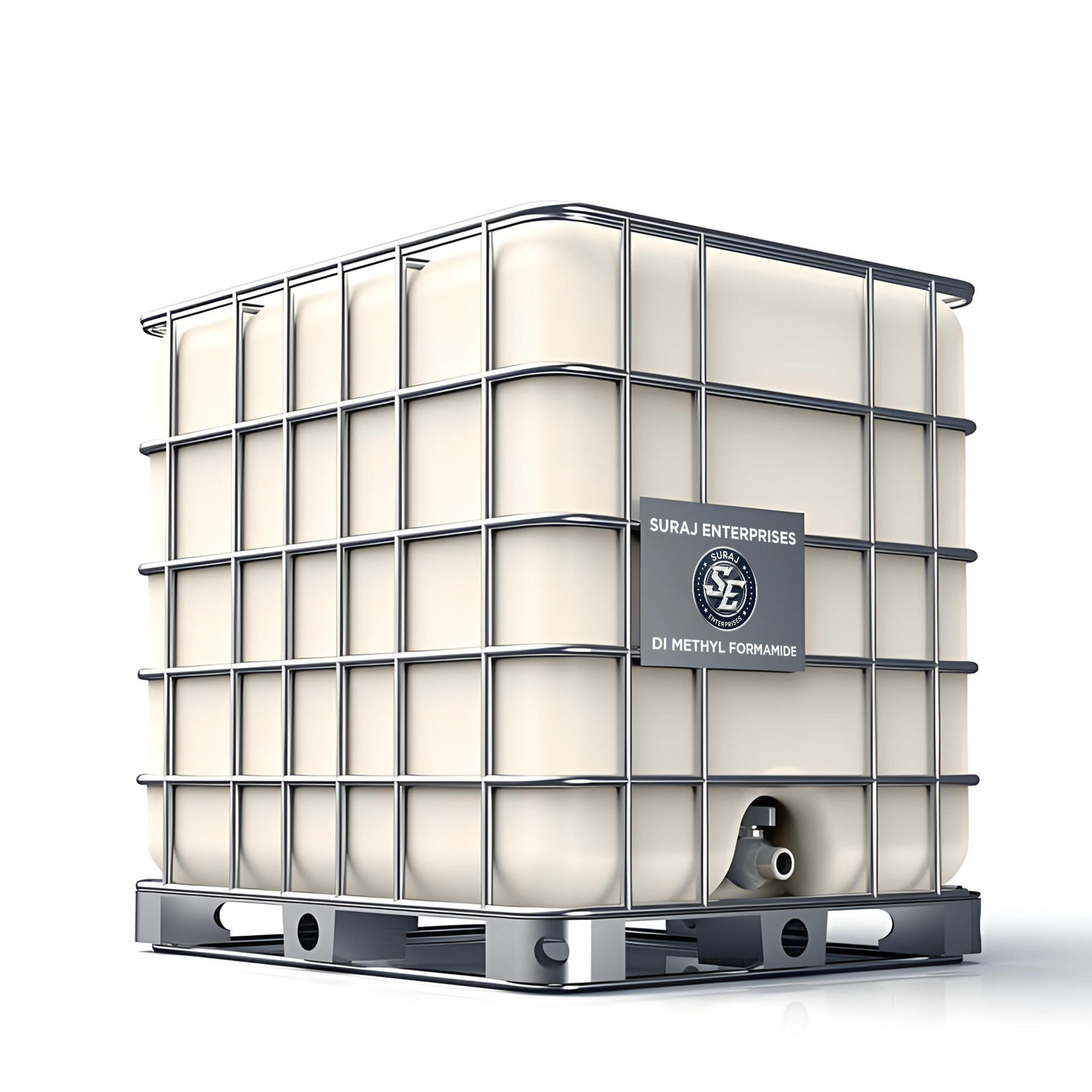
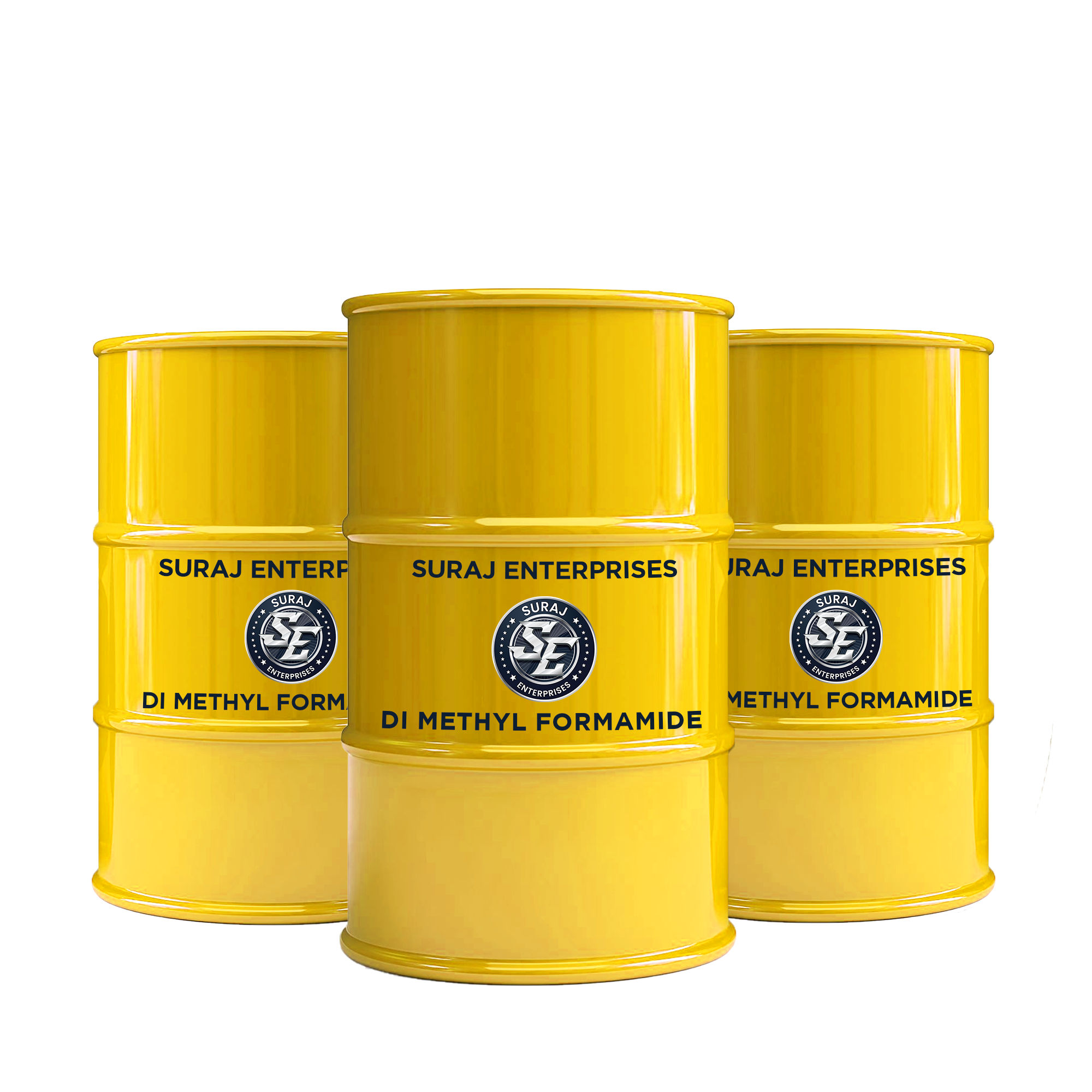
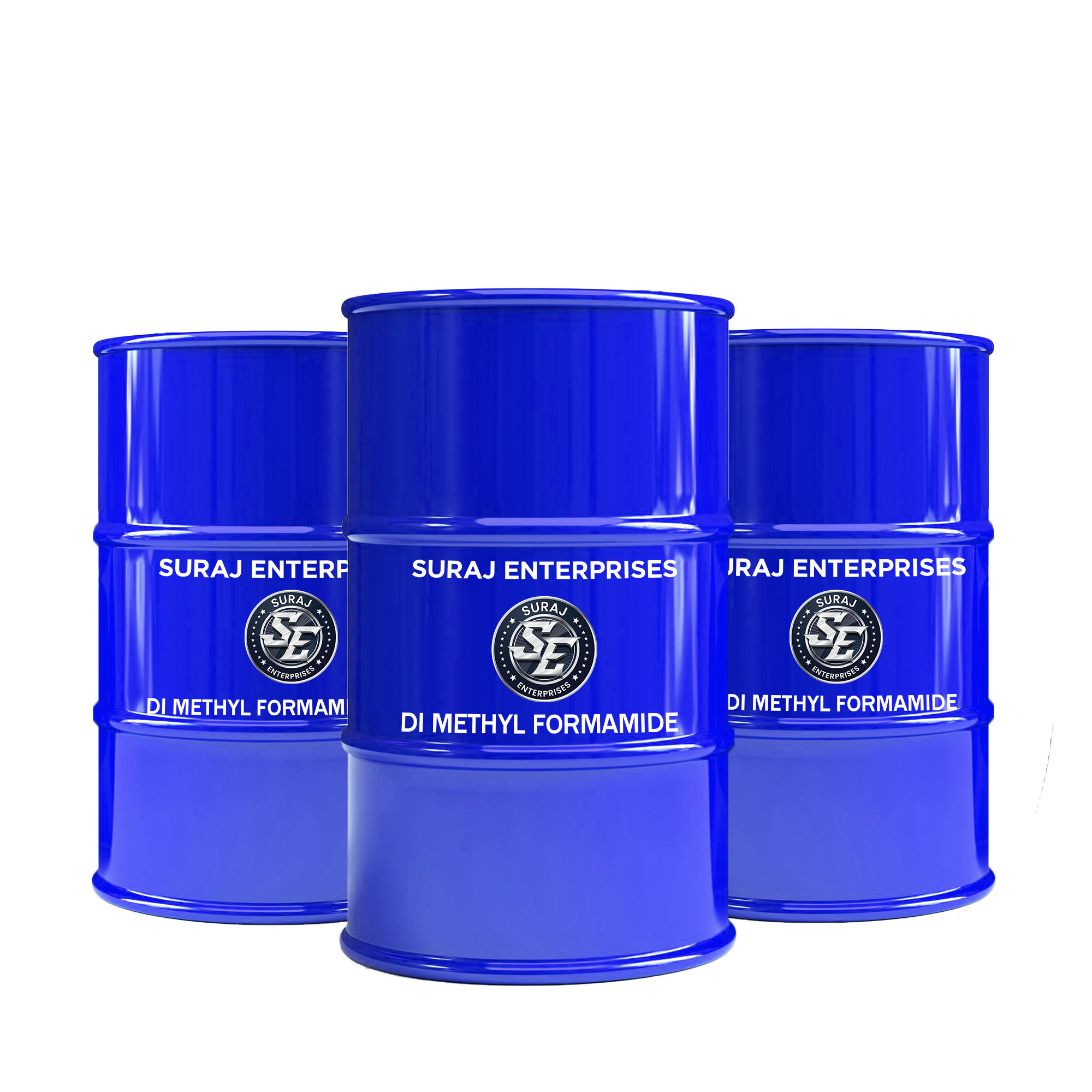
A: Dimethyl Formamide is available in India through reputable suppliers and traders, usually packaged in 50 kg or 200 kg drums. This ensures easy handling, safe transport (UN 2265, Class 3), and secure storage for both small and large-scale industrial operations.
Q: What is the recommended process for using DMF in chemical synthesis?
A: During chemical synthesis, DMF acts as both a solvent and a reagent. It facilitates efficient reactions due to its high purity (minimum 99%) and complete miscibility with a wide variety of reagents. Always follow standard operating procedures, wear suitable protective equipment, and ensure proper ventilation when using DMF in any synthesis operations.
Q: How does using DMF benefit pharmaceutical and coatings manufacturers?
A: DMF offers excellent solvency, enhances reaction efficiency, and ensures consistent quality, making it a staple in pharmaceutical and coatings production. Its neutral pH and compatibility with many compounds contribute to superior product outcomes and process reliability in these industries.








 Send Inquiry
 Send Inquiry
 Send SMS


 English
 Spanish
 French
 German
 Italian
 Chinese (Simplified)
 Japanese
 Korean
 Arabic
 Portuguese