Product Description
nHeptane is a colorless liquid hydrocarbon with a characteristic odor It is a straightchain alkane and is one of the main components of gasoline nHeptane is typically produced from the fractional distillation of petroleum or crude oil refining processes It is widely used as a solvent in various industrial applications due to its low toxicity low reactivity and relatively high volatility nHeptane is commonly employed as a standard reference material in laboratory testing and calibration procedures particularly in the field of chromatography It is also used as a solvent for oil extraction cleaning agent for electronic components and in the manufacture of rubber and adhesives Additionally nHeptane serves as a fuel for research engines and in the automotive industry for testing engine performance and emissions However it should be handled with care as it is flammable and can form explosive mixtures with air Proper safety precautions including the use of personal protective equipment and adequate ventilation should be observed when working with nHeptaneKey Properties and CompositionN Heptane features a high level of purity (99% min) and presents as a clear liquid with a neutral pH and a density of 0.684 g/cm3. Chemically, it is a saturated hydrocarbon (C7H16), with a low viscosity and rapid evaporation rate. Its structure is CH3(CH2)5CH3, providing stability under proper storage while demonstrating notable flammability. It is classified under UN Number 1206, Class 3, Packing Group II for transport.
Typical Uses and ApplicationsThis product is widely used in industry and research laboratories as a solvent and a standard material in fuel testing, particularly for determining octane ratings. Its compatibility as a component for analytical procedures and formulations, together with its reliable and consistent material grade, facilitates precision in scientific and industrial processes.
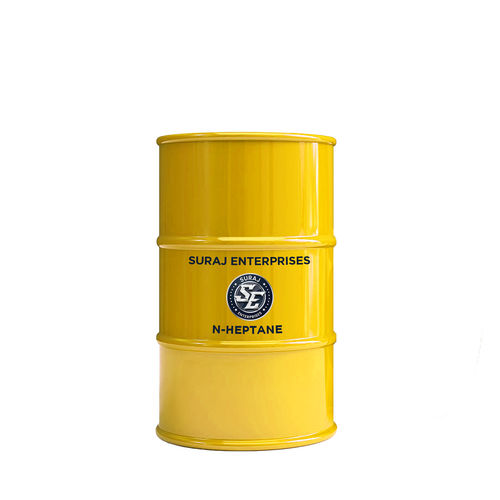
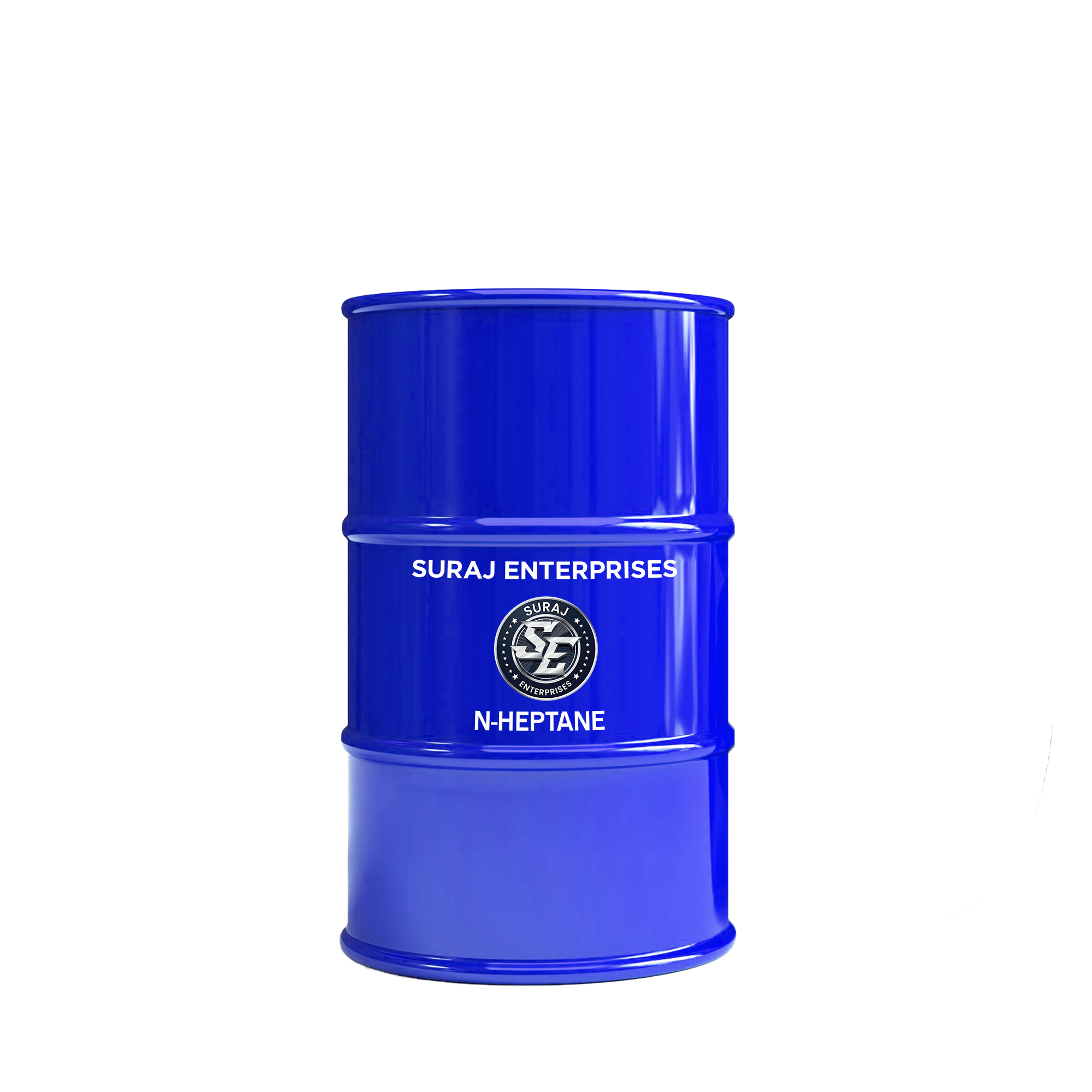
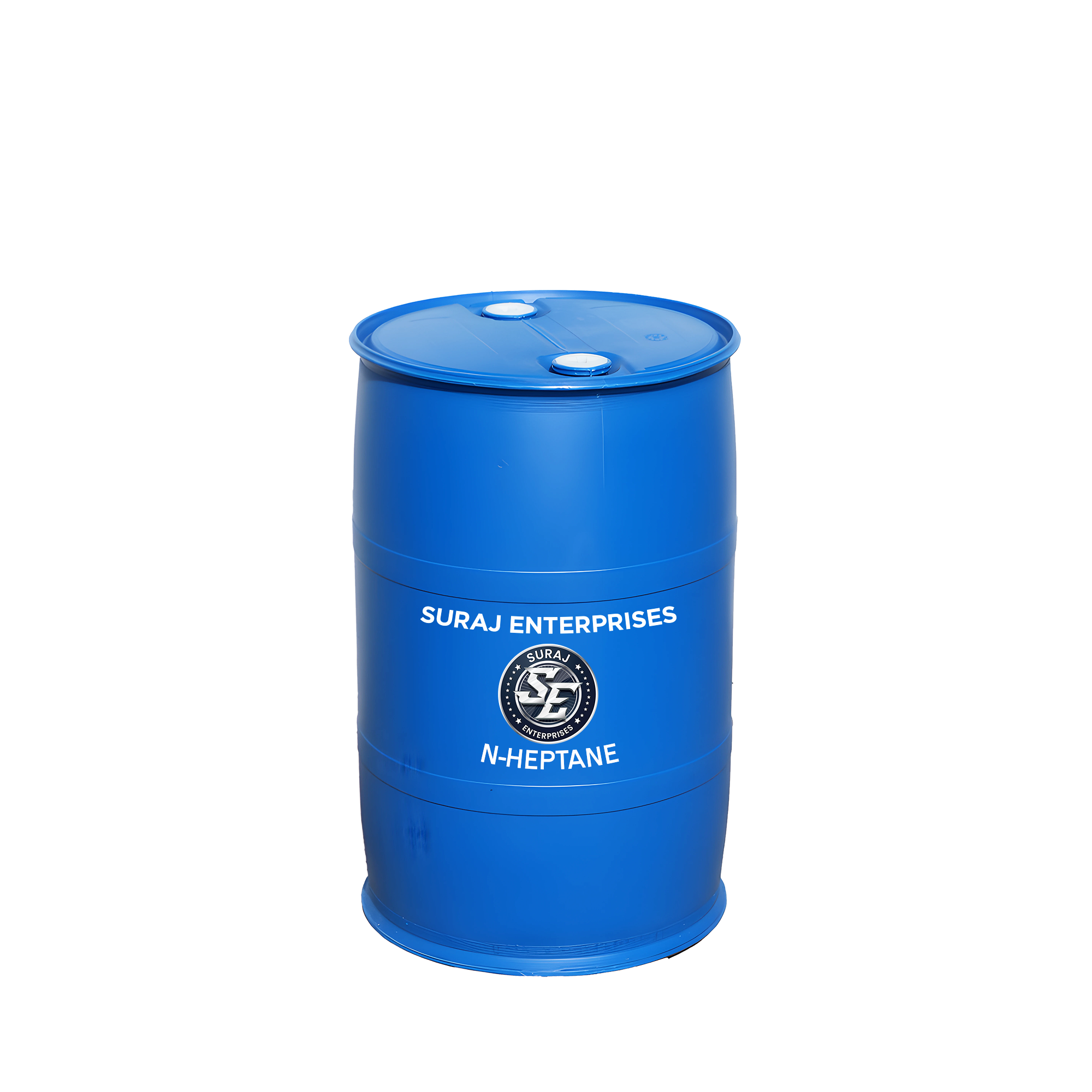
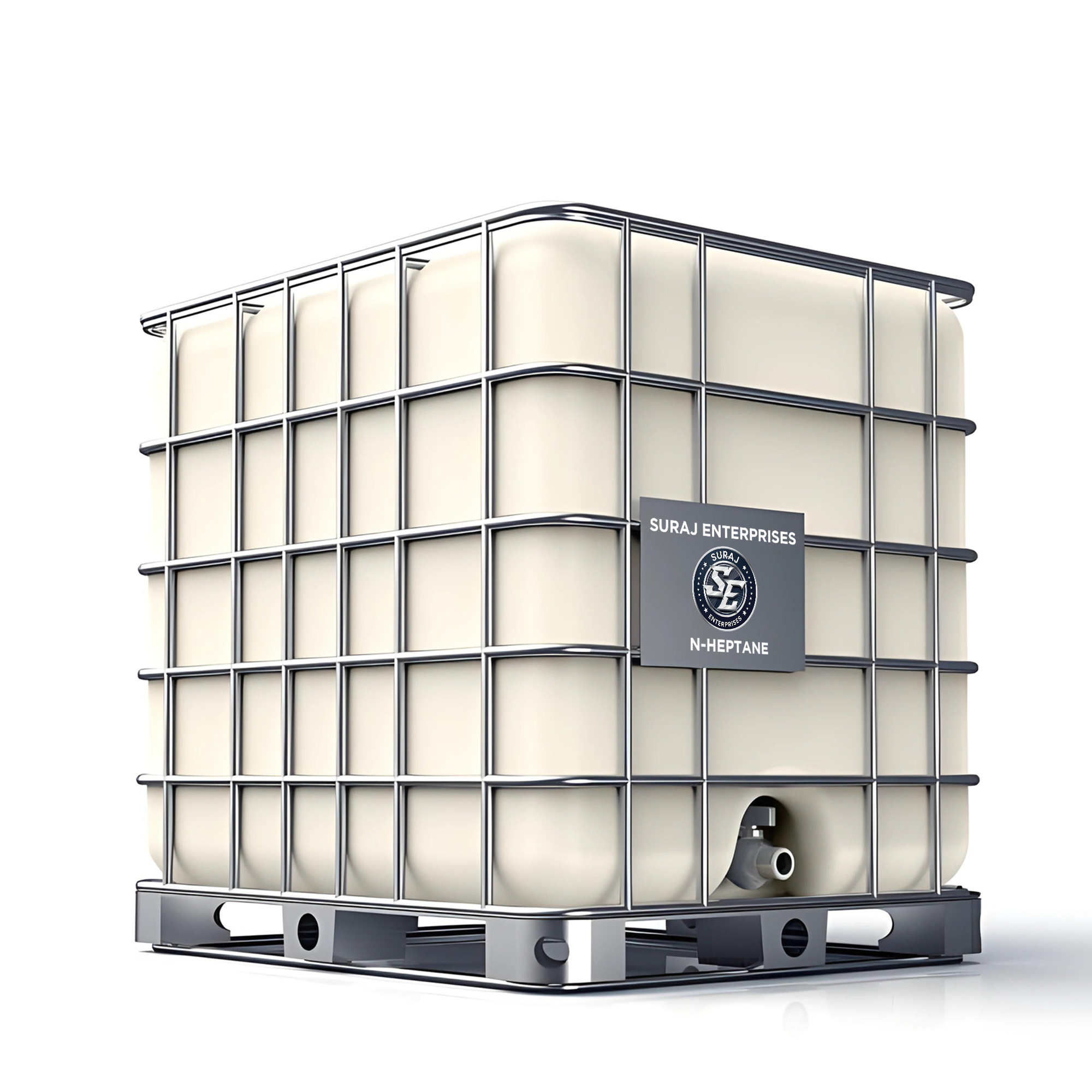
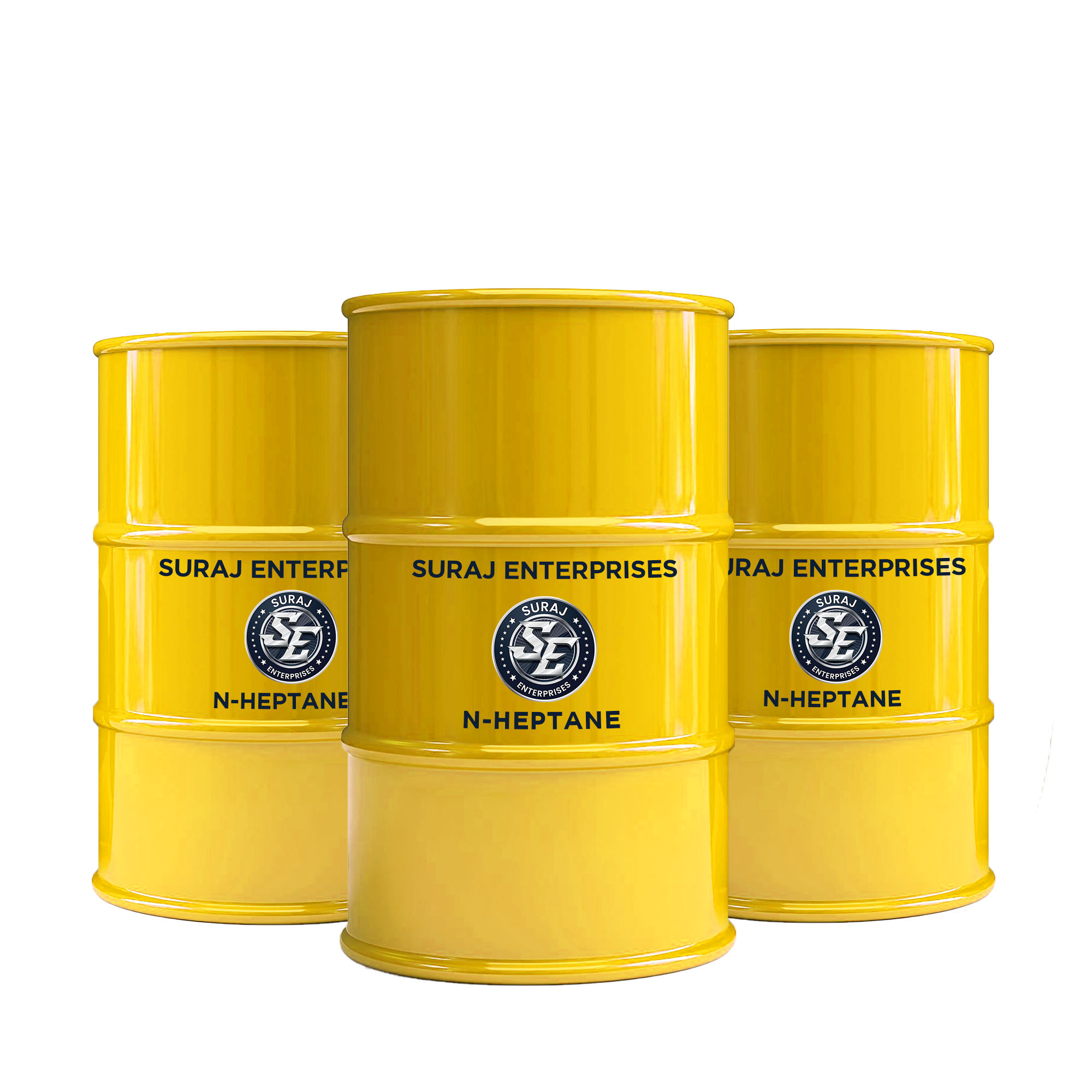
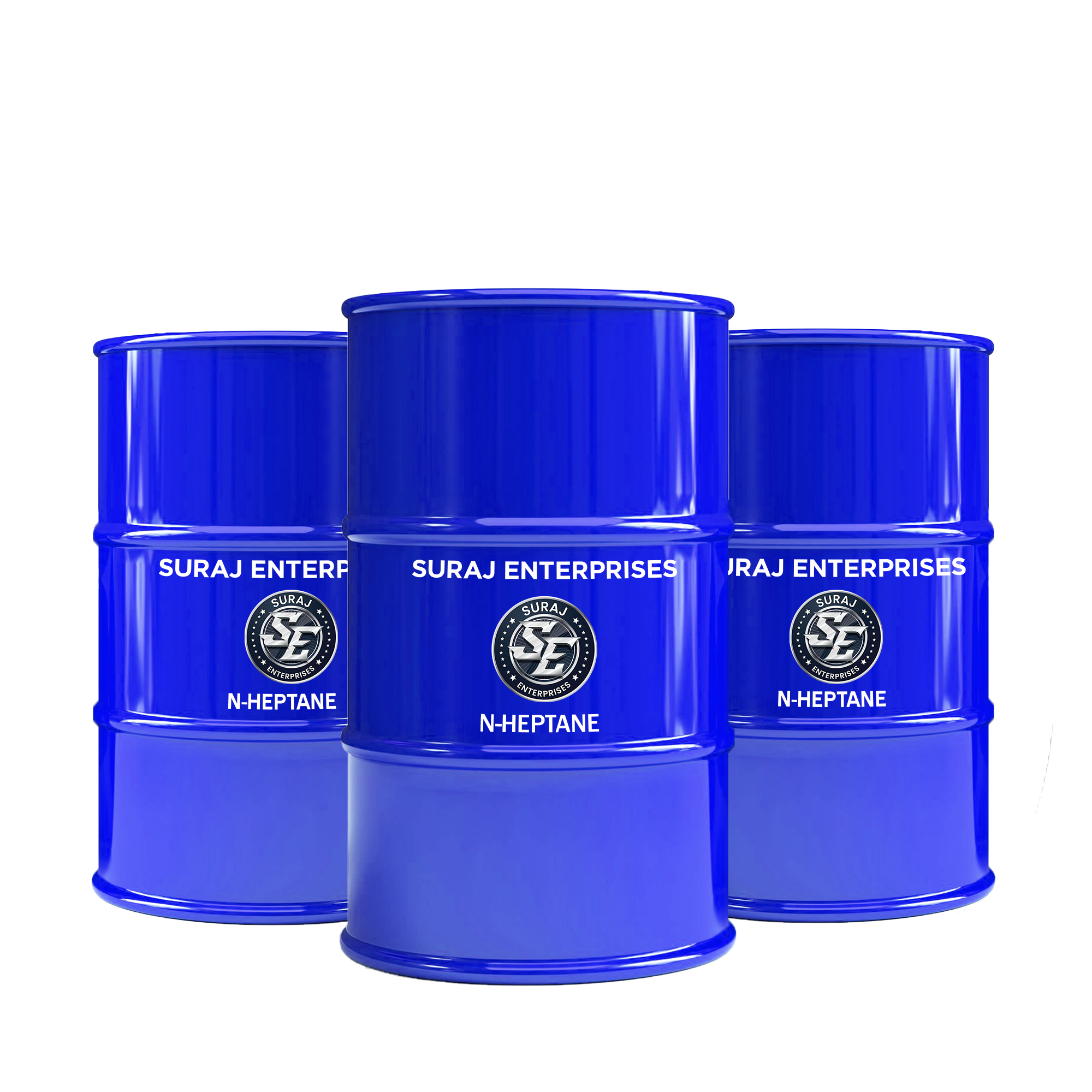
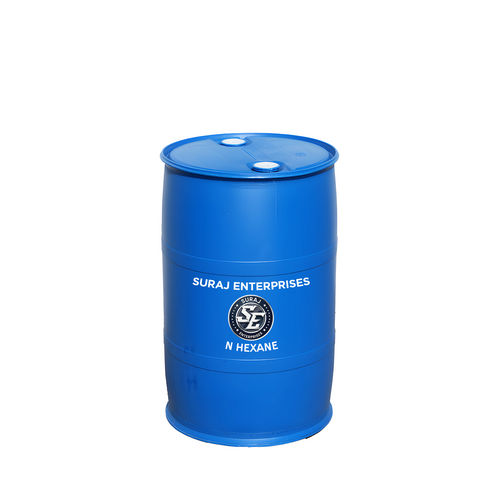
Safety, Storage, and HandlingGiven its flammable nature and potential health hazards, n-Heptane must be handled with care. Storage should be in cool, well-ventilated areas, away from heat and ignition sources. Appropriate personal protective equipment and procedures are advised to minimize exposure and ensure workplace safety. Packaging options include secure drums and bulk containers for easy, compliant handling and transport.
FAQ's of N Heptane:
Q: How should N Heptane be safely stored and transported?
A: N Heptane should be kept in cool, well-ventilated areas, away from heat and ignition sources due to its flammability (flash point: -4C). For transportation, it complies with UN Number 1206 (Class 3, Packing Group II), and is securely packaged in drums or bulk quantities as per industry regulations.
Q: What are the primary applications or benefits of using N Heptane?
A: N Heptane serves as a solvent in industrial and research settings, a laboratory reagent, and a reference fuel for octane rating in fuel testing. Its high purity and predictable physical properties provide reliability in scientific analyses and manufacturing processes.
Q: When is N Heptane typically used in laboratories?
A: N Heptane is commonly utilized in laboratories during analytical procedures, solvent extraction, and in calibration methods, especially for octane rating tests of fuels. It is chosen for its consistent performance and chemical stability.
Q: Where can N Heptane be sourced, and in what packaging formats is it available?
A: N Heptane is available through industrial suppliers and traders in India. Packaging options include secure drums and bulk containers suitable for safe handling and transport in accordance with safety regulations.
Q: What safety precautions are necessary when handling N Heptane?
A: Personal protective equipment, such as gloves and goggles, is essential due to its harmful effects if inhaled or ingested. Working in well-ventilated areas and preventing exposure to heat or open flames are crucial to reduce risks associated with its flammability and vapors.
Q: What process is applied when using N Heptane as a reference fuel?
A: N Heptane is mixed with other hydrocarbons and used in controlled laboratory environments to help determine the octane rating of fuel blends. Its standardized properties allow precise and reproducible fuel quality testing.








 Send Inquiry
 Send Inquiry
 Send SMS


 English
 Spanish
 French
 German
 Italian
 Chinese (Simplified)
 Japanese
 Korean
 Arabic
 Portuguese