Product Description
Mixed Xylene is a mixture of three isomeric compounds: ortho-xylene, meta-xylene, and para-xylene. It is a clear, colorless liquid with a characteristic aromatic odor. Mixed Xylene is primarily derived from the refining of crude oil or the catalytic reforming of naphtha. It is one of the most commonly used solvents in various industrial applications due to its excellent solvent properties and relatively low toxicity. Mixed Xylene finds extensive use as a solvent in the formulation of paints, coatings, adhesives, and varnishes, where it aids in the dispersion of resins, pigments, and additives. It is also utilized as a raw material in the production of plasticizers, polyester fibers, and herbicides. Additionally, Mixed Xylene serves as a feedstock in the manufacture of various chemicals, including terephthalic acid, which is used in the production of polyethylene terephthalate (PET) resin for beverage bottles and packaging. However, it should be handled with care as prolonged or repeated exposure may cause irritation to the skin, eyes, and respiratory tract. Mixed Xylene is classified as a hazardous chemical, and proper safety precautions, including the use of personal protective equipment and adequate ventilation, should be observed when working with this compoundVersatile Solvent for Industrial ApplicationsMixed Xylene is prized in the paint, rubber, and printing industries for its excellent solvency and compatibility with organic compounds. It is also a key ingredient in the synthesis of dyes and chemicals, making it indispensable for many manufacturers seeking efficiency and quality in their processes.
Safe Handling and Storage GuidelinesGiven its flammability and toxicity, Mixed Xylene should be stored in tightly closed containers within cool, dry, well-ventilated areas. Correct storage extends its shelf life to 12 months and minimizes both personal and environmental risks during industrial use.
Environmental and Regulatory ComplianceDue to its classification as hazardous to aquatic environments and its poisonous nature, strict adherence to environmental safety regulations during transport, storage, and disposal is mandatory. The product is supplied under UN 1307 and adheres to industry standards for quality and safety.
FAQ's of Mixed Xylene:
Q: How should Mixed Xylene be safely stored and handled?
A: Mixed Xylene must be kept in tightly closed containers, stored in cool, dry, and well-ventilated spaces away from ignition sources. Due to its flammability and toxicity, personal protective equipment such as gloves, goggles, and respirators should be used when handling.
Q: What are the primary industrial applications of Mixed Xylene?
A: Mixed Xylene is predominantly utilized as a solvent in the paint, rubber, and printing industries. It is also a raw material in the production of dyes and chemicals, providing solubility and process efficiency in these fields.
Q: When does Mixed Xylene become hazardous, and what precautions are recommended?
A: Mixed Xylene is hazardous when exposed to open flames or intense heat due to its low flash point (25C) and high vapor pressure. Adequate ventilation, avoidance of ignition sources, and proper spill containment are crucial precautions.
Q: Where is Mixed Xylene commonly supplied and in what packaging options?
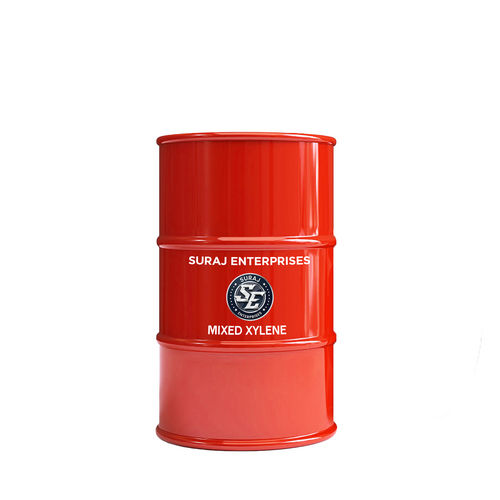
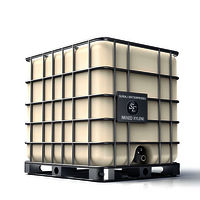
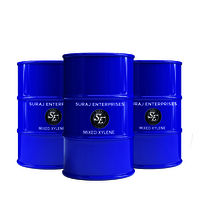
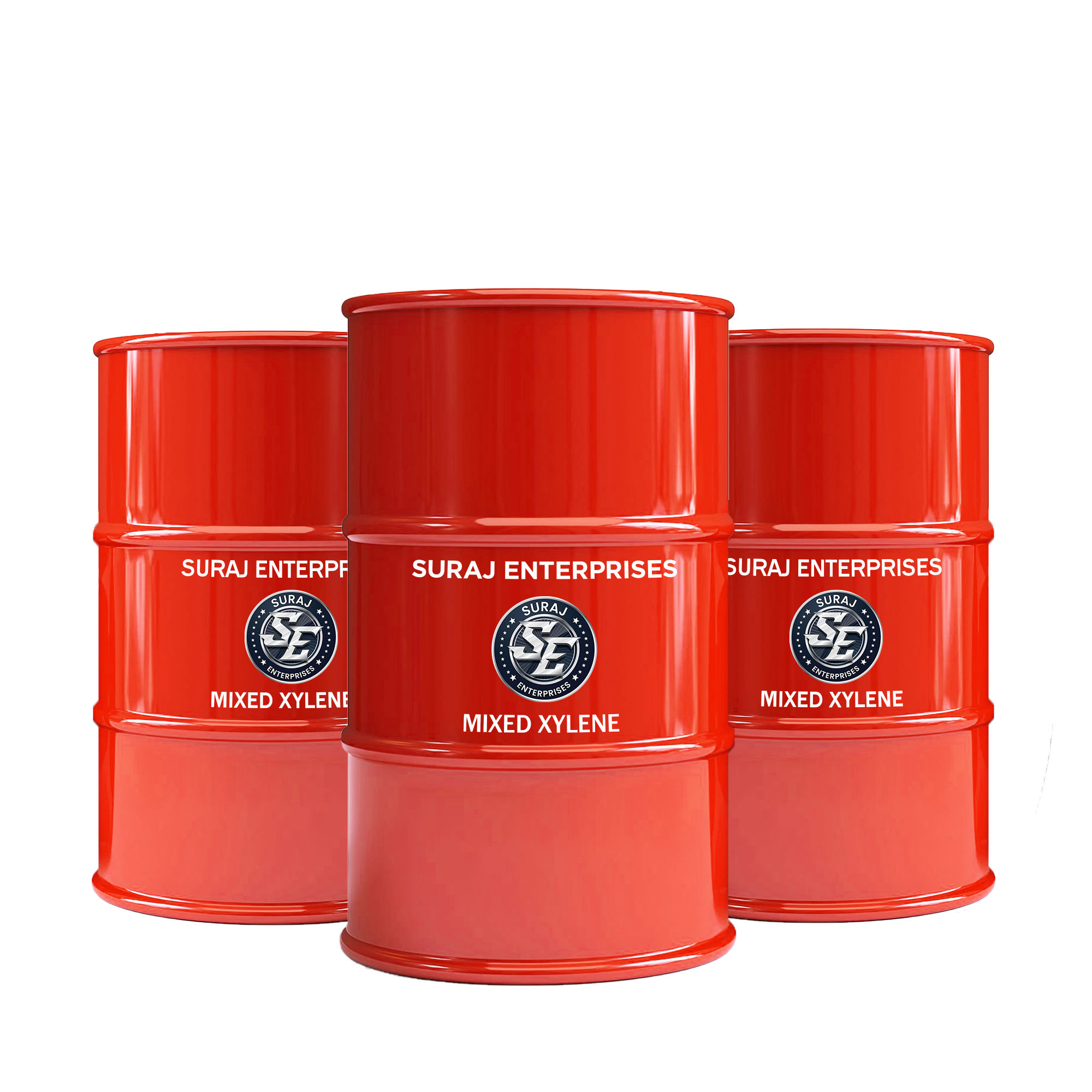
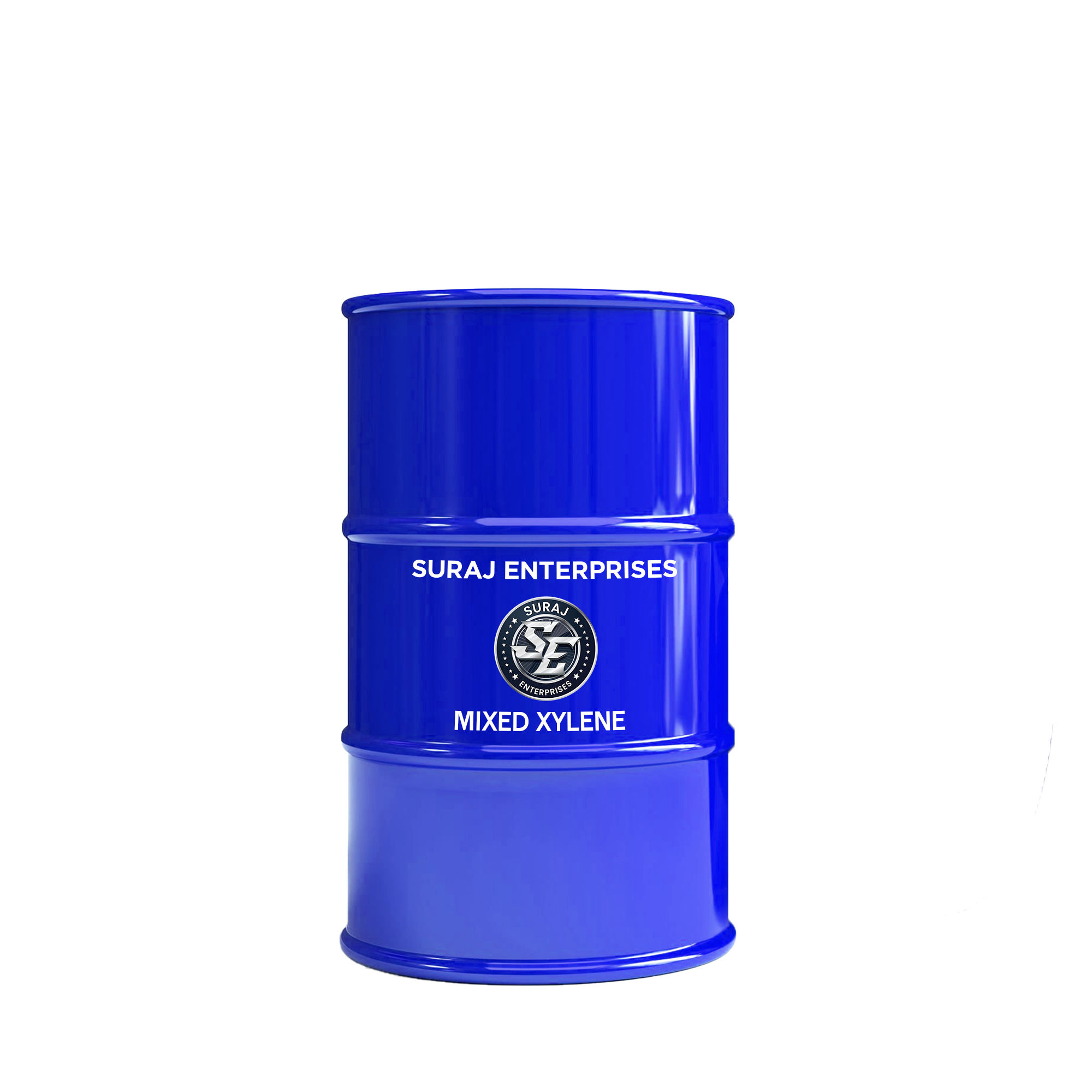
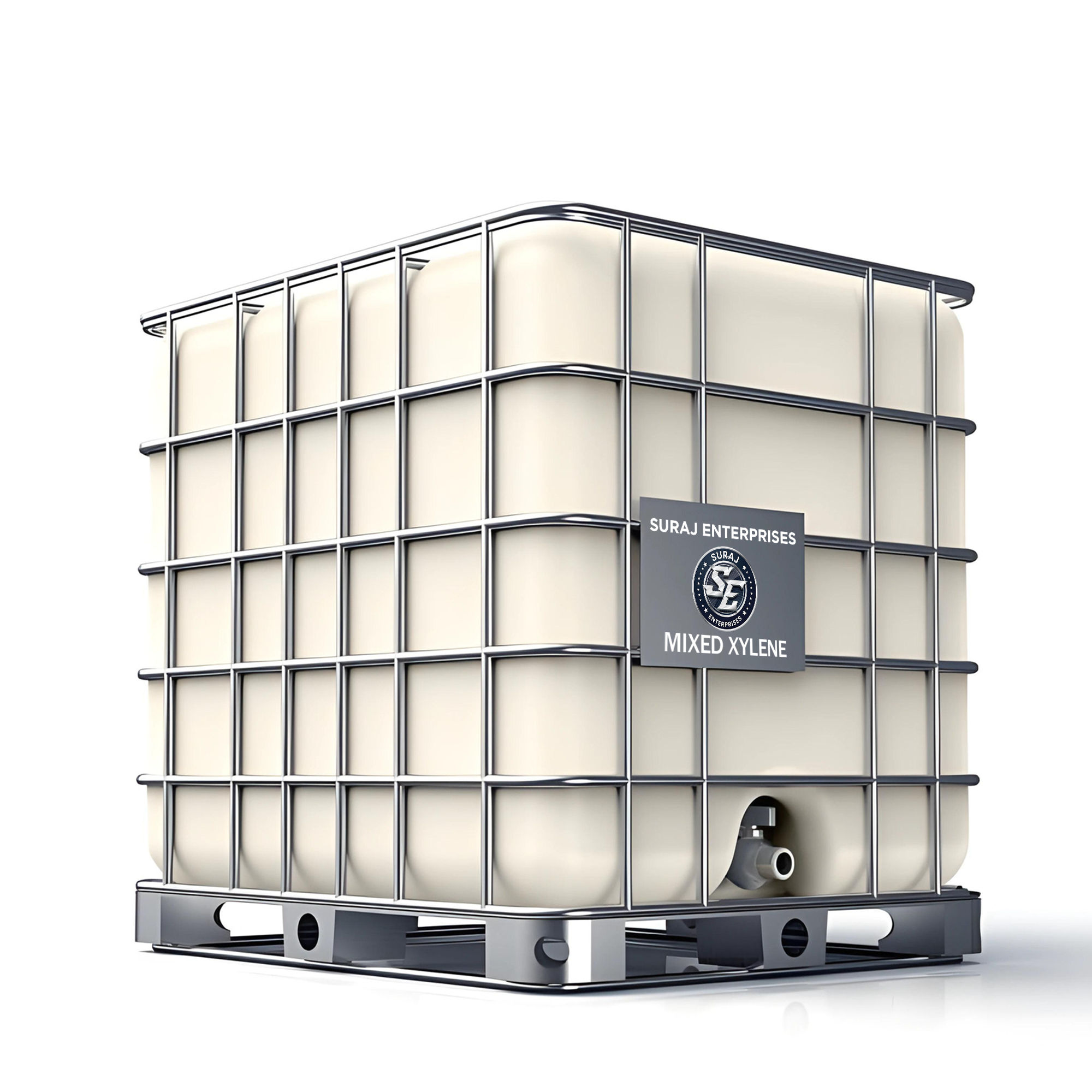
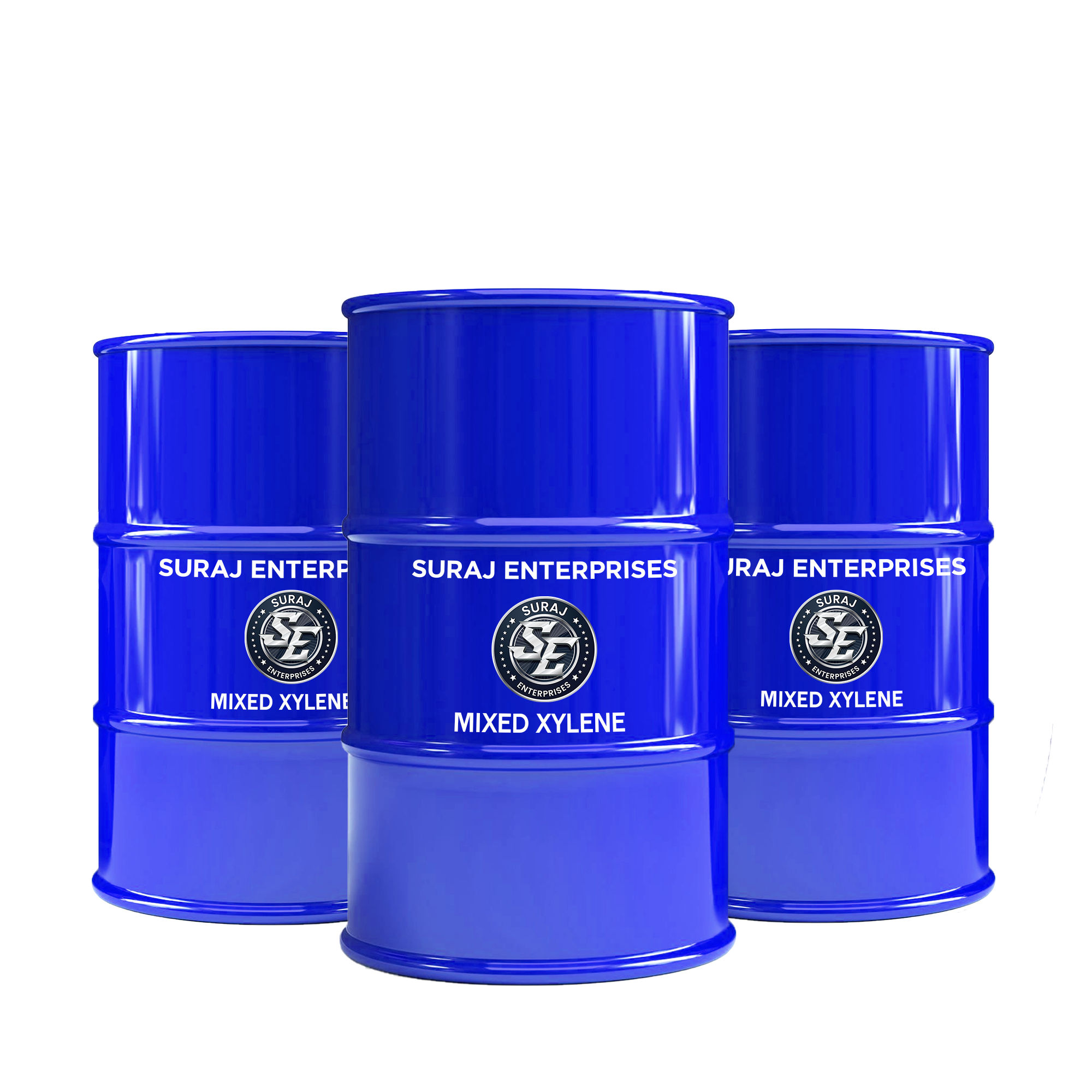
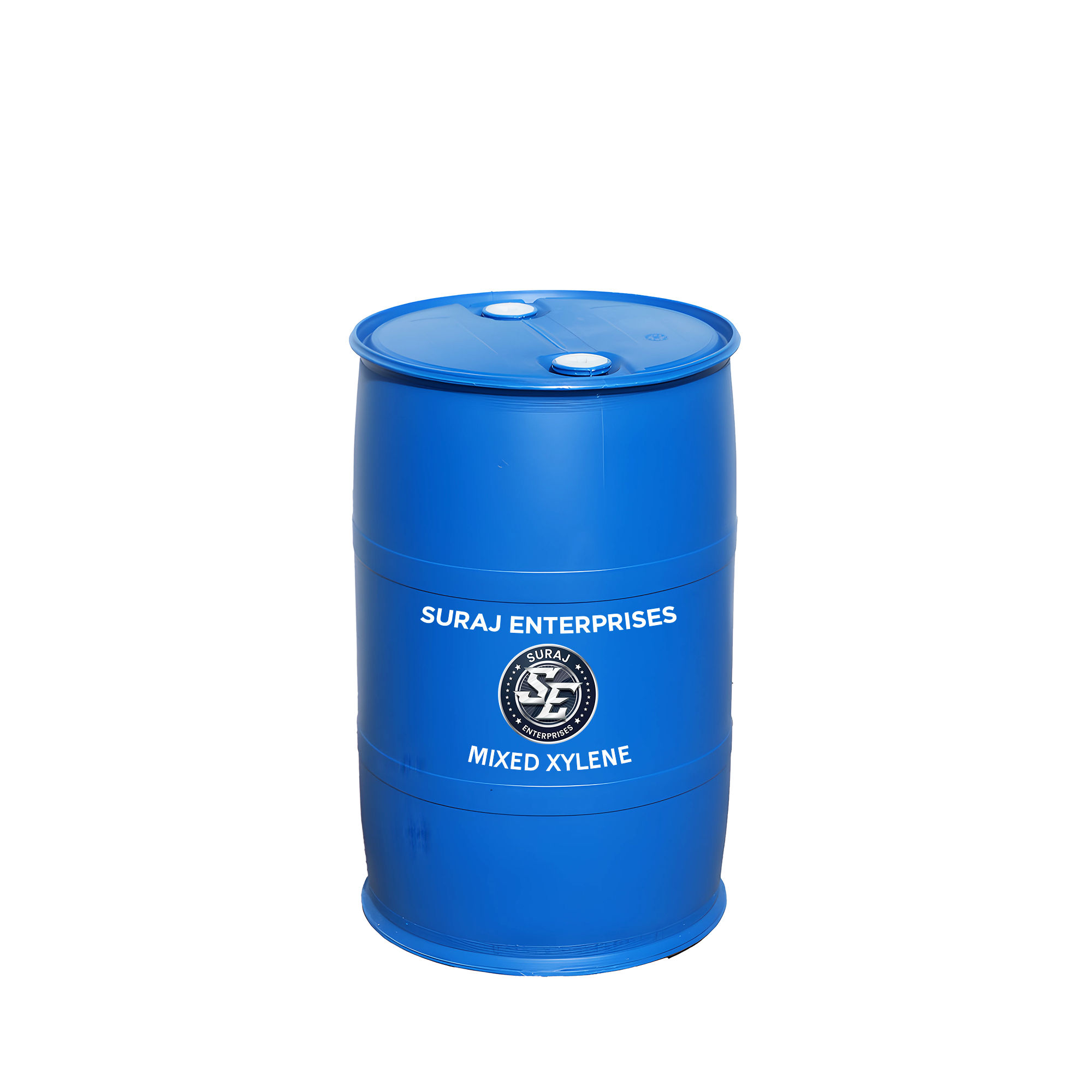
A: In India, Mixed Xylene is supplied by traders and manufacturers in packaging options such as barrels, drums, ISO tanks, or bulk, depending on the volume and customer requirements.
Q: What is the process for safe disposal of Mixed Xylene?
A: Due to its environmental hazards, Mixed Xylene disposal must comply with local regulations. It should never enter drains or watercourses. Consult certified waste disposal services specializing in hazardous industrial chemicals.
Q: How can industries benefit from using Mixed Xylene?
A: Industries benefit from Mixed Xylene's strong solvency, high purity, and compatibility with organic materials, which improve the quality and efficiency of paint formulations, rubber processing, and ink production.








 Send Inquiry
 Send Inquiry
 Send SMS


 English
 Spanish
 French
 German
 Italian
 Chinese (Simplified)
 Japanese
 Korean
 Arabic
 Portuguese