Product Description
n-Butanol, also known as Normal Butanol, is a clear, colorless liquid with a characteristic alcoholic odor. It is a primary alcohol commonly used as a solvent, intermediate, and chemical feedstock in various industrial applications. n-Butanol is typically produced through the catalytic hydrogenation of butyraldehyde or the fermentation of sugars by yeast. It is valued for its solvency power, low volatility, and ability to dissolve a wide range of organic compounds. n-Butanol finds extensive use as a solvent in the formulation of paints, coatings, varnishes, adhesives, and inks, where it aids in the dispersion of resins, pigments, and additives. It is also utilized as a raw material in the production of plasticizers, pharmaceuticals, and flavors. Additionally, n-Butanol serves as a fuel additive, extracting agent, and chemical intermediate in various chemical processes. However, it should be handled with care as prolonged or repeated exposure may cause irritation to the skin, eyes, and respiratory tract. n-Butanol is classified as a hazardous chemical, and proper safety precautions, including the use of personal protective equipment and adequate ventilation, should be observed when working with this compound.Safety and HandlingN-Butanol is classified as a flammable liquid and vapor, and can be harmful if swallowed or inhaled. Always store the product in a cool, dry, and well-ventilated area, away from ignition sources. It is important to use appropriate protective equipment during handling, and follow local safety regulations to prevent accidents. Avoid direct contact and inhalation by working in well-ventilated spaces or using proper extraction systems.
Industrial ApplicationsN-Butanol serves as a versatile solvent and chemical intermediate across multiple industries, including pharmaceuticals, coatings, resins, plastics, lubricants, and the manufacturing of dyes and esters. Its compatibility with other solvents like ethanol and ether, coupled with its stable performance, makes it a valuable component in various chemical processes and formulations.
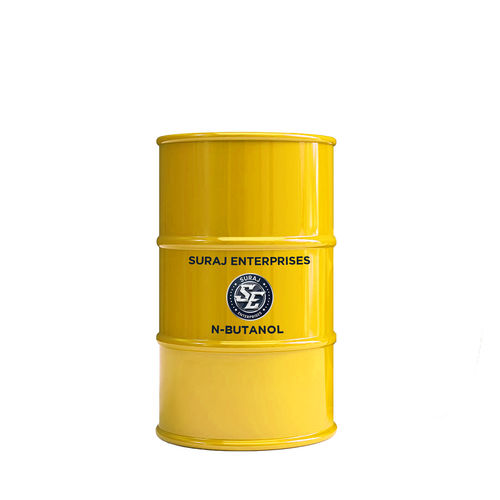
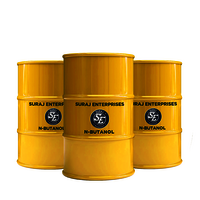
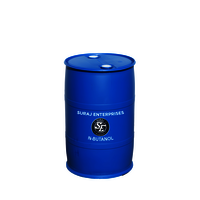
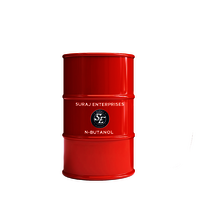
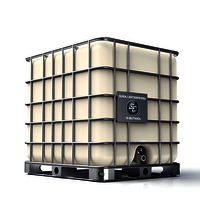
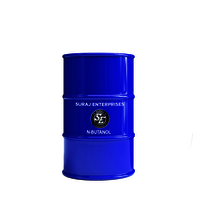
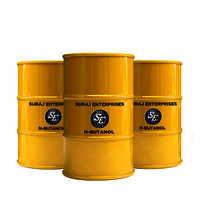
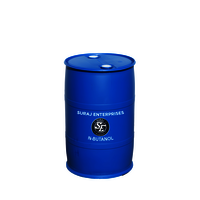
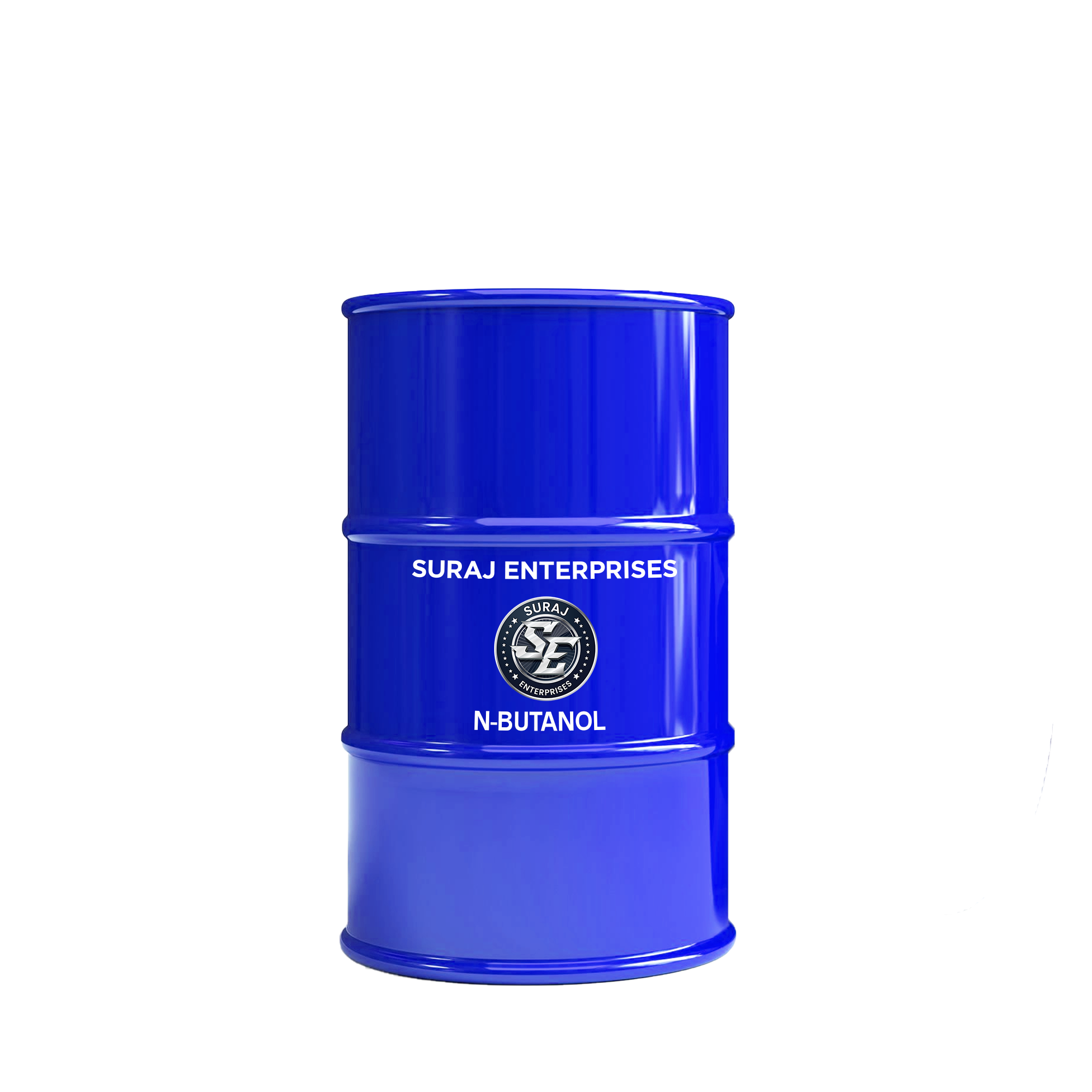
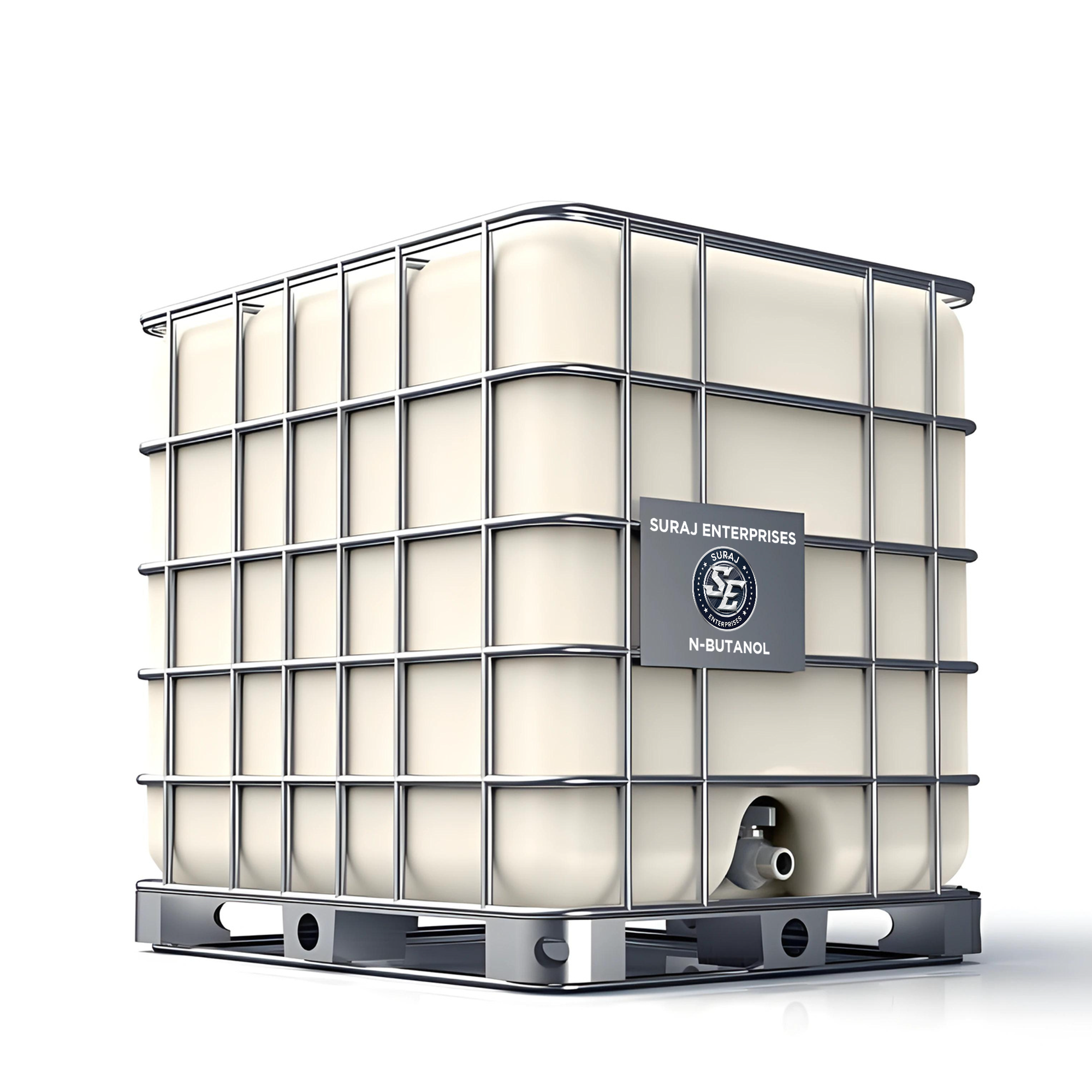
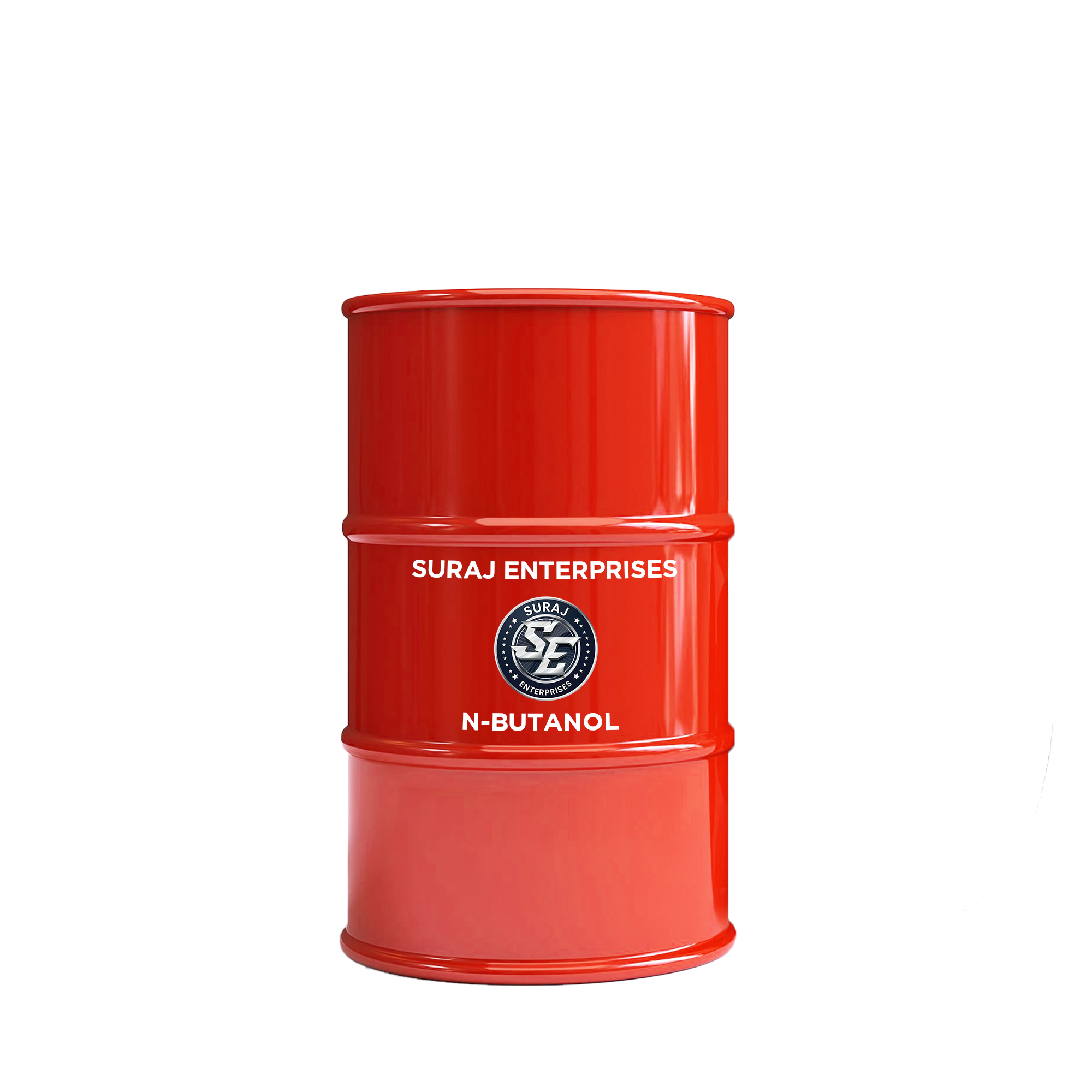
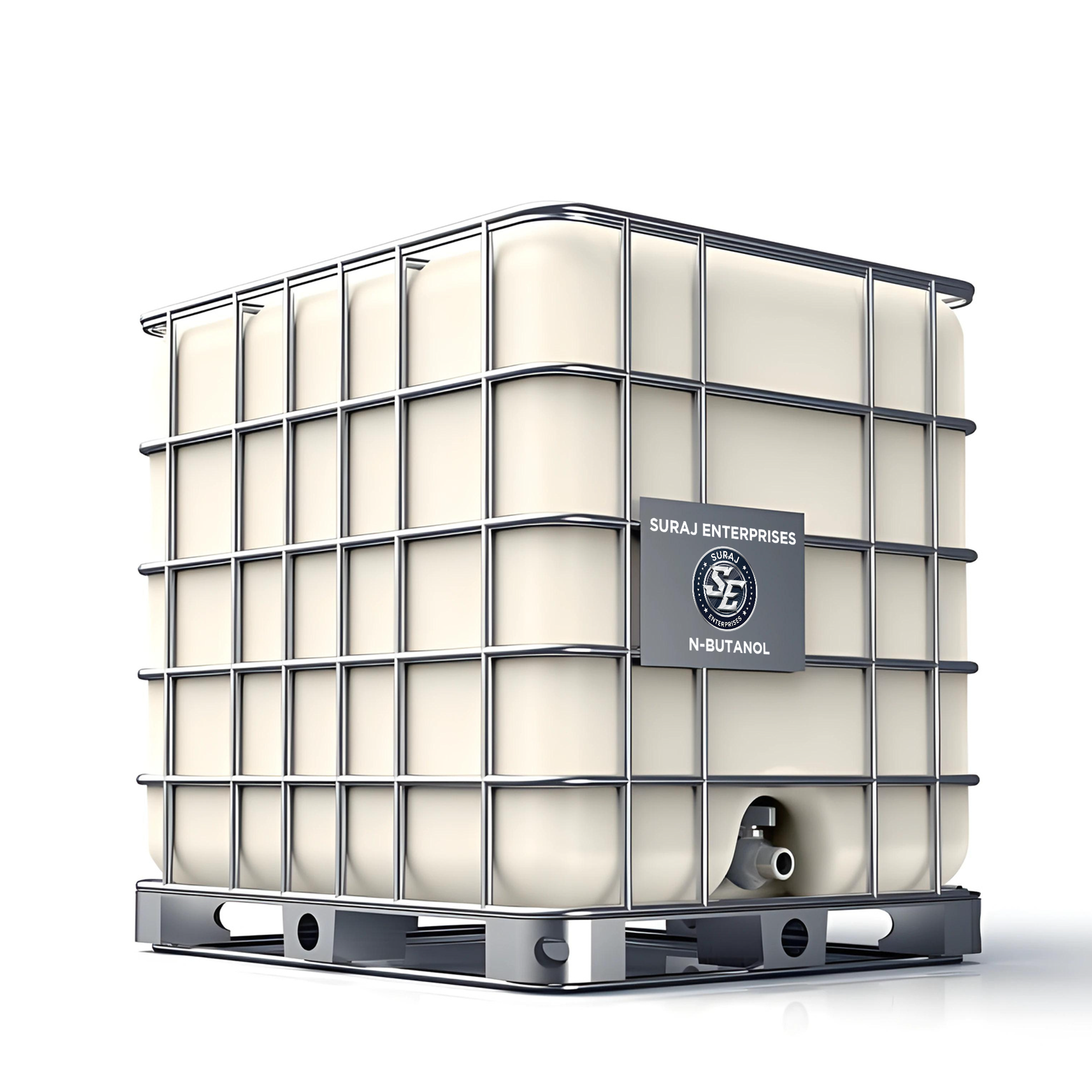
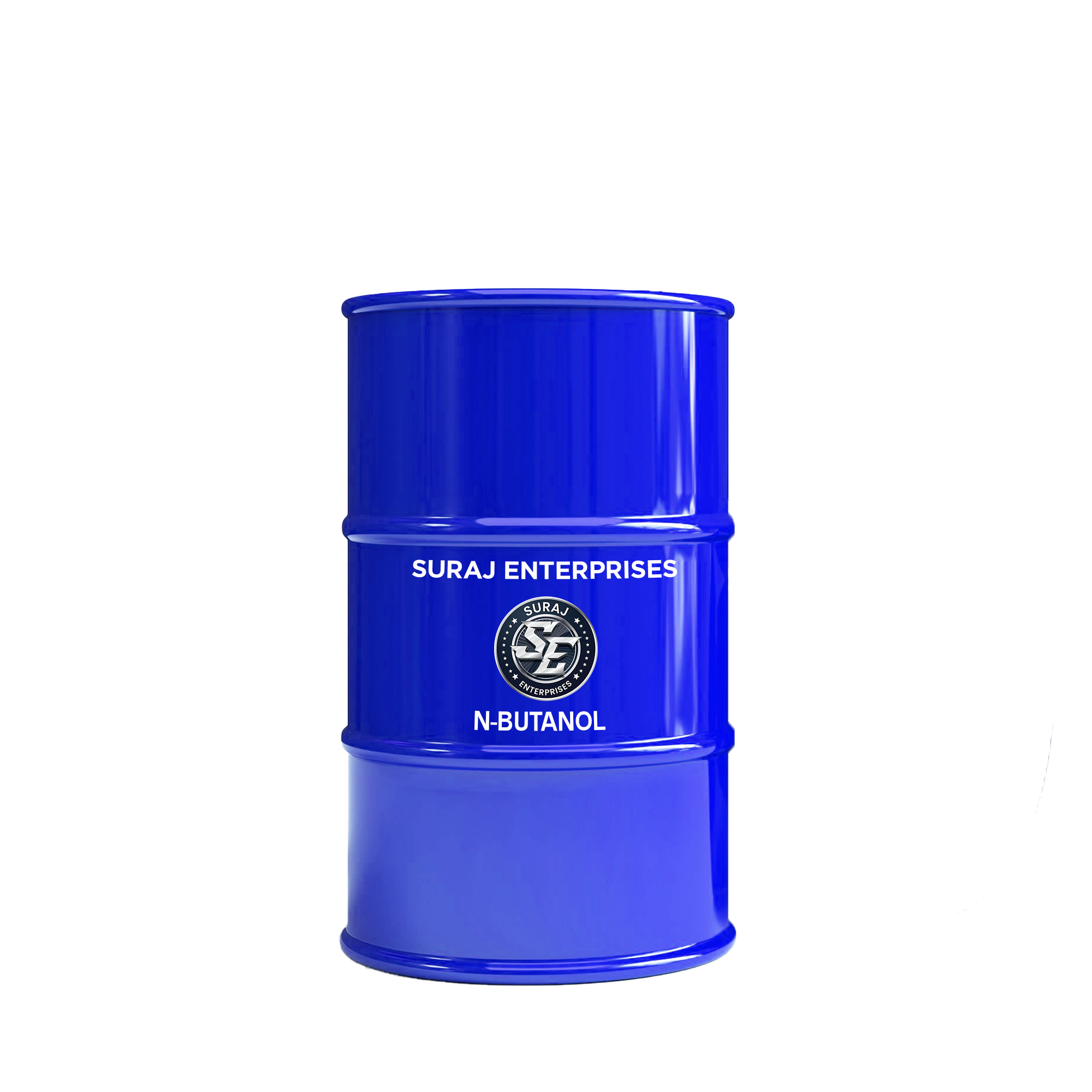
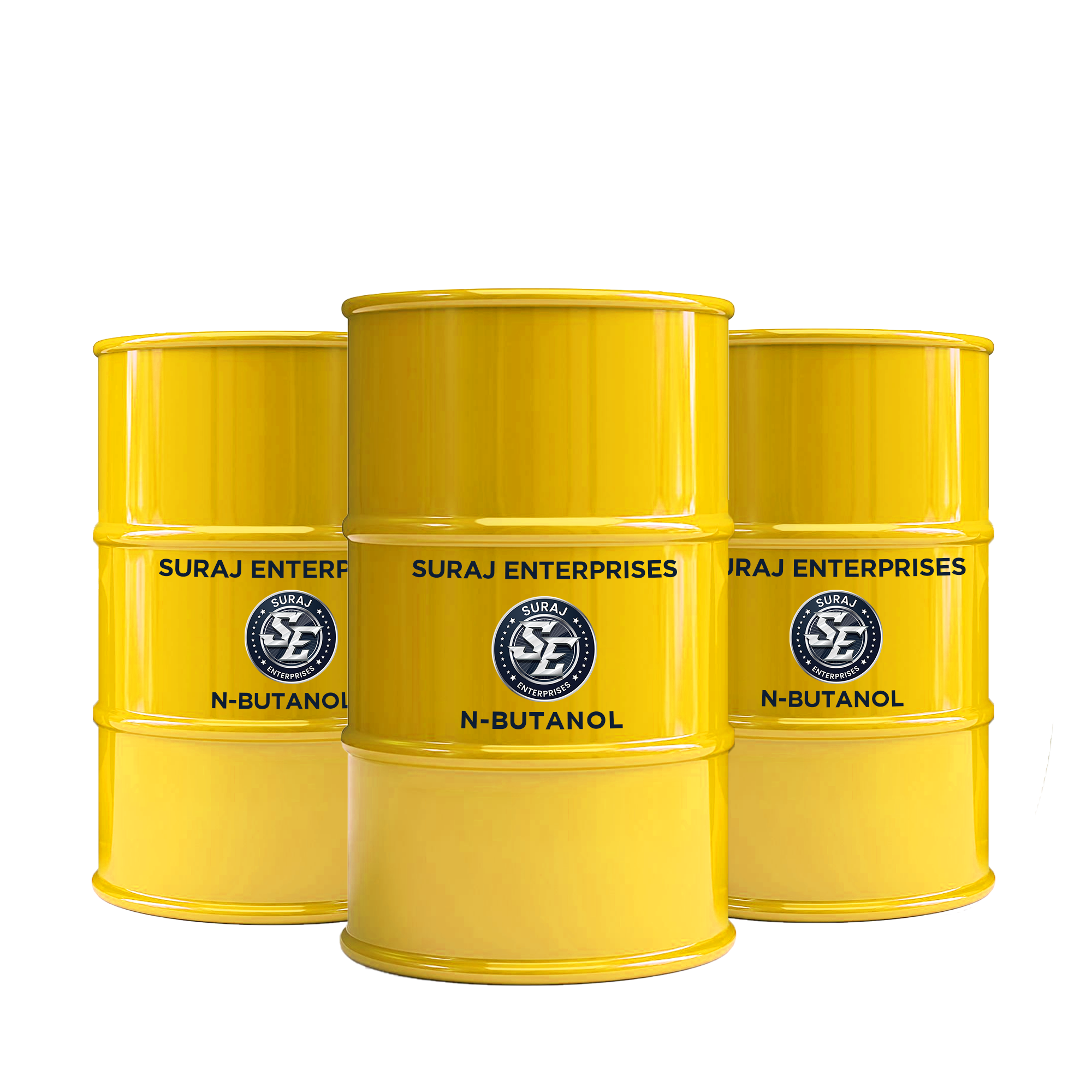
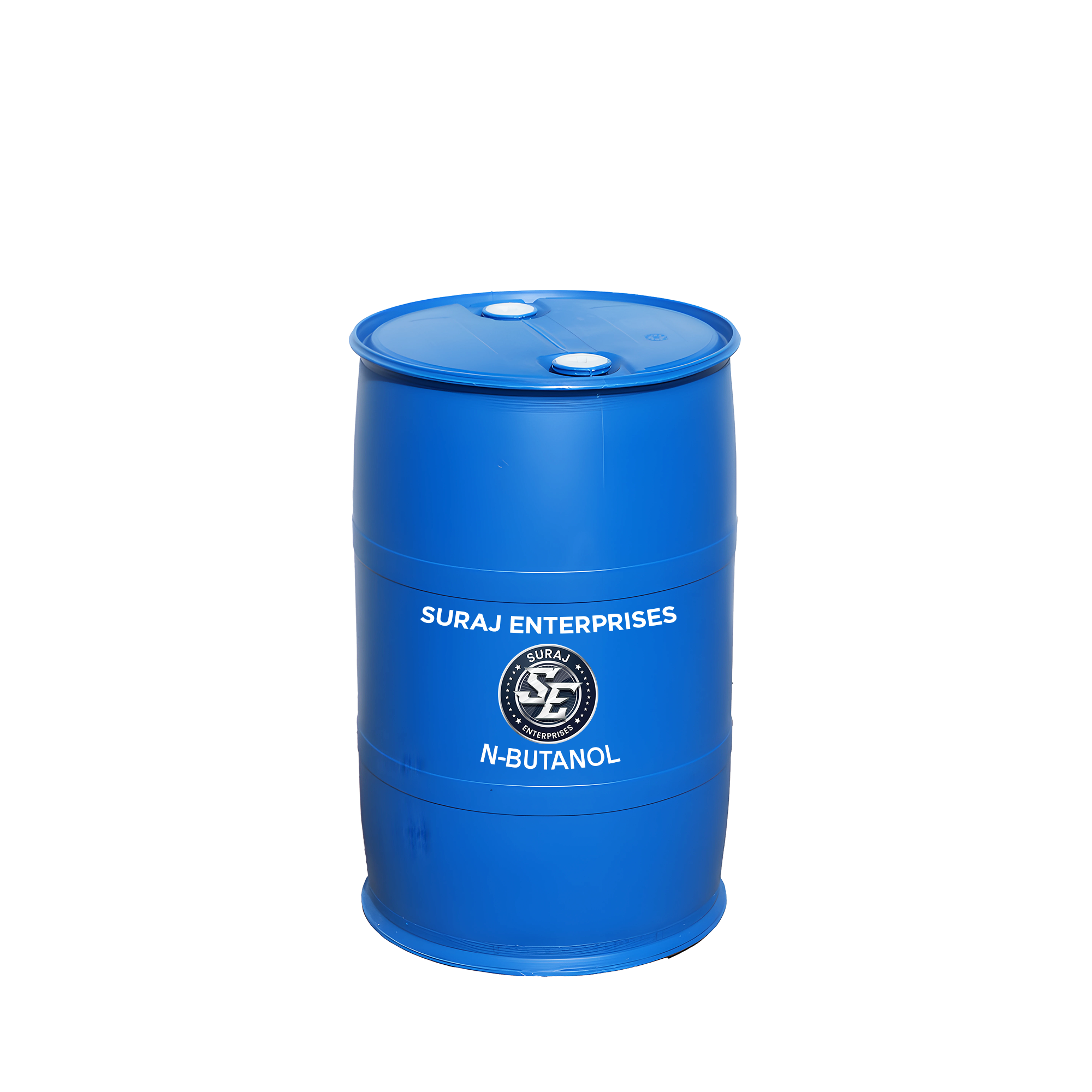
Storage and PackagingFor optimal quality retention, store n-Butanol in tightly sealed containers such as drums, IBC tanks, or bulk storage systems. Keep the storage area well-ventilated, dry, and cool, strictly away from sources of heat or open flames. When stored under recommended conditions, n-Butanol maintains a shelf life of up to 24 months, ensuring reliability and consistent performance for industrial users.
FAQ's of N Butanol:
Q: How should N-Butanol be stored to ensure safety and product stability?
A: N-Butanol should be stored in tightly sealed drums, IBC tanks, or bulk containers in a cool, dry, well-ventilated area, away from any heat sources or open flames. Adhering to these storage guidelines helps maintain product stability and safety for up to 24 months.
Q: What are the common industrial applications of N-Butanol?
A: N-Butanol is widely used as a solvent, a chemical intermediate, and a raw material in the production of esters, coating resins, plastics, lubricants, dyes, and pharmaceuticals. Its properties make it adaptable for various industrial and laboratory processes.
Q: When is N-Butanol most effective as a solvent in manufacturing processes?
A: N-Butanol is particularly effective as a solvent when dealing with organic compounds that require dissolution in non-aqueous media, such as coatings, adhesives, inks, and synthetic resins. Its compatibility with many organic solvents further broadens its usage.
Q: Where can N-Butanol be sourced in India for industrial use?
A: N-Butanol is available through reputable chemical suppliers and traders across India who provide industrial-grade material in compliance with standards like GB/T 6789-2002 or ASTM D1157, and ship it in secure packaging such as drums or IBC tanks.
Q: What processes benefit from the use of N-Butanol as a raw material?
A: Processes including the synthesis of esters, production of specialty coatings, resins, plasticizers, lubricants, and dyes benefit significantly from using N-Butanol due to its high purity, stability, and effective solvent properties.
Q: How is N-Butanol safely utilized in laboratory settings?
A: In laboratories, N-Butanol should be handled in a fume hood or well-ventilated area while wearing appropriate personal protective equipment such as gloves, goggles, and lab coats. Strict adherence to chemical safety protocols is recommended due to its flammability and potential health hazards.
Q: What are the main benefits of choosing N-Butanol for industrial applications?
A: N-Butanol's benefits include its high solvency, compatibility with organics, stable performance, and versatility in chemical synthesis and formulation processes. It supports efficient production across various industries, from coatings to pharmaceuticals.








 Send Inquiry
 Send Inquiry
 Send SMS


 English
 Spanish
 French
 German
 Italian
 Chinese (Simplified)
 Japanese
 Korean
 Arabic
 Portuguese