Product Description
Diethyl Phthalate is an organic compoundwidely used as a plasticizer in the production of various polymer materials,including PVC, cellulose acetate, and rubber. It is a clear, colorless liquidwith a faint, characteristic odor. Diethyl Phthalate functions by softening andincreasing the flexibility of polymers, thereby improving their processabilityand end-use properties. Its solubility in organic solvents and low volatilitymake it an effective plasticizer for a wide range of applications, including automotiveparts, cables, flooring, and packaging materials. Additionally, DiethylPhthalate finds use as a solvent for perfumes, cosmetics, and personal careproducts. Despite its widespread use, there are concerns about its potentialhealth and environmental impacts, leading to regulatory scrutiny and efforts tofind safer alternatives. However, due to its effectiveness and cost-efficiency,Diethyl Phthalate remains a significant component in many plastic and polymerformulations.
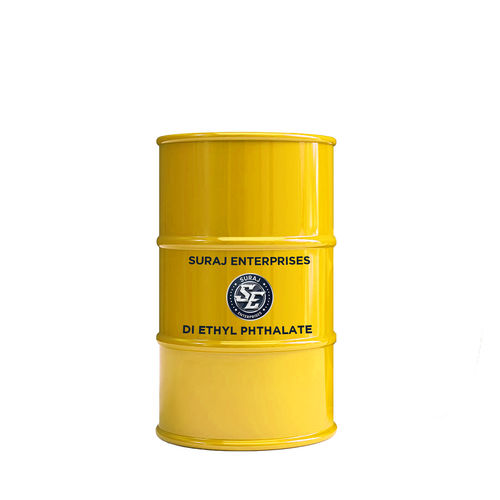
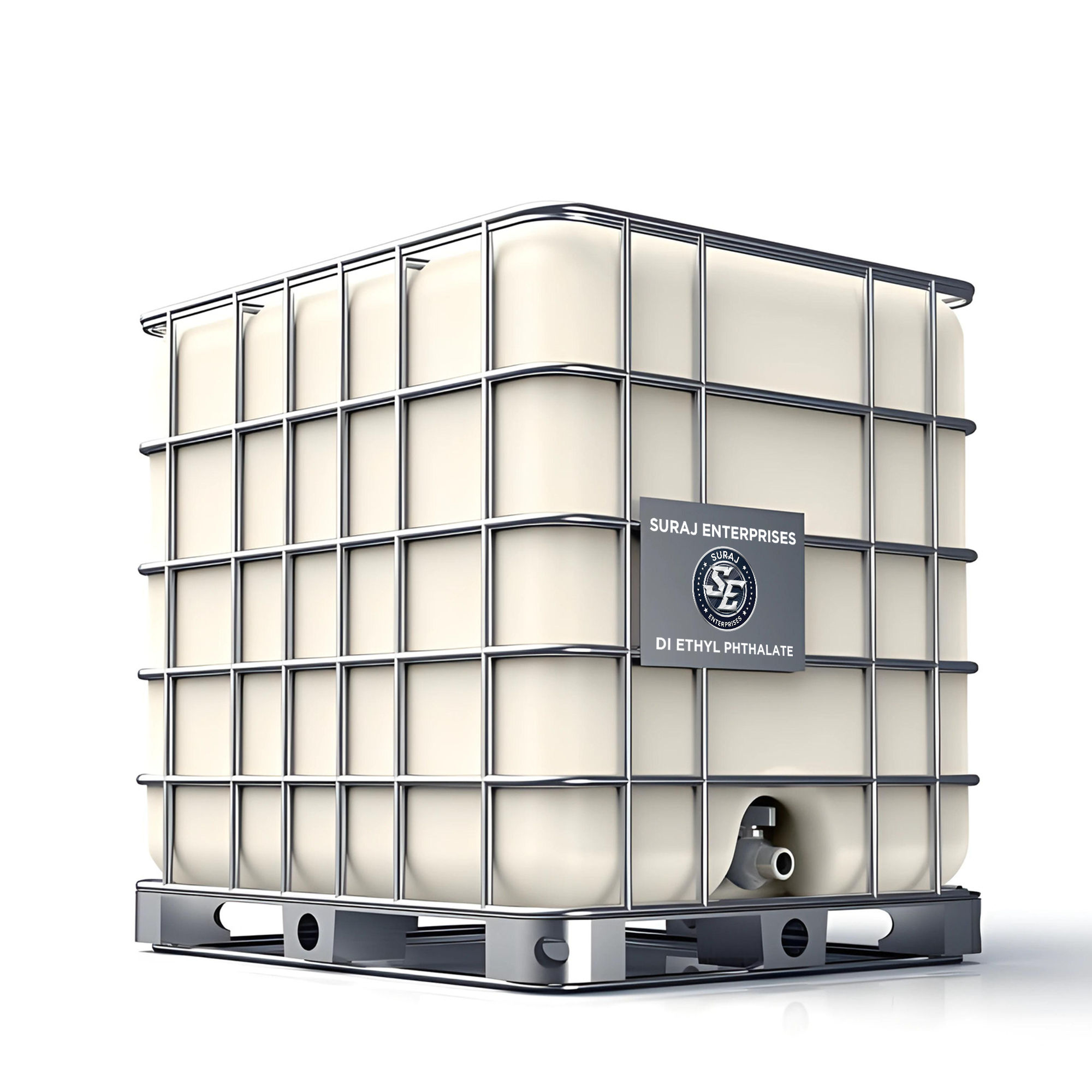
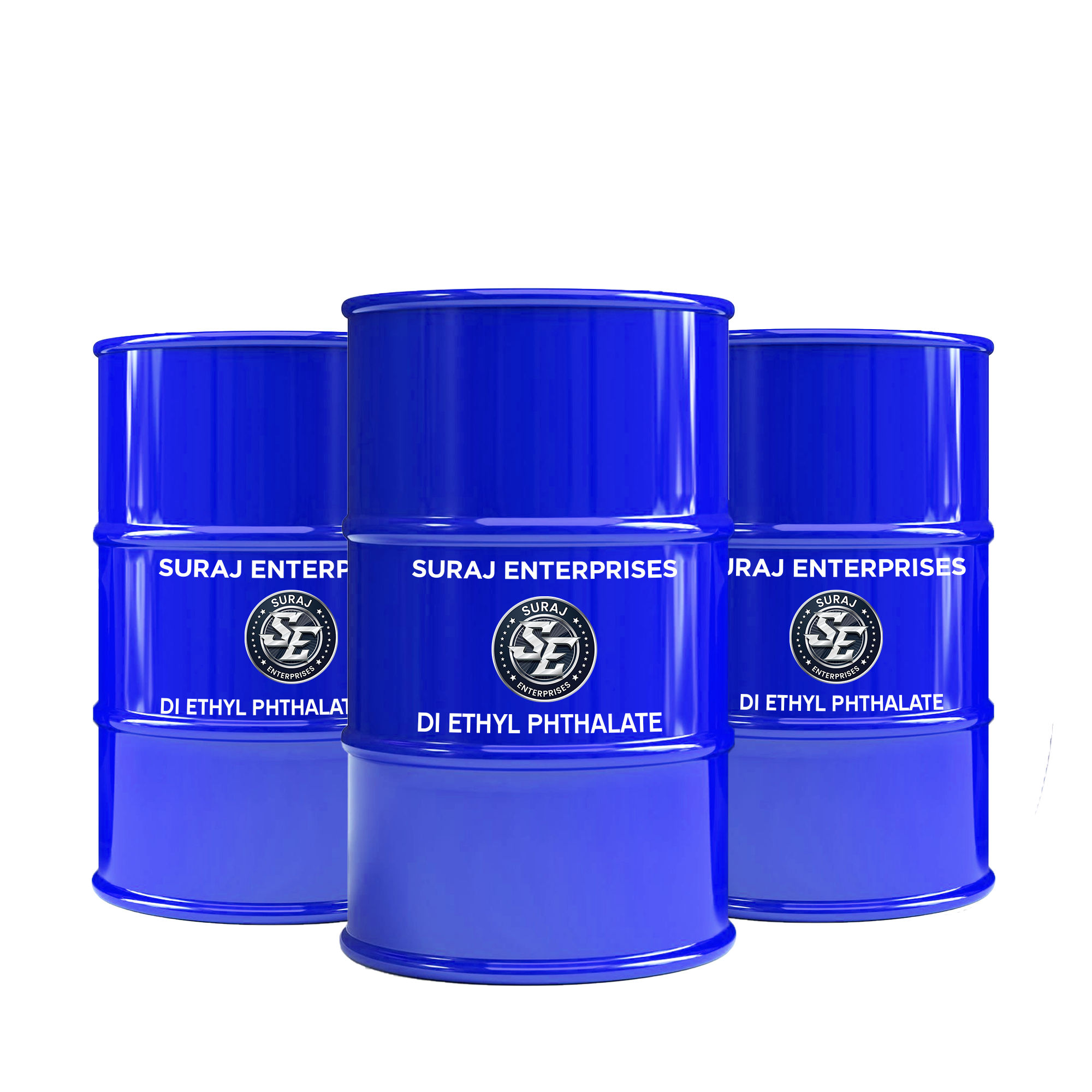
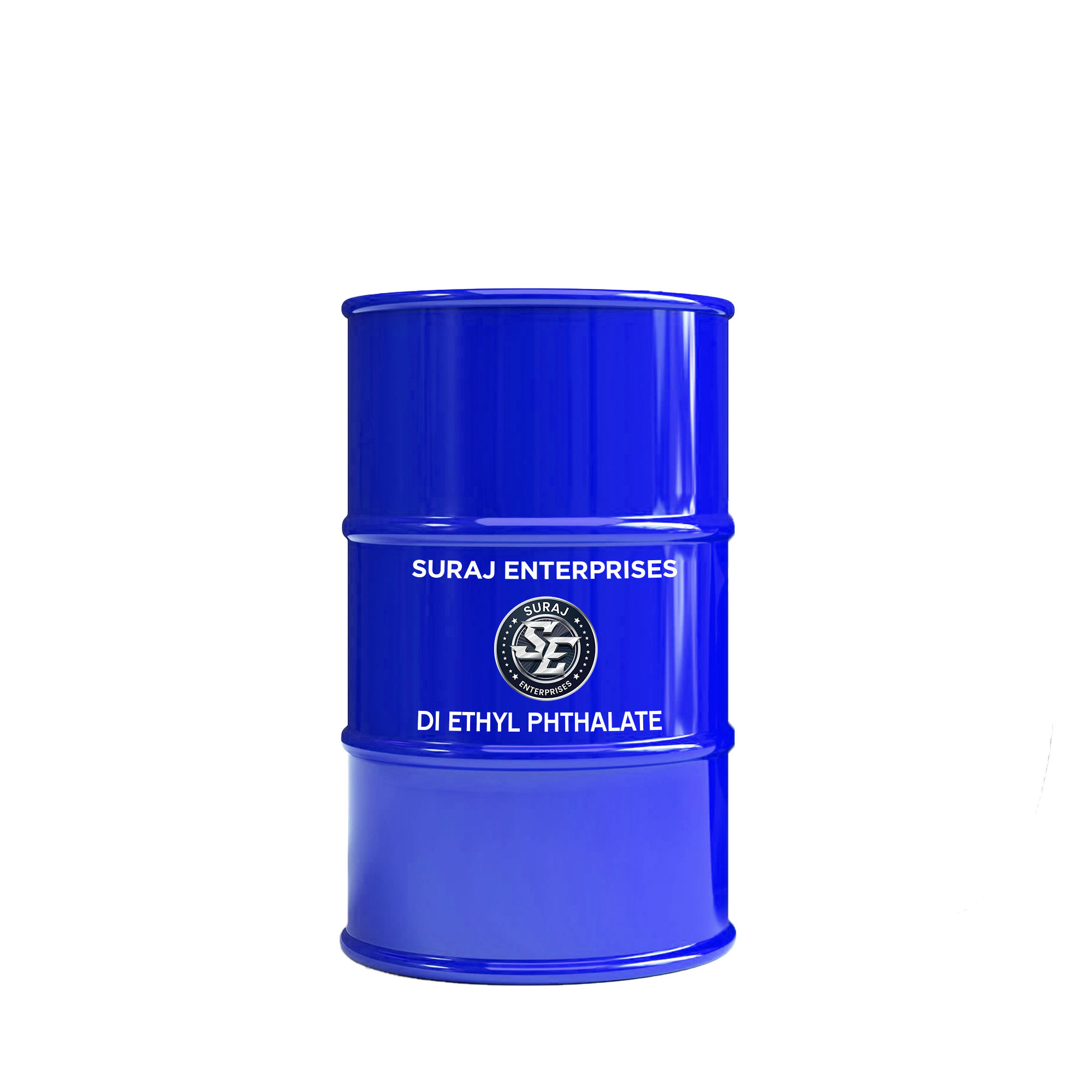
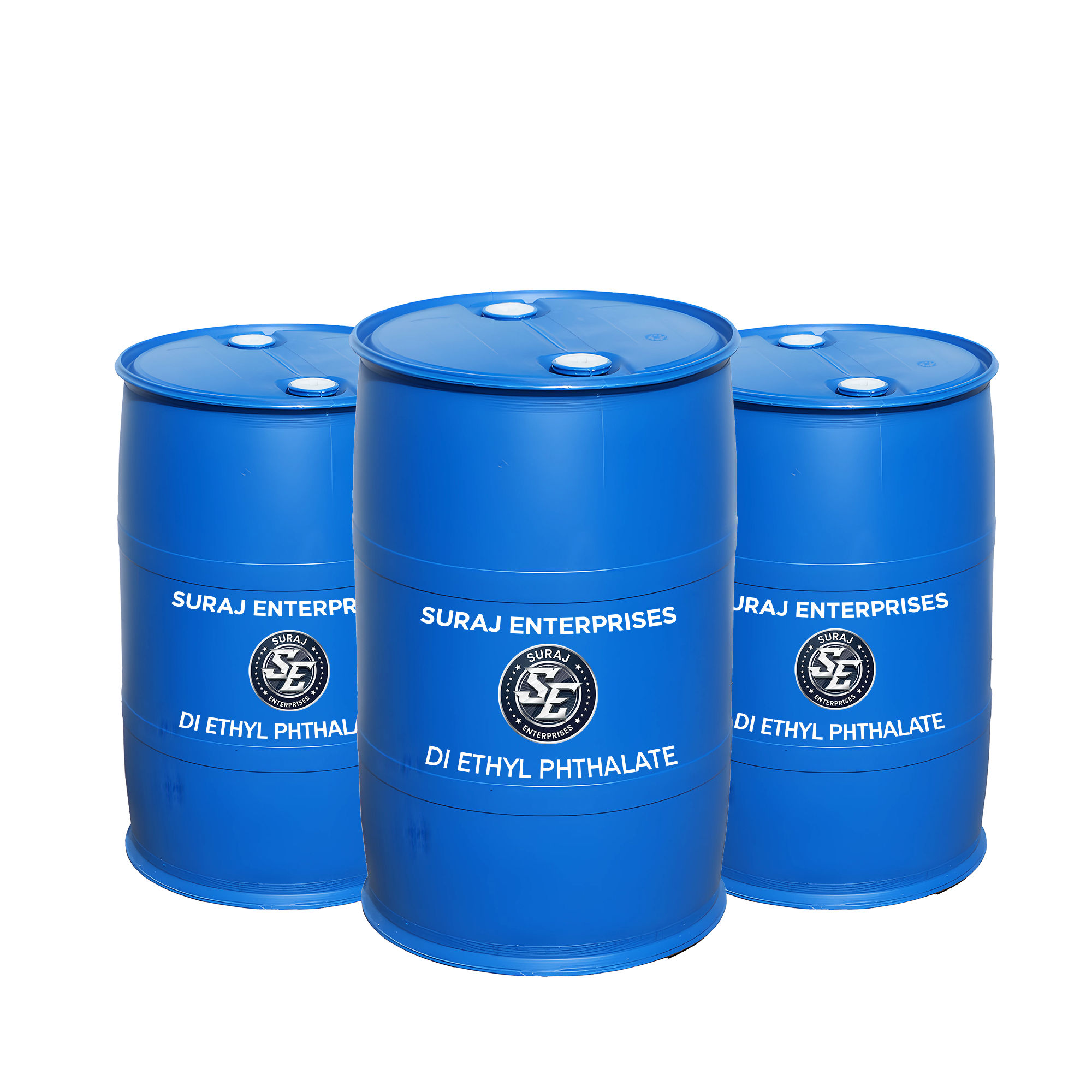
Key Physical and Chemical PropertiesDiethyl Phthalate stands out with its clarity, non-poisonous profile, and faint aromatic odor. It boasts a stable shelf life of two years and is supplied in 250 kg HDPE drums for safe handling. Its melting point is -25C, density is 1.12 g/cm3, and it exhibits a neutral pH level. Low vapor pressure and high flash point enhance its safety during industrial use.
Industrial Applications and CompatibilityDEP is highly valued as a plasticizer in manufacturing cellulose acetate, a variety of plastics, rubber materials, paints, and inks. Its high compatibility with most resins and plastics increases product flexibility and durability. Additionally, its capacity to dissolve in organic solvents supports versatile processing in multiple industrial sectors.
Safe Handling, Storage and Environmental ConsiderationsDEP should be stored in tightly sealed containers at cool, dry locations to maintain its stability and effectiveness. It conforms with industrial safety standards and, due to its non-poisonous nature, poses minimal risk when handled properly. However, users should always observe appropriate protective measures when using industrial chemicals.
FAQ's of DI ETHYL PHTHALATE:
Q: How should Diethyl Phthalate be stored for optimal stability and shelf life?
A: Diethyl Phthalate should be stored in tightly sealed containers, such as HDPE drums, in a cool and dry environment. This ensures stability and maintains its two-year shelf life.
Q: What is the primary use of Diethyl Phthalate in industry?
A: Its main application is as a plasticizer in cellulose acetate, plastics, rubber products, paints, and inks. It enhances flexibility, durability, and processability in these materials.
Q: When is Diethyl Phthalate most effective in industrial processes?
A: DEP is most effective when mixed with plastics or resins that require improved flexibility and durability, especially during manufacturing processes involving cellulose acetate, rubber, or paints.
Q: Where can Diethyl Phthalate be utilized besides plastics and rubber industries?
A: In addition to plastics and rubber, Diethyl Phthalate finds use in paints, inks, and coatings industries due to its ability to improve film formation and workability.
Q: What safety measures are recommended when handling Diethyl Phthalate?
A: Although it is non-poisonous and low risk under normal conditions, it is advised to wear protective gloves and goggles, ensure proper ventilation, and avoid direct inhalation or prolonged skin contact.
Q: How does Diethyl Phthalate benefit the production of flexible products?
A: As a plasticizer, DEP imparts flexibility, softness, and durability to polymers, making end-products more functional and long-lasting in various industrial applications.








 Send Inquiry
 Send Inquiry
 Send SMS


 English
 Spanish
 French
 German
 Italian
 Chinese (Simplified)
 Japanese
 Korean
 Arabic
 Portuguese