Product Description
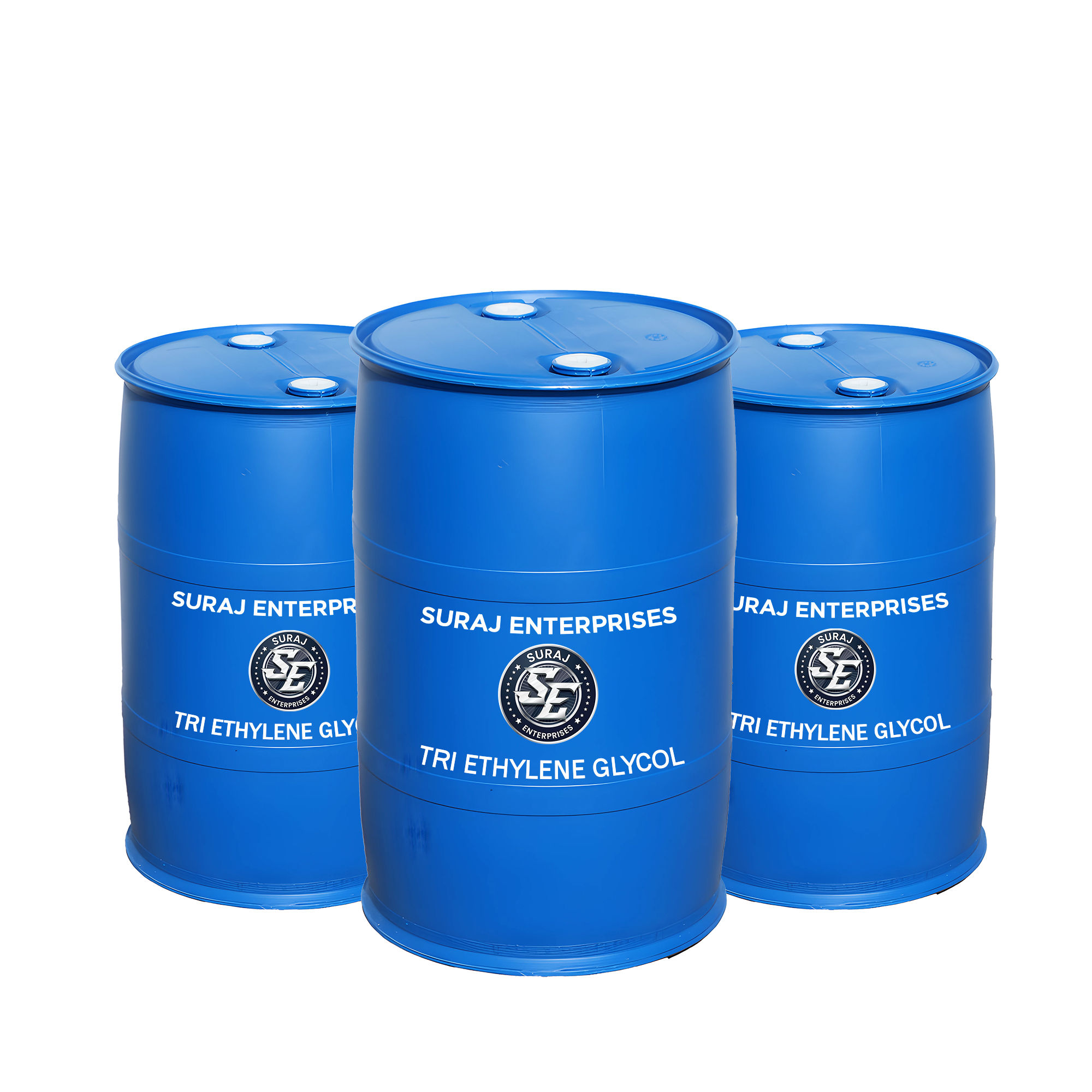
Triethylene Glycol is a clear, colorless liquid organic compound commonly used as a solvent, humectant, and chemical intermediate in various industrial processes. It is primarily employed in the production of polyester resins, plasticizers, and hydraulic fluids. Triethylene Glycol serves as a solvent in the formulation of inks, dyes, and coatings due to its high solvency power and low volatility. It is also utilized as a humectant in the manufacturing of cosmetics, personal care products, and tobacco products to prevent drying and maintain moisture content. Additionally, Triethylene Glycol finds application as a coolant and antifreeze in HVAC systems, as a dehydrating agent in natural gas processing, and as a solvent and intermediate in organic synthesis. Its miscibility with water and organic solvents, along with its relatively low toxicity, make it a versatile chemical in various industrial applications. However, it should be handled with care due to its potential health hazards. Proper ventilation and personal protective equipment are necessary when working with Triethylene GlycolKey Features and ApplicationsTriethylene Glycol is valued for its high purity (99% min), compatibility with most glycols and organic solvents, and its broad utility in chemical synthesis. Its primary uses include air disinfection, serving as a humectant and plasticizer, and acting as a lubricant in textile industries. Its stable nature and bland odor make it an ideal choice for industrial processes.
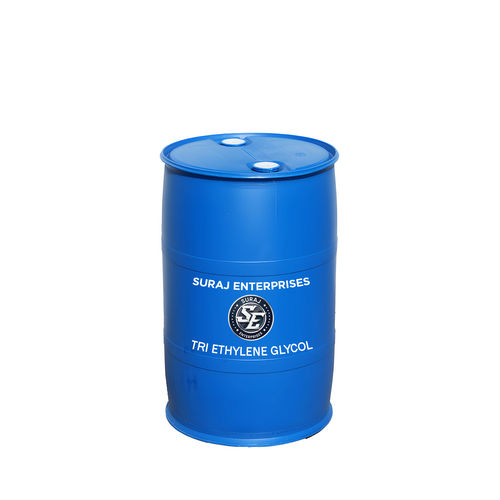
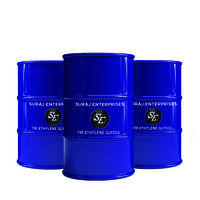
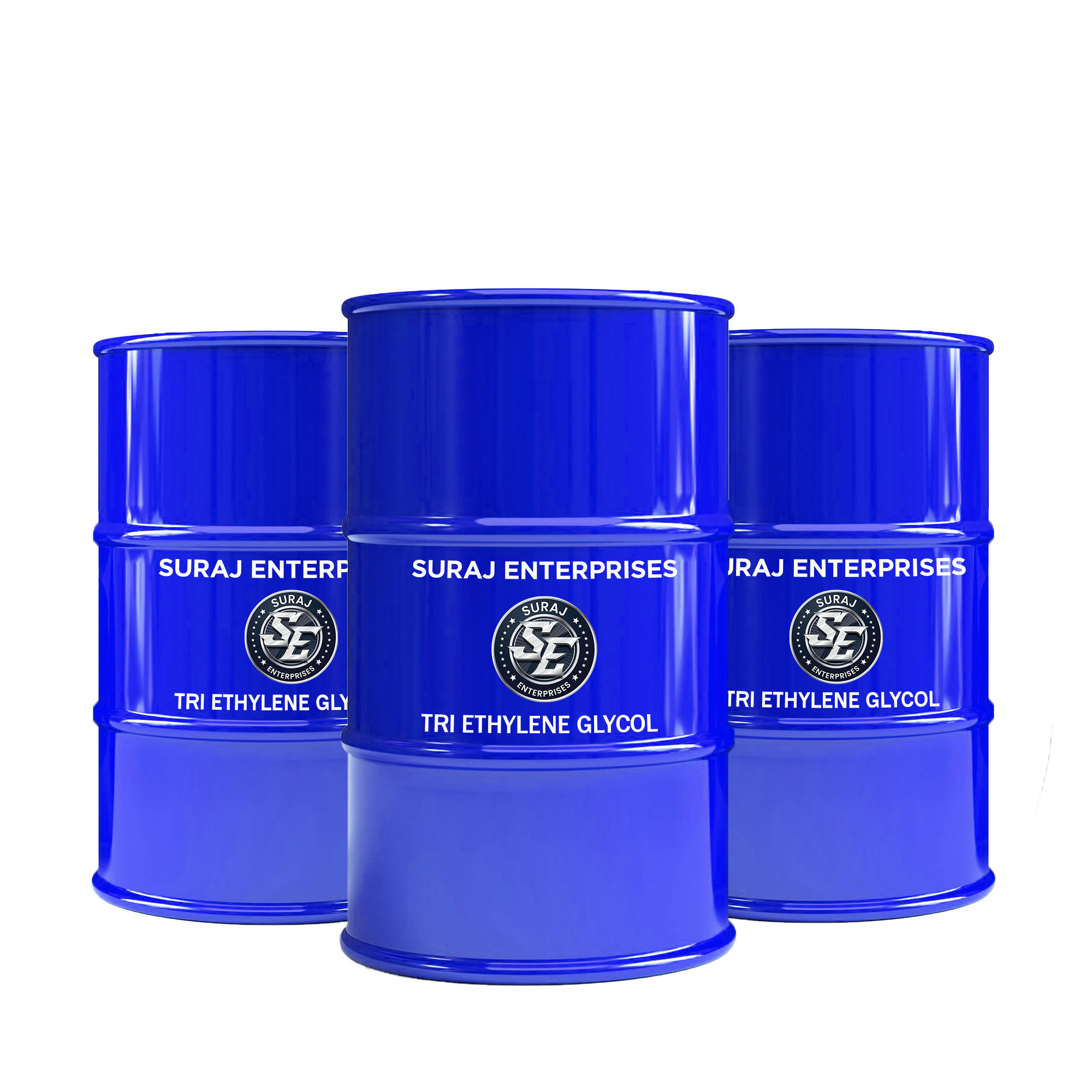
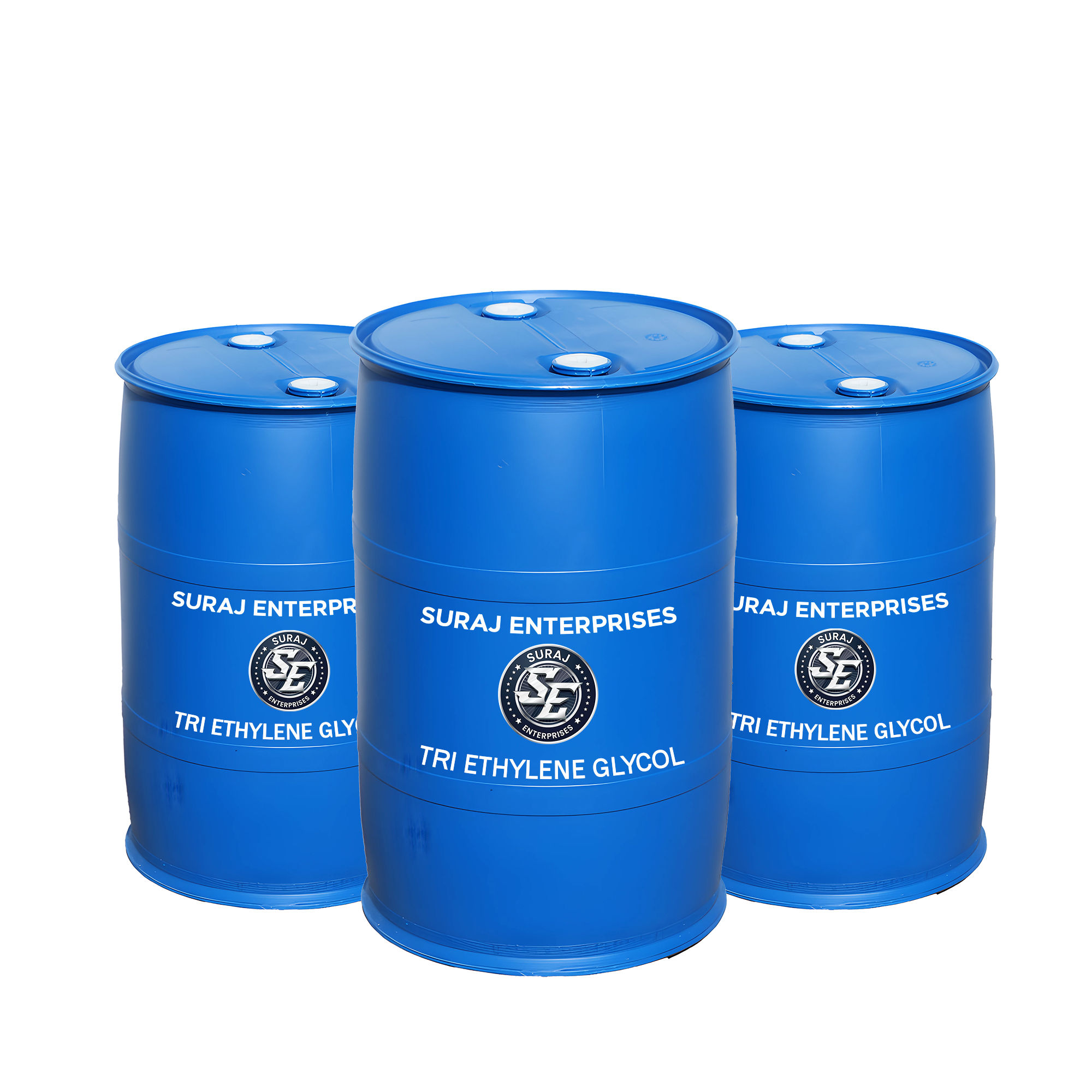
Safe Handling and StorageThis glycol should be handled with proper protective equipment, avoiding direct contact and inhalation. For best results, store in a cool, dry, and well-ventilated place in tightly sealed drums or IBC containers. Triethylene Glycol has a shelf life of up to 24 months when stored correctly, ensuring consistent quality and performance throughout its use.
FAQs of TRI ETHYLENE GLYCOL:
Q: How should Triethylene Glycol be stored to maintain its quality?
A: Store Triethylene Glycol in tightly sealed drums or IBC containers in a cool, dry, and well-ventilated area. Keeping it away from heat and direct sunlight preserves its shelf life and prevents decomposition.
Q: What are the main industrial applications of Triethylene Glycol?
A: Triethylene Glycol is mainly used as a humectant, plasticizer, solvent, dehydrating agent, and as a raw material in the production of plasticizers and resins. It also serves as an air disinfectant and lubricant in textile industries.
Q: When should protective equipment be used with Triethylene Glycol?
A: Always use appropriate protective equipment such as gloves and goggles when handling Triethylene Glycol to avoid skin and eye contact, and inhalation of vapors, despite its low toxicity.
Q: Where can Triethylene Glycol be applied in industrial processes?
A: It can be applied in chemical synthesis, plastic manufacturing, as an air disinfectant, and as a textile lubricant. Its compatibility with various solvents allows for flexible integration into different industrial operations.
Q: What benefits does Triethylene Glycol offer in manufacturing?
A: Triethylene Glycol provides excellent solvency, hygroscopic properties, chemical stability, and a neutral pH, making it highly beneficial for processes that require moisture control, plasticization, and reliable, safe handling.
Q: Is Triethylene Glycol safe for the environment?
A: It exhibits low toxicity to aquatic life, though it is not readily biodegradable. Proper industrial handling minimizes its environmental impact.








 Send Inquiry
 Send Inquiry
 Send SMS


 English
 Spanish
 French
 German
 Italian
 Chinese (Simplified)
 Japanese
 Korean
 Arabic
 Portuguese