उत्पादों को खोजना
DI OCTYL PHTHALATE DI OCTYL PHTHALATE DI OCTYL PHTHALATE DI OCTYL PHTHALATE DI OCTYL PHTHALATE DI OCTYL PHTHALATE DI OCTYL PHTHALATE DI OCTYL PHTHALATE DI OCTYL PHTHALATE
DI OCTYL PHTHALATE
DI OCTYL PHTHALATE DI OCTYL PHTHALATE DI OCTYL PHTHALATE DI OCTYL PHTHALATE DI OCTYL PHTHALATE DI OCTYL PHTHALATE DI OCTYL PHTHALATE DI OCTYL PHTHALATE

डि ऑक्टाइल फ़ेथलेट

उत्पाद विवरण:

X

डि ऑक्टाइल फ़ेथलेट उत्पाद की विशेषताएं

  • -50°C
  • C24H38O4
  • Insoluble in water, soluble in organic solvents
  • C6H4(COOC8H17)2
  • Plasticizer
  • 29173200
  • ISO/ASTM
  • Yes
  • 1.485
  • 204-214-7
  • 117-81-7
  • 99% min
  • Di Octyl Phthalate
  • Industrial Chemical
  • 390.56
  • Di Octyl Phthalate (DOP)
  • ग्राम प्रति घन सेंटीमीटर (g/cm3)
  • DOP
  • 385°C
  • Approx. 6.5-7.5

उत्पाद वर्णन

Di-n-octyl phthalate (DOP) is a clear, colorless liquid organic compound classified as a phthalate ester. It is widely used as a plasticizer in the production of polyvinyl chloride (PVC) plastics to impart flexibility, durability, and resilience. DOP is commonly found in various consumer products, including vinyl flooring, wall coverings, medical devices, toys, and food packaging materials. Additionally, it is utilized as a solvent in cosmetic formulations, such as nail polish and fragrances, and as a lubricant in personal care products. DOP's ability to soften and enhance the properties of PVC makes it indispensable in numerous applications, particularly in the construction, automotive, and medical industries. However, concerns have been raised about its potential adverse health effects, including endocrine disruption and reproductive toxicity. Regulatory restrictions and alternative plasticizers have been introduced in some regions to mitigate these concerns. Proper handling and disposal practices are necessary to minimize environmental and health risks associated with DOP

High-Performance Plasticizer

Di Octyl Phthalate is recognized in the chemical industry for its unmatched plasticizing efficiency and compatibility, especially with PVC. Its clear, viscous form and purity of no less than 99% make it optimal for producing flexible and durable plastic goods, supporting seamless manufacturing across flooring, synthetic leather, and cable insulation.


Optimal Safety and Storage

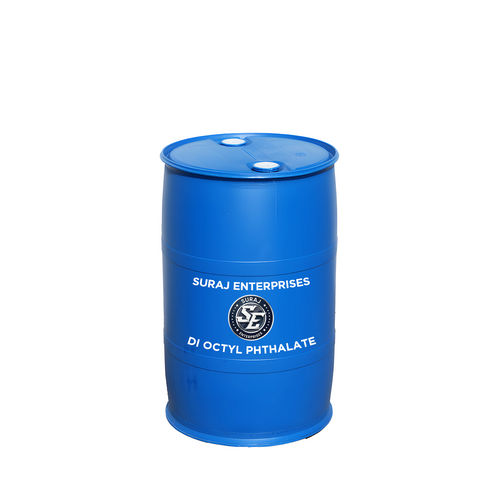
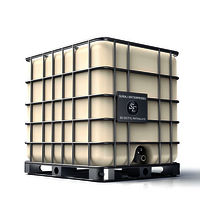
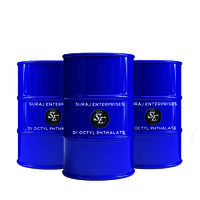
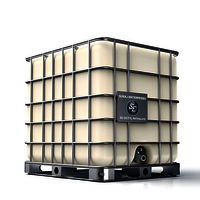
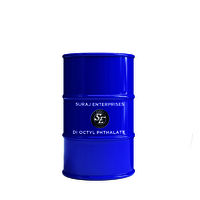
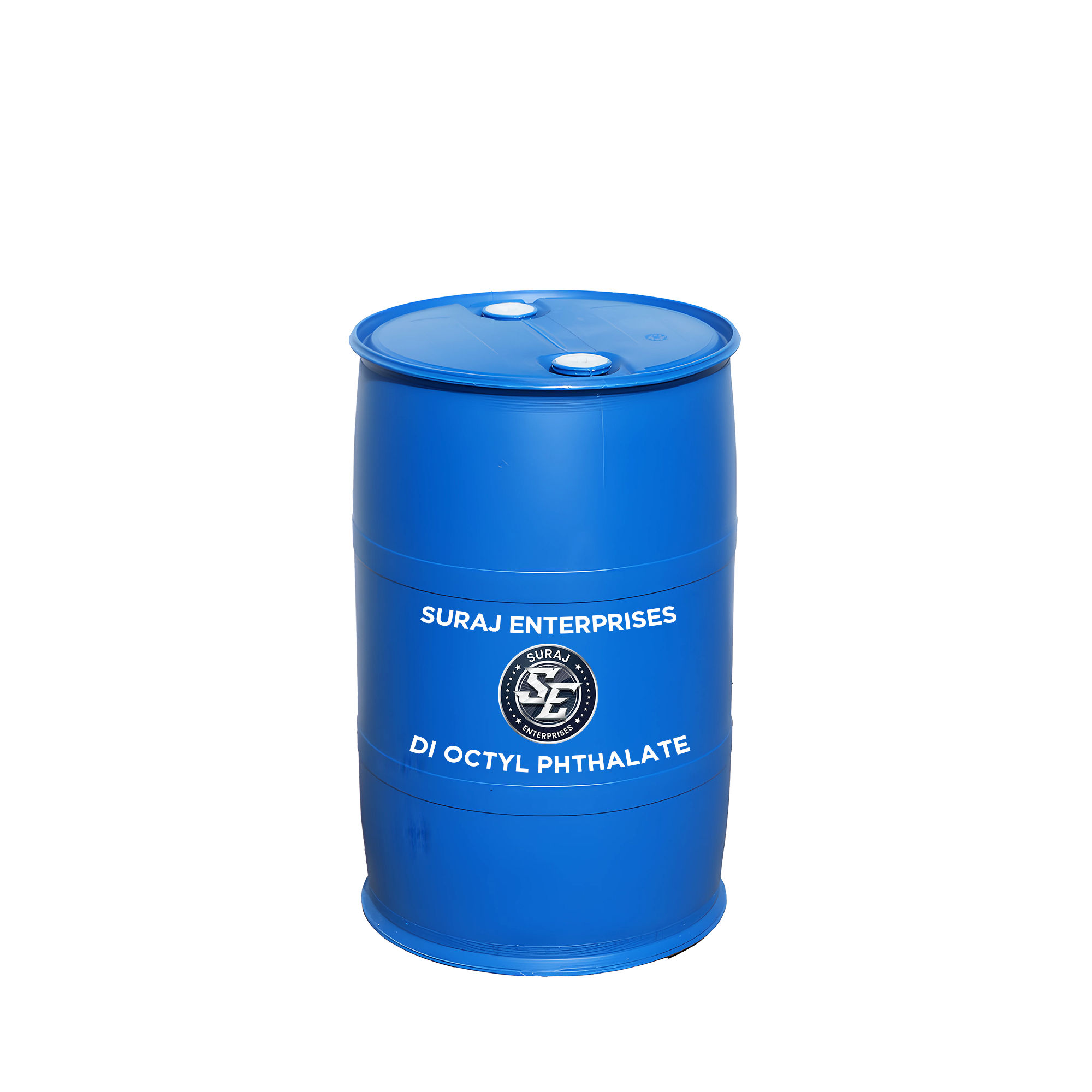
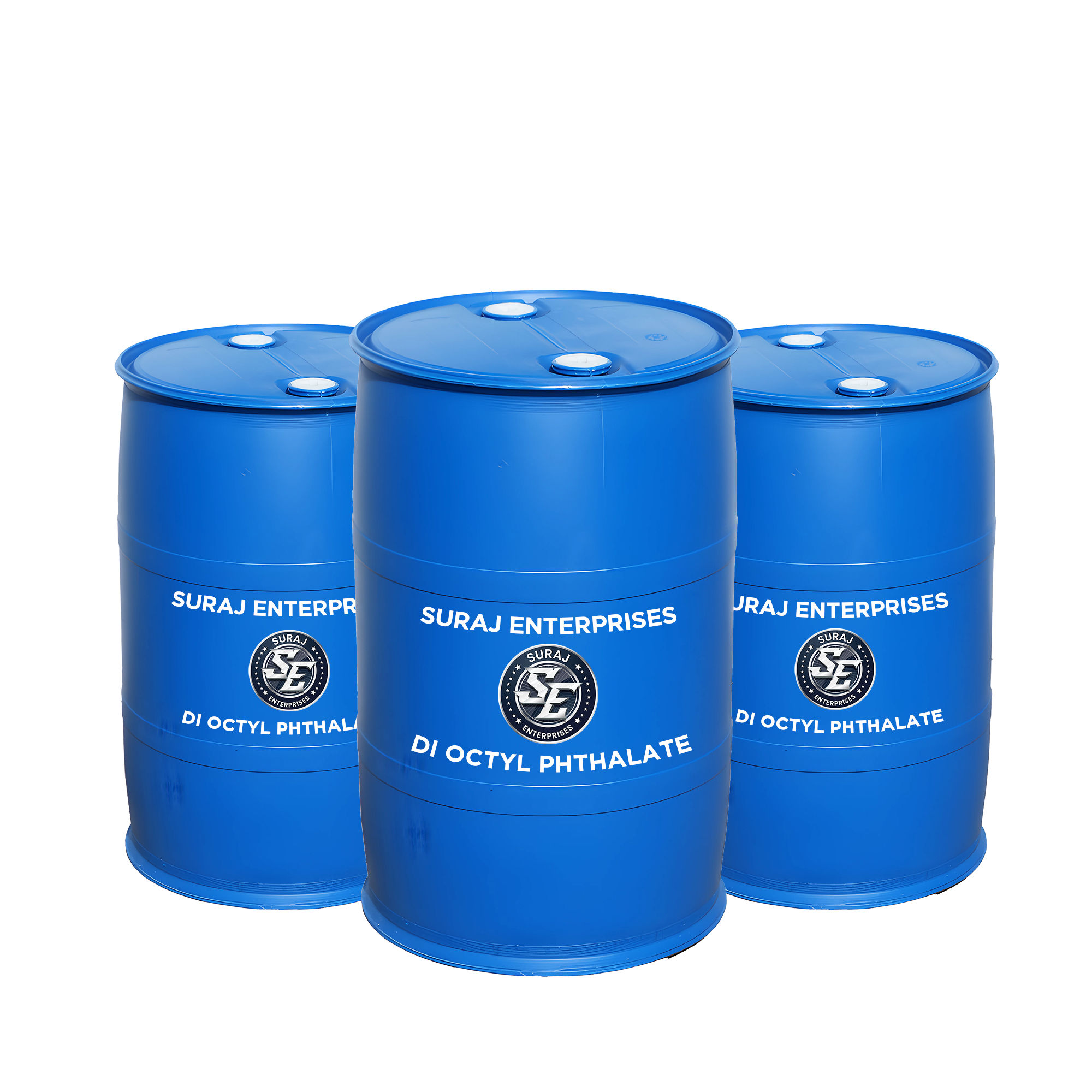
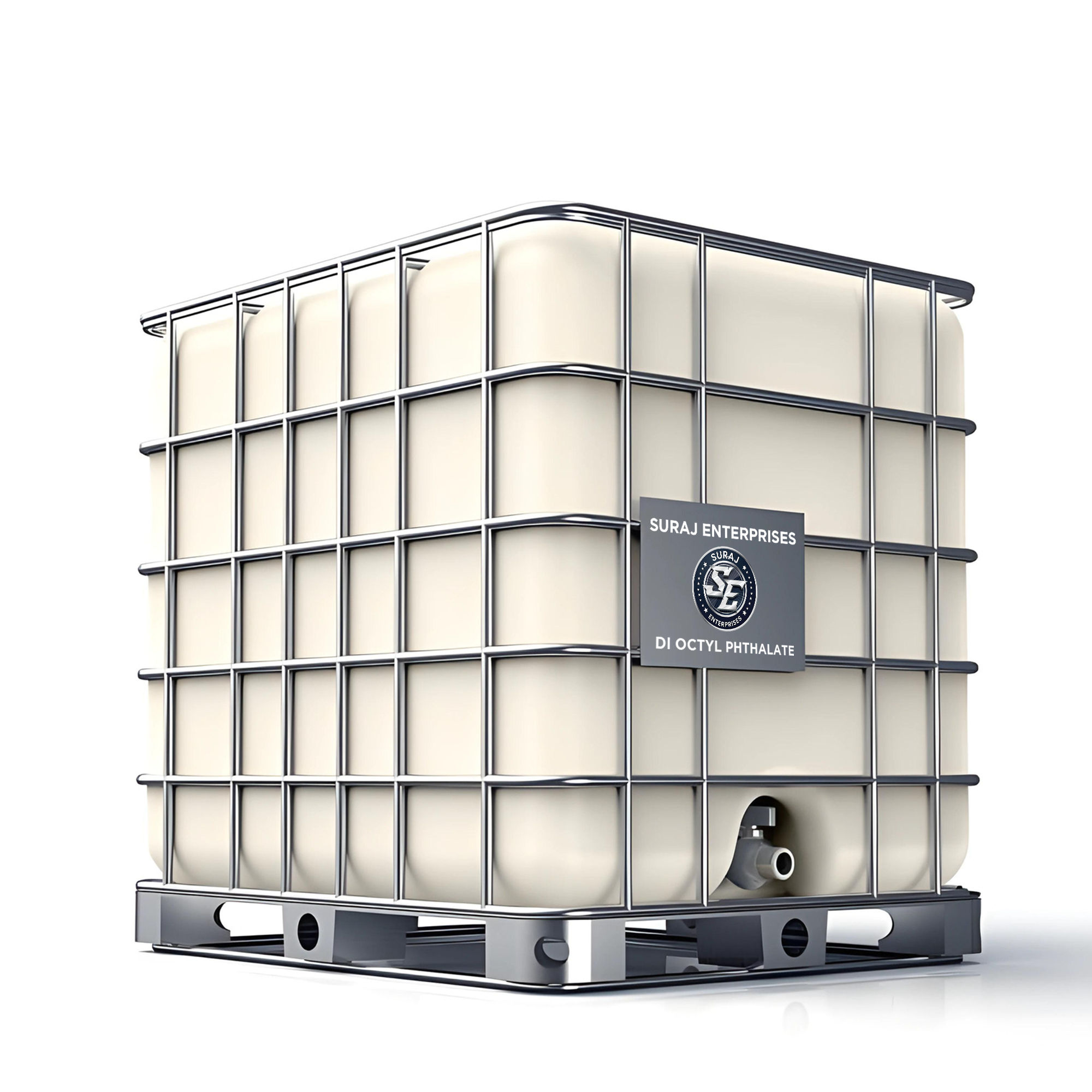
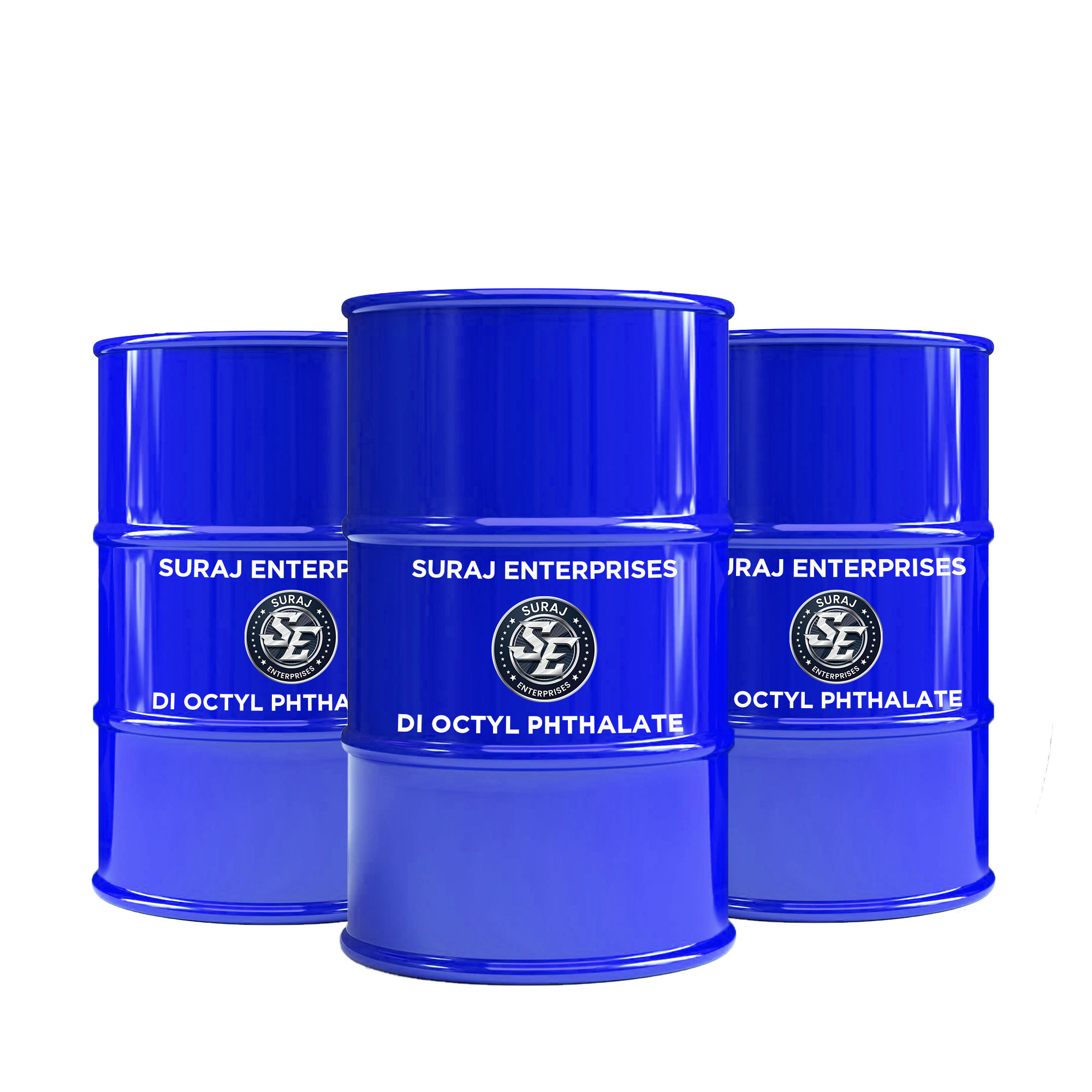
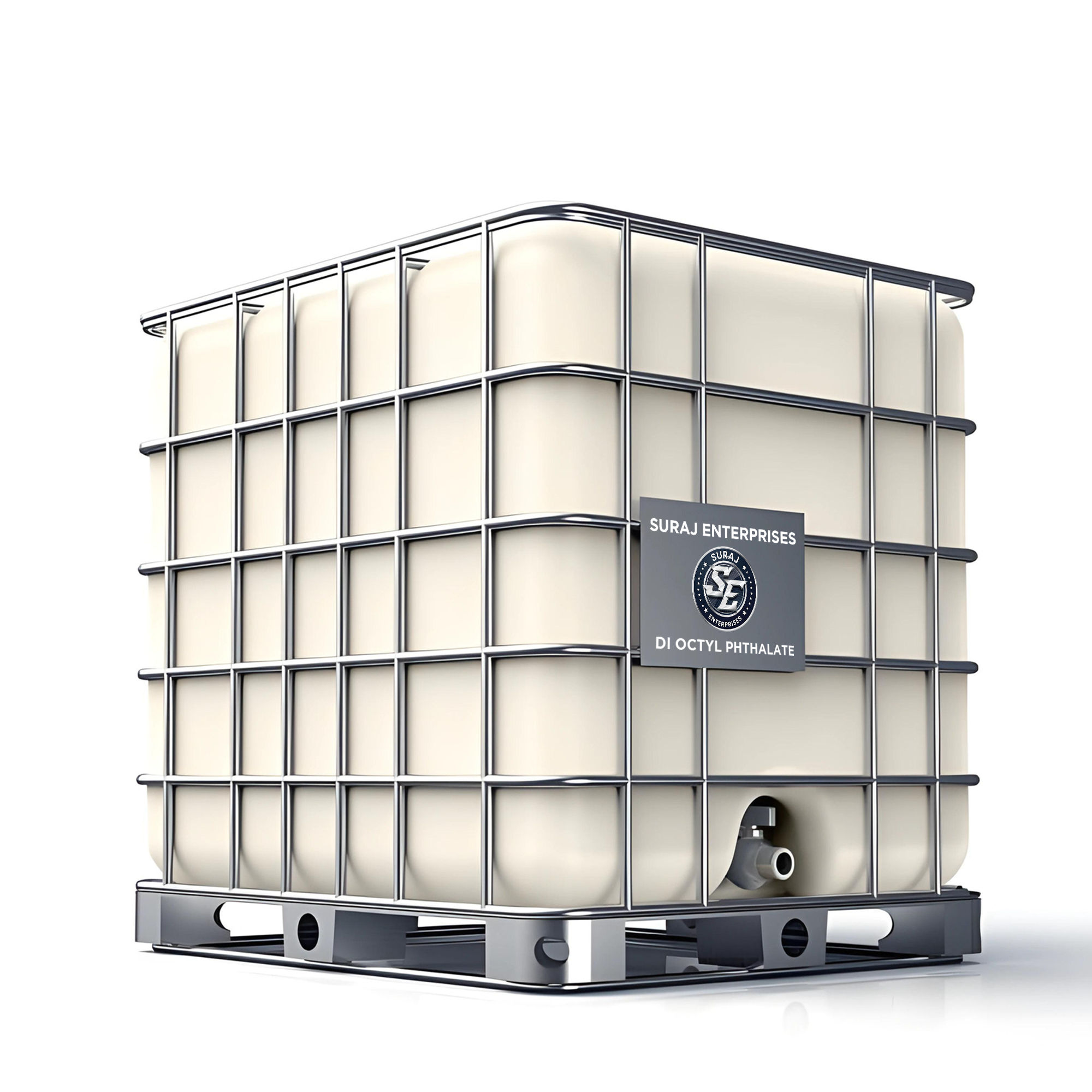
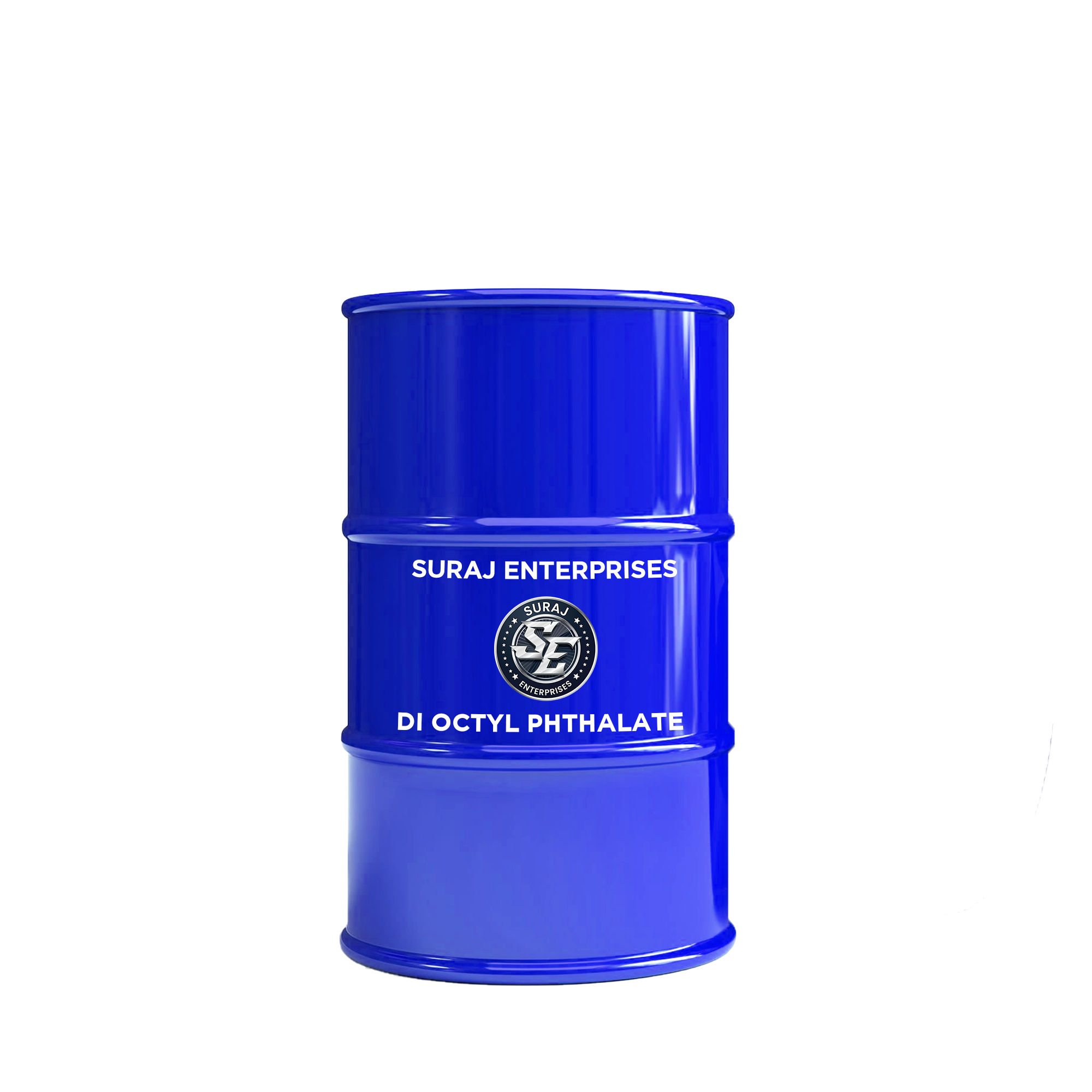
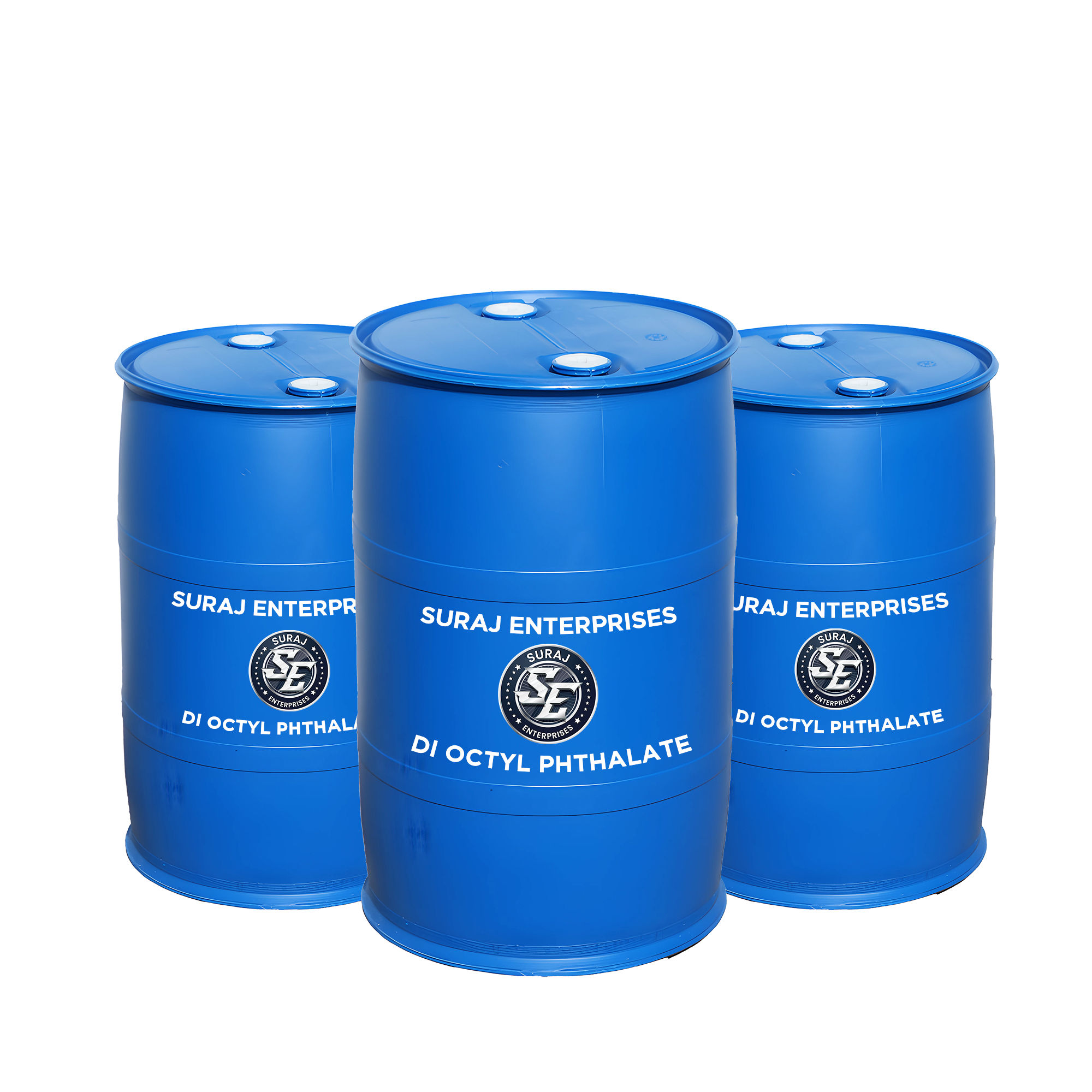
DOP is stable under appropriate storage-cool, dry, and well-ventilated areas away from direct sunlight. Non-poisonous and with virtually undetectable odor, it maintains safety in industrial environments. Packaged in sturdy 200 kg drums or IBC tanks, it meets ISO/ASTM standards for industrial chemicals.


Industrial Versatility and Application

With its high compatibility with most polymer resins and solubility in organic solvents, Di Octyl Phthalate enhances flexibility, durability, and workability in finished PVC products. Its excellent physical and chemical properties suit a variety of sectors, surpassing the requirements for many industrial plasticization applications.

FAQ's of DI OCTYL PHTHALATE:


Q: How is Di Octyl Phthalate (DOP) typically used in industry?

A: DOP is primarily utilized as a plasticizer, especially in the manufacture of flexible PVC products such as cable insulation, synthetic leather, flooring, and films. It improves flexibility, durability, and workability of these polymer-based products.

Q: What are the recommended storage conditions for Di Octyl Phthalate?

A: DOP should be stored in a cool, dry, and well-ventilated area, away from direct sunlight, to maintain its stability and quality. It is typically supplied in sealed 200 kg drums or IBC tanks to protect against moisture and contamination.

Q: When does Di Octyl Phthalate begin to decompose thermally?

A: Thermal decomposition of DOP starts at temperatures above 200C. It is important not to expose the material to such high temperatures during processing or storage to preserve its performance and integrity.

Q: Where can Di Octyl Phthalate be applied apart from PVC manufacturing?

A: Aside from PVC, DOP is compatible with most polymer resins and finds use in producing synthetic leather, adhesives, coatings, and flexible plastics-making it a versatile plasticizer in various industrial sectors.

Q: What are the main benefits of using Di Octyl Phthalate as a plasticizer?

A: Using DOP enhances the flexibility, elongation, and durability of plastics. Its high compatibility and stability also ensure an optimal processing experience, resulting in high-quality, long-lasting finished products.

Q: How is Di Octyl Phthalate transported and supplied?

A: DOP is generally supplied in robust 200 kg drums or intermediate bulk containers (IBC tanks) for efficient handling and storage, adhering to international standards for chemical packaging.

Tell us about your requirement
product

Price:  

Quantity
Select Unit

  • 50
  • 100
  • 200
  • 250
  • 500
  • 1000+
Additional detail
मोबाइल number

Email


Back to top