Product Description
Glycerine, also known as glycerol or glycerin, is a colorless, odorless, and viscous liquid with a sweet taste. It is a trihydroxy sugar alcohol with the chemical formula CH O. Glycerine is widely used in various industries due to its versatile properties. It acts as a humectant, attracting and retaining moisture, making it valuable in skincare products, pharmaceuticals, and food additives. Glycerine is also used in the production of cosmetics, lubricants, and explosives. Additionally, it serves as a solvent and sweetening agent in numerous applications. Glycerine is generally recognized as safe (GRAS) for consumption by regulatory authorities when used in accordance with regulations. However, caution should be exercised in handling concentrated forms, and proper storage conditions should be maintained to prevent degradationApplications Across Multiple IndustriesGlycerine liquid plays a vital role in various fields, from pharmaceuticals and cosmetics to the food industry and tobacco processing. Its numerous functional properties-including humectancy, emulsification, sweetening, and solvency-make it indispensable for products like cough syrups, creams, food preservatives, and antifreeze formulations. Its global reach illustrates its versatility and demand.
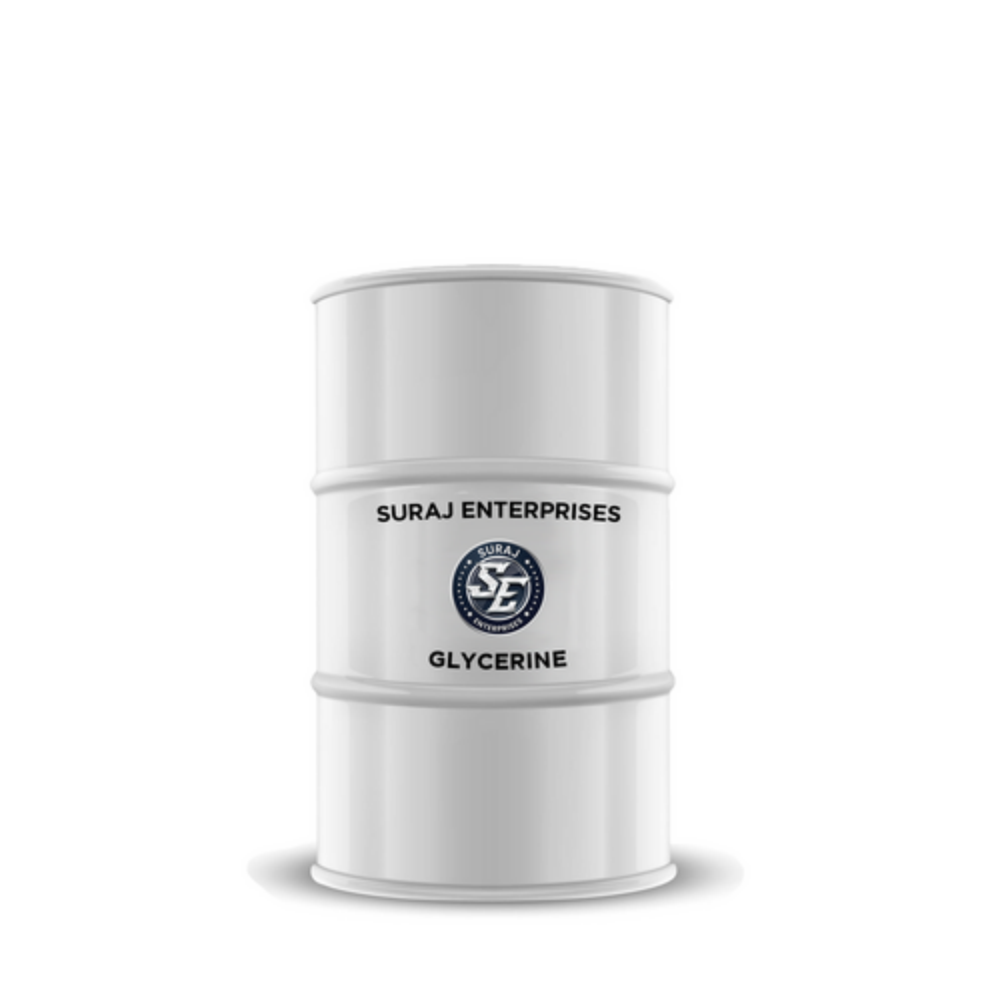
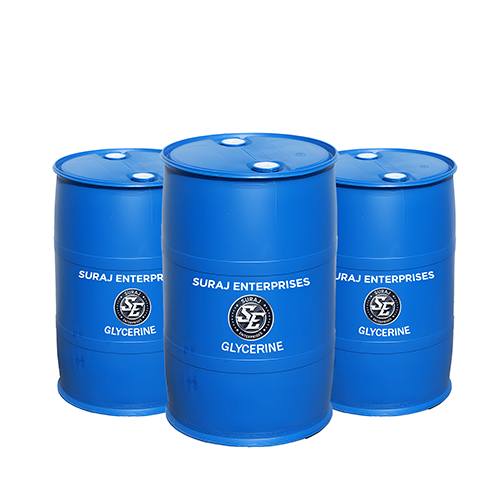
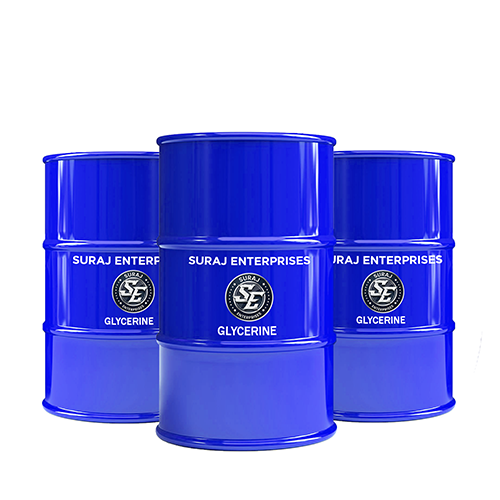
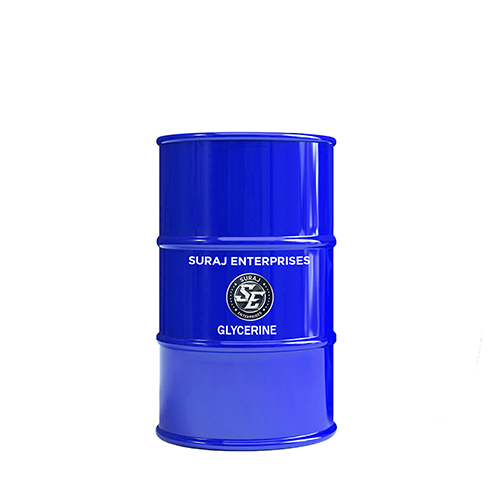
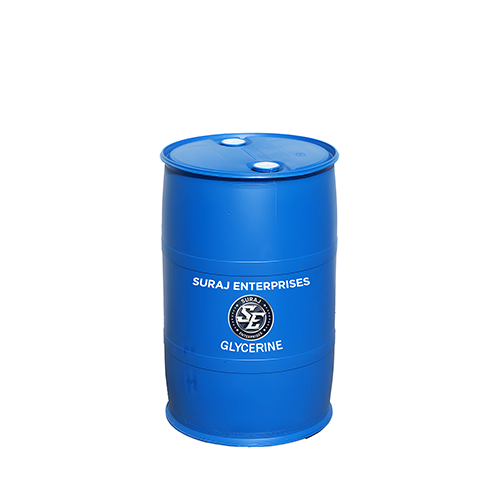
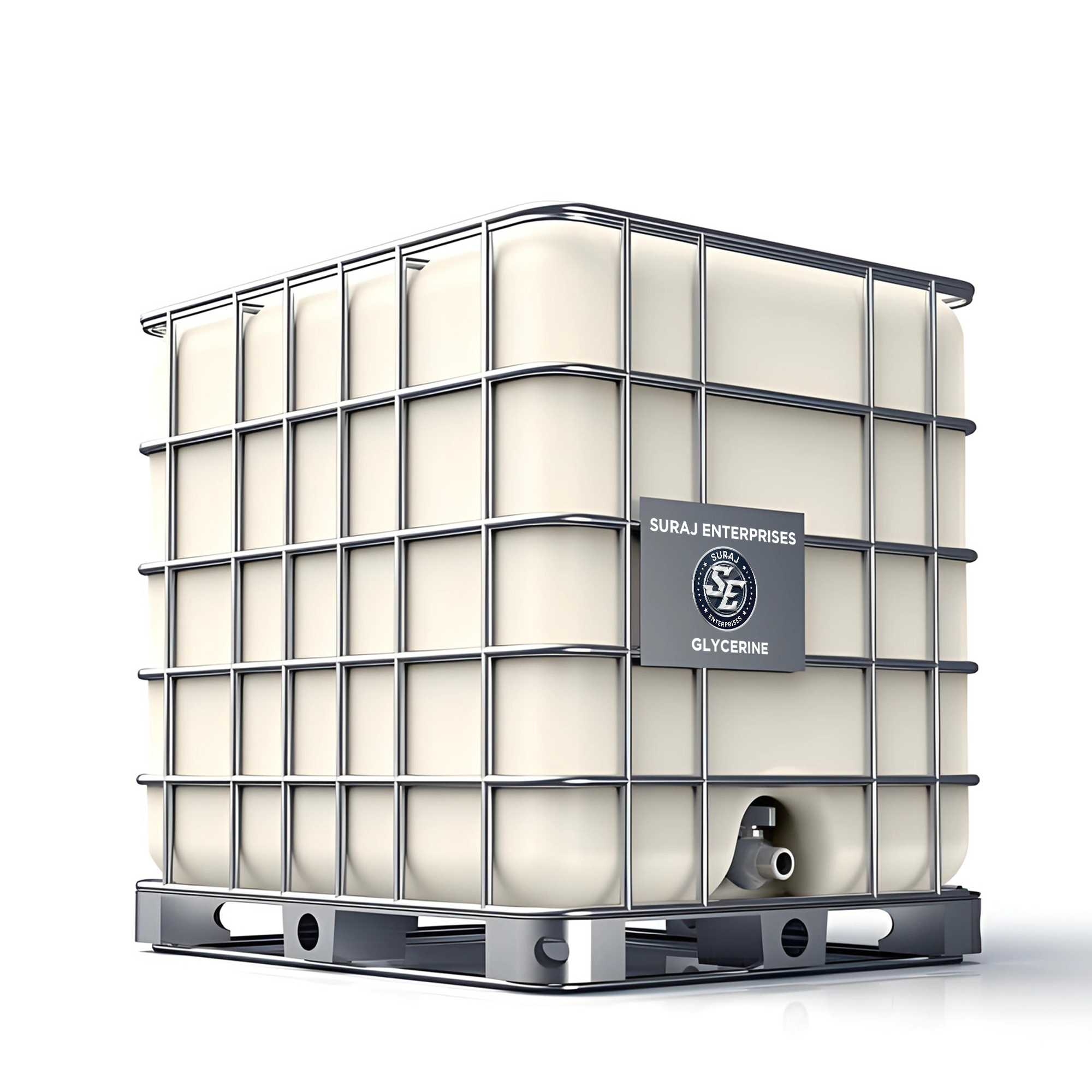
Storage and Packaging OptionsTo maintain optimal quality and a two-year shelf life, glycerine should be stored in cool, dry, well-ventilated areas with containers tightly sealed. The product is available in diverse packaging sizes: 250ml, 500ml, 1L, 5L, 25L, and 200L drums, catering to consumer needs from laboratories to large-scale industrial applications.
Outstanding Physical and Chemical QualitiesCharacterized by its clear, colorless appearance and high viscosity (1100 mPas at 20C), glycerine demonstrates remarkable stability and compatibility in formulations. It is non-toxic, odorless, and features a sweet taste, making it ideal for sensitive applications such as pharmaceutical and food-grade products.
FAQ's of Glycerine liquid:
Q: How should glycerine liquid be stored to preserve its quality?
A: Glycerine liquid should be stored in a cool, dry, and well-ventilated area. Ensure containers are tightly sealed to prevent contamination and moisture ingress, helping maintain its two-year shelf life.
Q: What are the primary benefits of using glycerine in formulations?
A: Glycerine acts as an effective humectant, emulsifier, solvent, sweetener, and plasticizer. These properties help retain moisture, blend ingredients, enhance texture, and improve product stability in pharmaceuticals, cosmetics, food, and industrial formulations.
Q: When is glycerine typically used during the manufacturing process?
A: Glycerine is usually incorporated during the blending or mixing stages, allowing it to dissolve uniformly with other components and perform its functions as a solvent, humectant, or sweetener in the final product.
Q: Where can glycerine liquid be applied in industry?
A: Glycerine is utilized in a variety of sectors globally, including pharmaceuticals, cosmetics, food and beverage processing, tobacco, antifreeze manufacturing, and plastics as a plasticizer.
Q: What makes this glycerine suitable for pharmaceutical and food use?
A: This glycerine meets strict USP, BP, and EP standards and maintains a purity of at least 99.5%. It is non-poisonous, odorless, and has a sweet taste, ensuring safety and compatibility for pharmaceutical and food-grade applications.
Q: How does glycerine improve product quality in cosmetics and personal care?
A: In cosmetics, glycerine functions as a powerful moisturizing agent and emulsifier, helping to keep skin hydrated, improve texture, and enhance shelf life by protecting products from drying out.








 Send Inquiry
 Send Inquiry
 Send SMS


 English
 Spanish
 French
 German
 Italian
 Chinese (Simplified)
 Japanese
 Korean
 Arabic
 Portuguese